
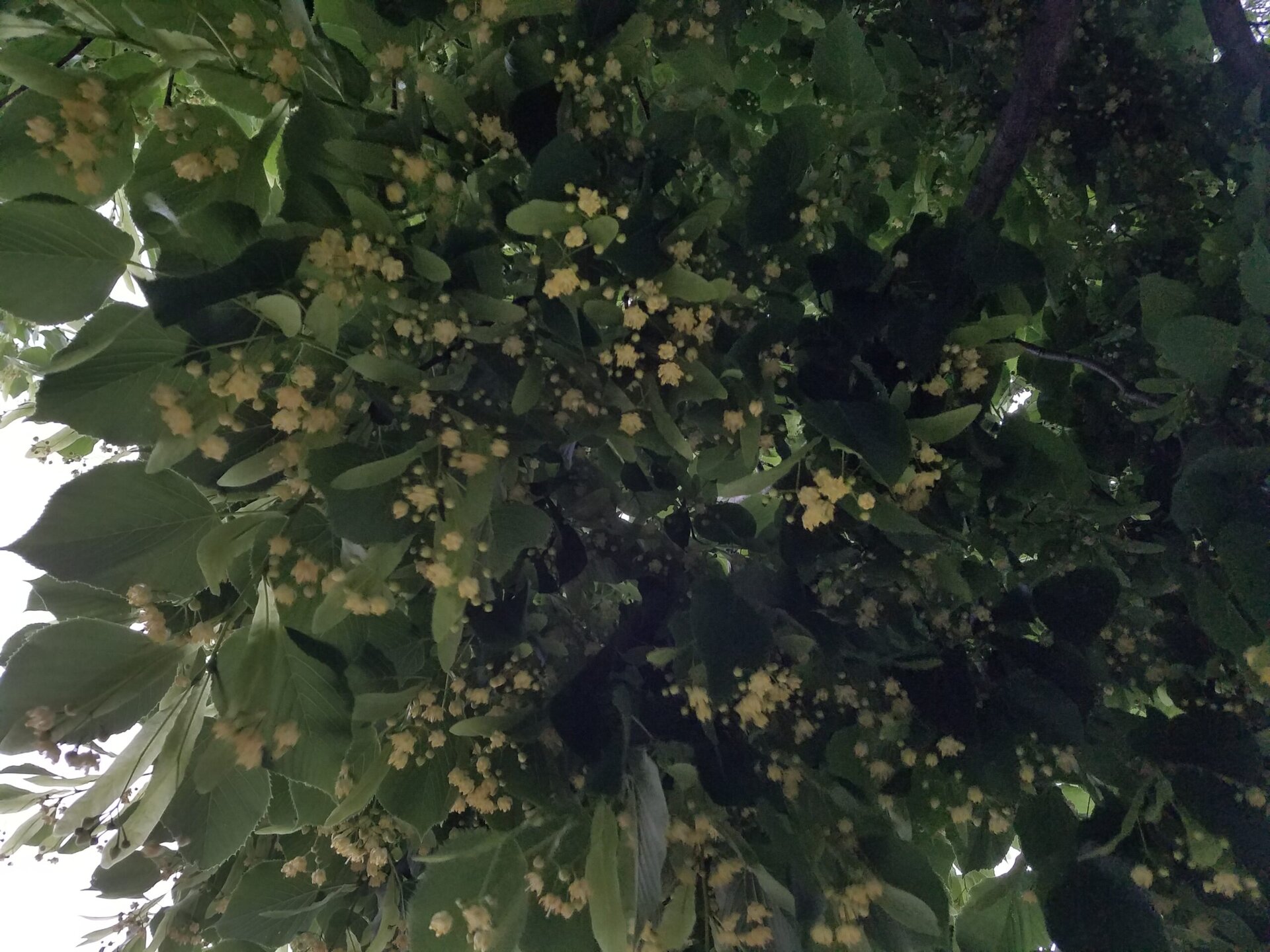
Weighted down with the heavily perfumed blooms of early Summer, the Linden’s boughs, like a Southern Belle’s hoop skirt, seemed in full curtsy. She was decadent and lavish, but it wasn’t long before she began to slump and shed her regalia in an effort to conserve her beauty and vigor.
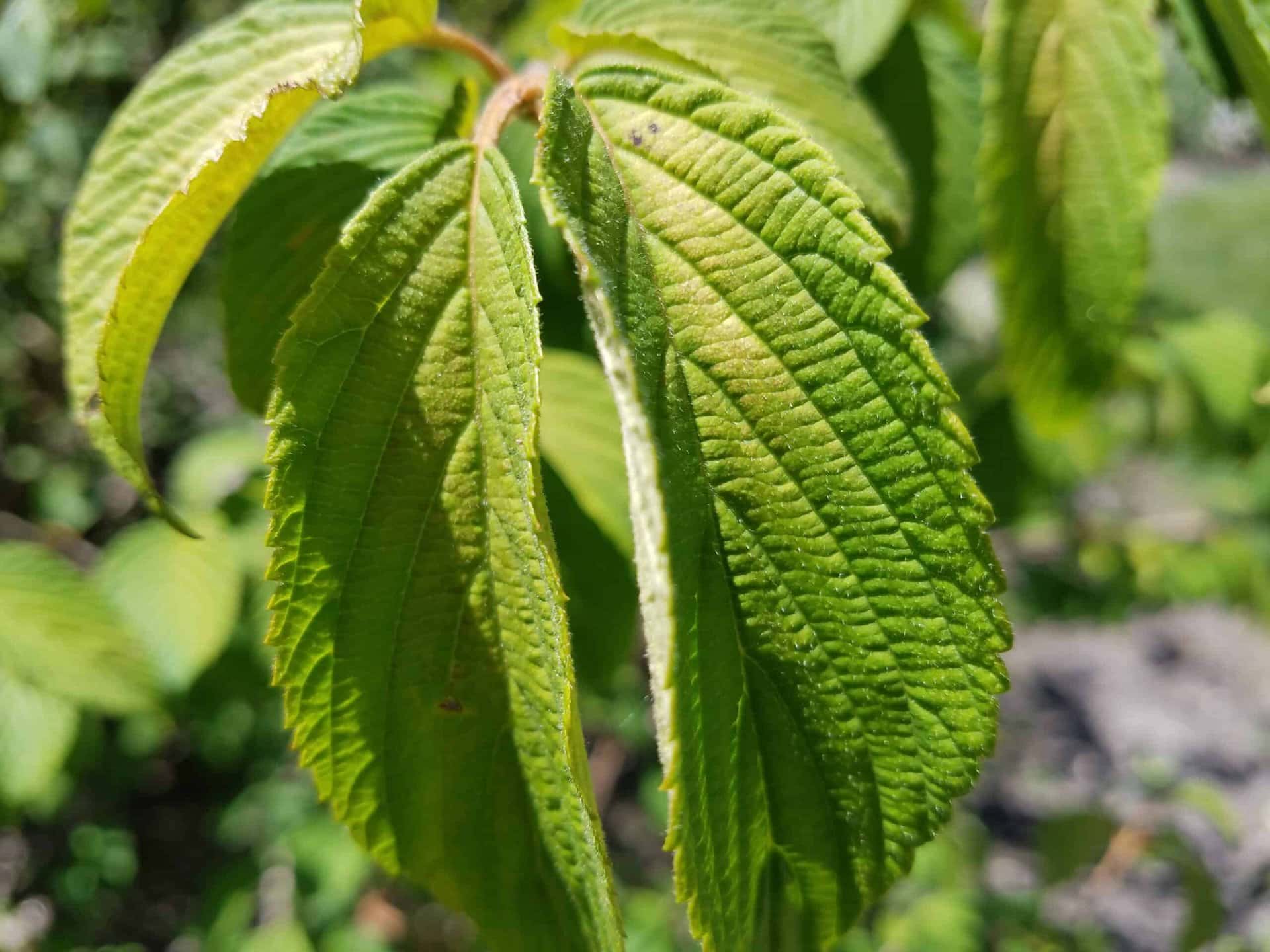
Heat stress is a real thing and can adversely affect our plants. When temperatures start to top 85 degrees, plants will begin to wilt and curl their leaves in an attempt to protect themselves and conserve water. Plants, much like humans, dispel moisture into the air in a process called transpiration. When transpiration outpaces the plants’ ability to supply water through its roots, wilting occurs. When hot temperatures persist, leaves may become bleached and even burnt. Some will even drop their flowers or fruits. Trees, especially, will begin to “flag” or drop their leaves.
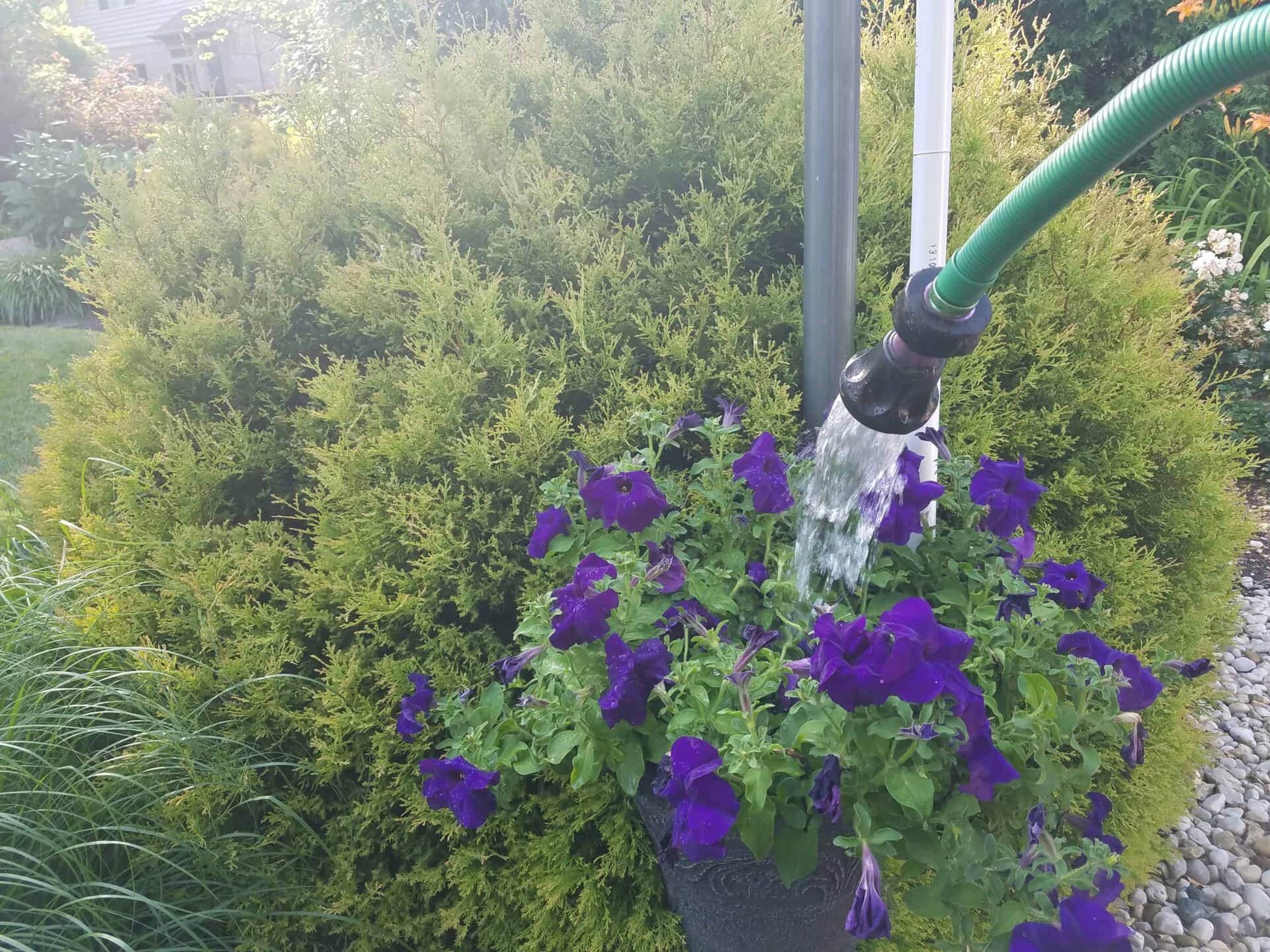
To combat heat stress, supplemental watering may be necessary. Remember to water early in the morning, so less water is lost to evaporation from both heat and wind. Also, watering early allows your plants to face the heat of the day in the best condition possible. Container plants dry out faster and soil temperatures heat up quicker, so watering may need to be done twice daily.
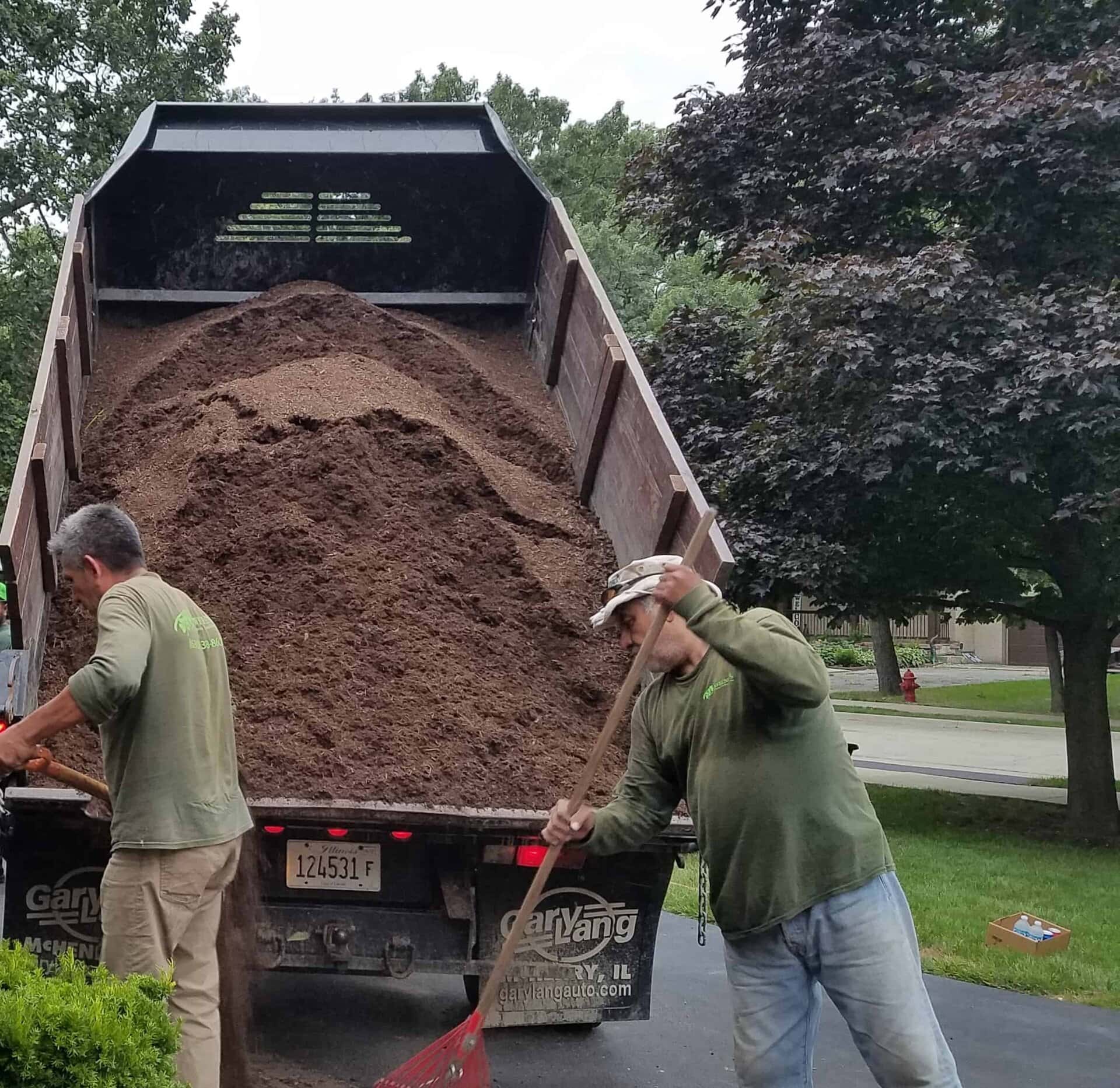
Mulch is also an effective tool as it helps maintain moisture and reduces evaporation. It also helps regulate soil temperatures while keeping weeds at bay, so plants don’t have to compete for water. Mulch is also aesthetically pleasing by giving planting beds and tree rings a neat and tidy look.
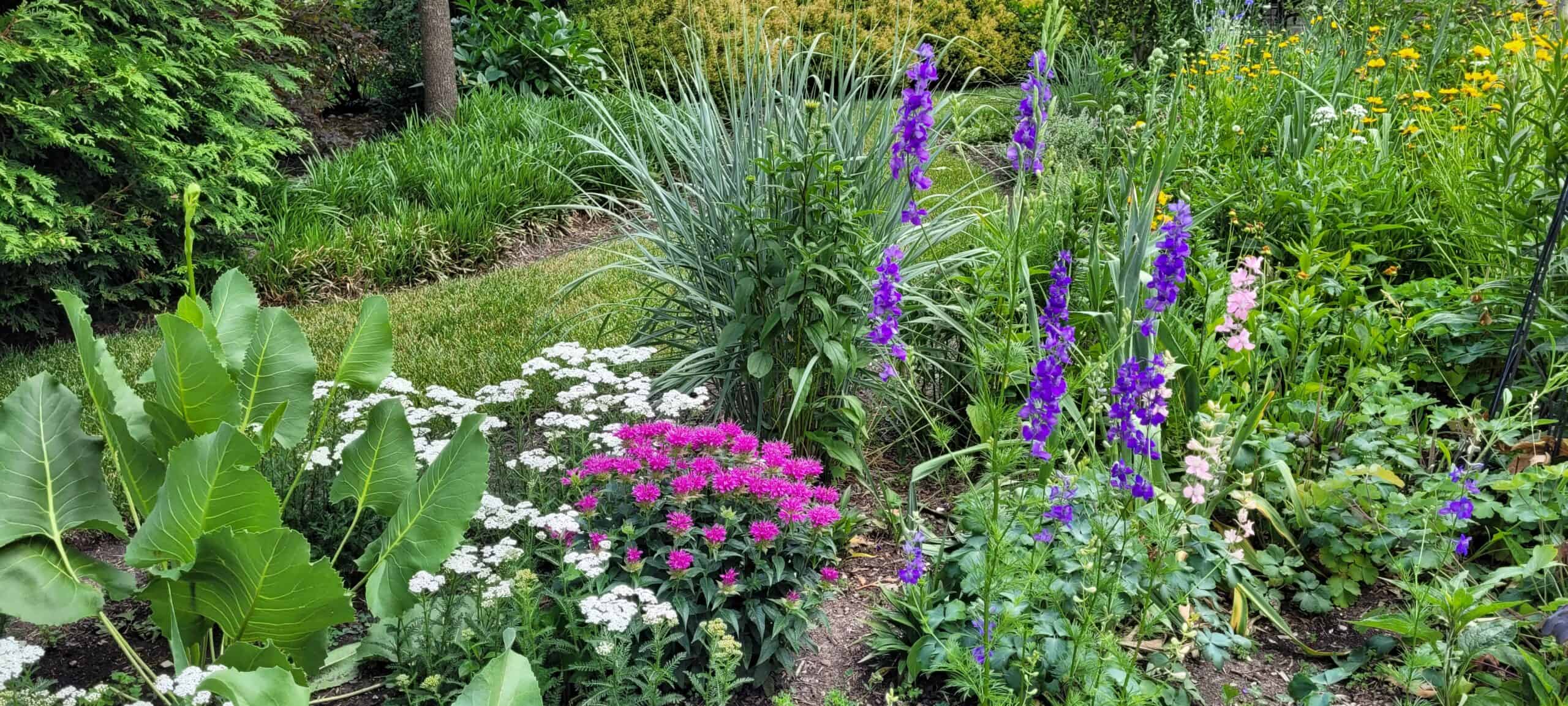
Established plants with stronger root systems can help protect younger or transplanted plants from heat stress by providing some partial shade. Additionally, if planting seeds during times of high, hot temperatures, plant a little deeper than normal. Warm temperatures and direct sunlight can quickly dry out topsoil, so planting deeper can better protect them from dehydration and heat stress.
We are currently behind in precipitation, a drought of sorts, and with added Summer heat, plants and trees should be monitored accordingly. When in doubt, reach out to Sweeney’s! If you haven’t done so already, order and schedule your mulch installation right away before the dog days of Summer arrive! We proudly serve the communities of Villa Park, Elmhurst, Oakbrook, Oakbrook Terrace, Glen Ellyn, Lombard, Wood Dale, Itasca, and more!
Sweeney’s: A Plant Based Company
Plant of the Week
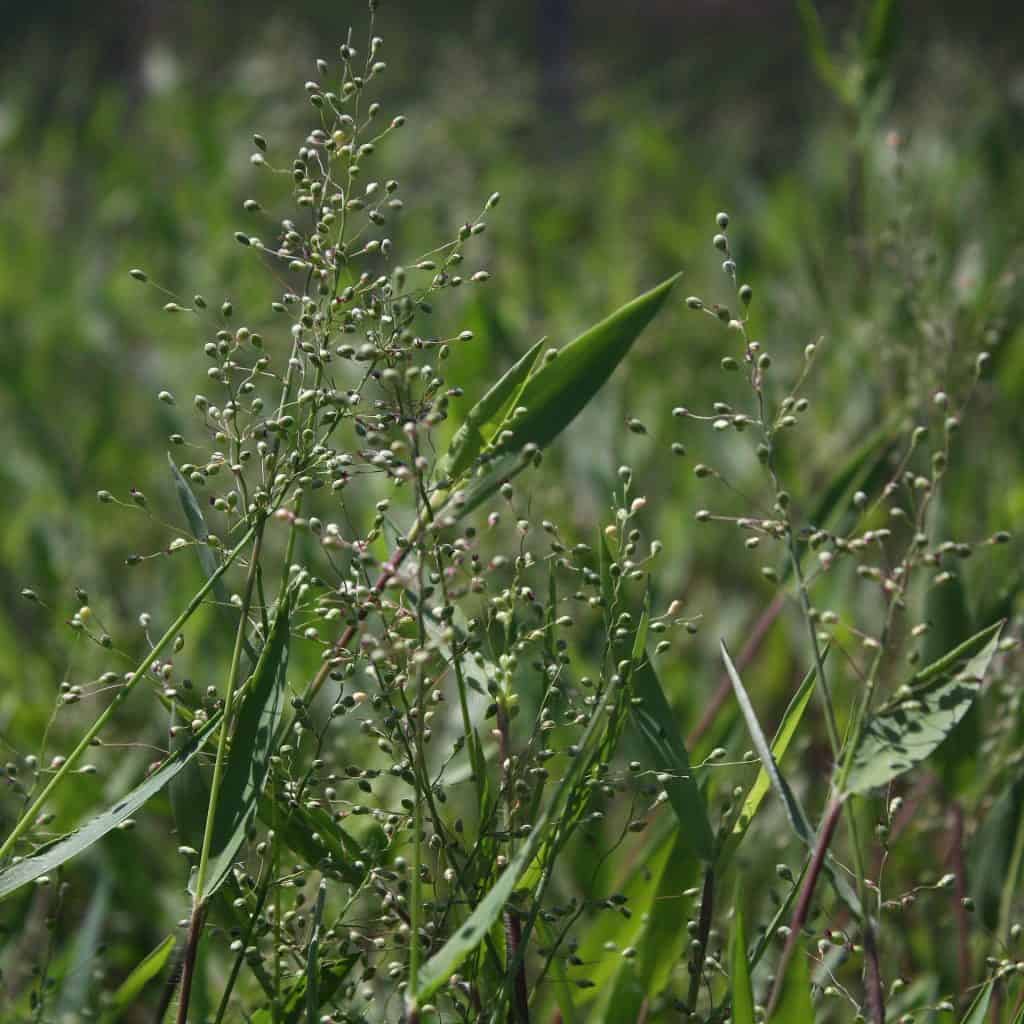
Prairie Panic Grass
Loosely tufted native grass grows in a dense clump while spikes or airy flowers bloom on slender stems June – September. Grows 18-24″ tall and 8-12″ wide. Prefers sun to partial sun and dry soil. Attracts wildlife.
Full-on summer fell like a hammer. By nine in the morning you could already start dreading how hot it was going to be.
~Janet Fitch
Best wishes,
Kim Sweeney