
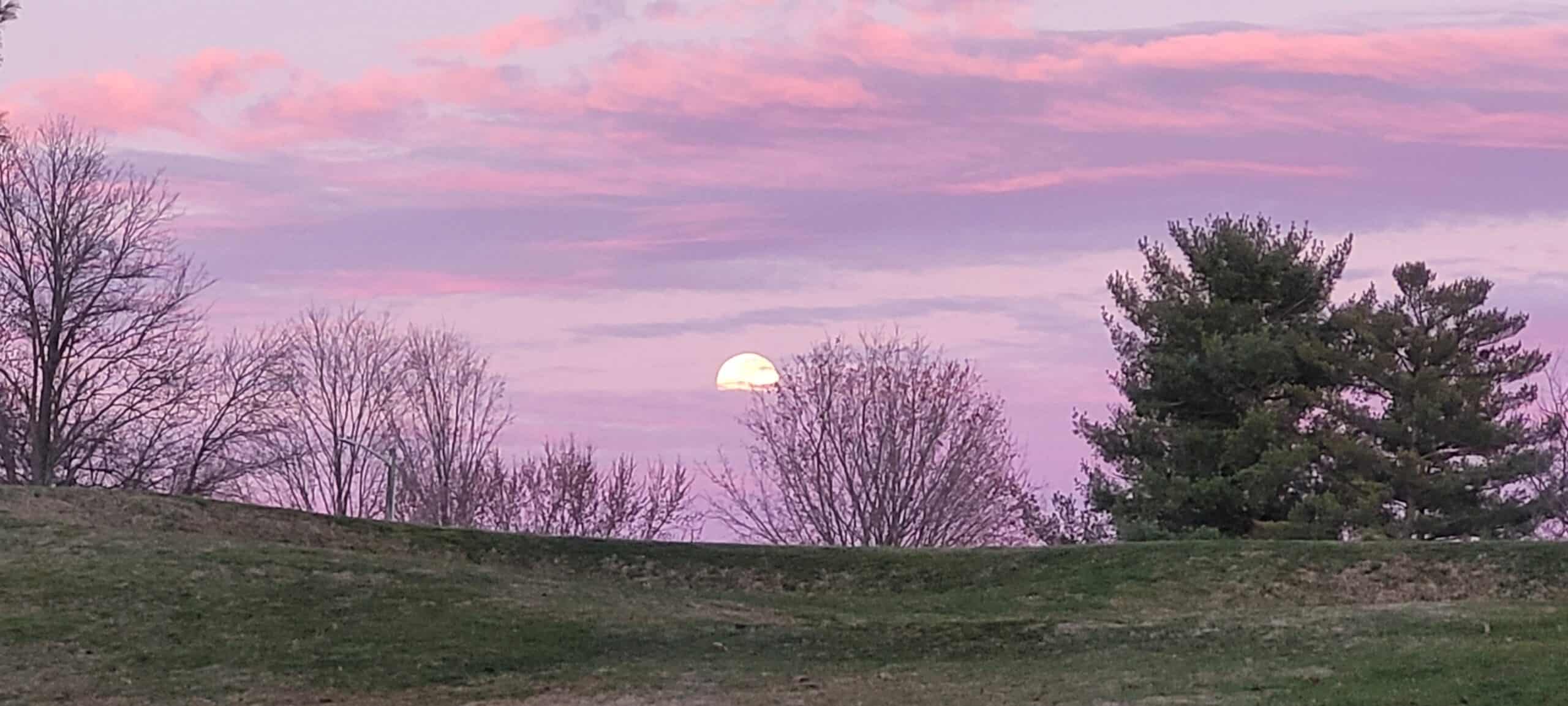
The sun settled into the saddle back of the hill, and tumbled off into the twilight. The shorter Winter days gave way to blushing lavender sunsets, cool and terse. Welcome January.
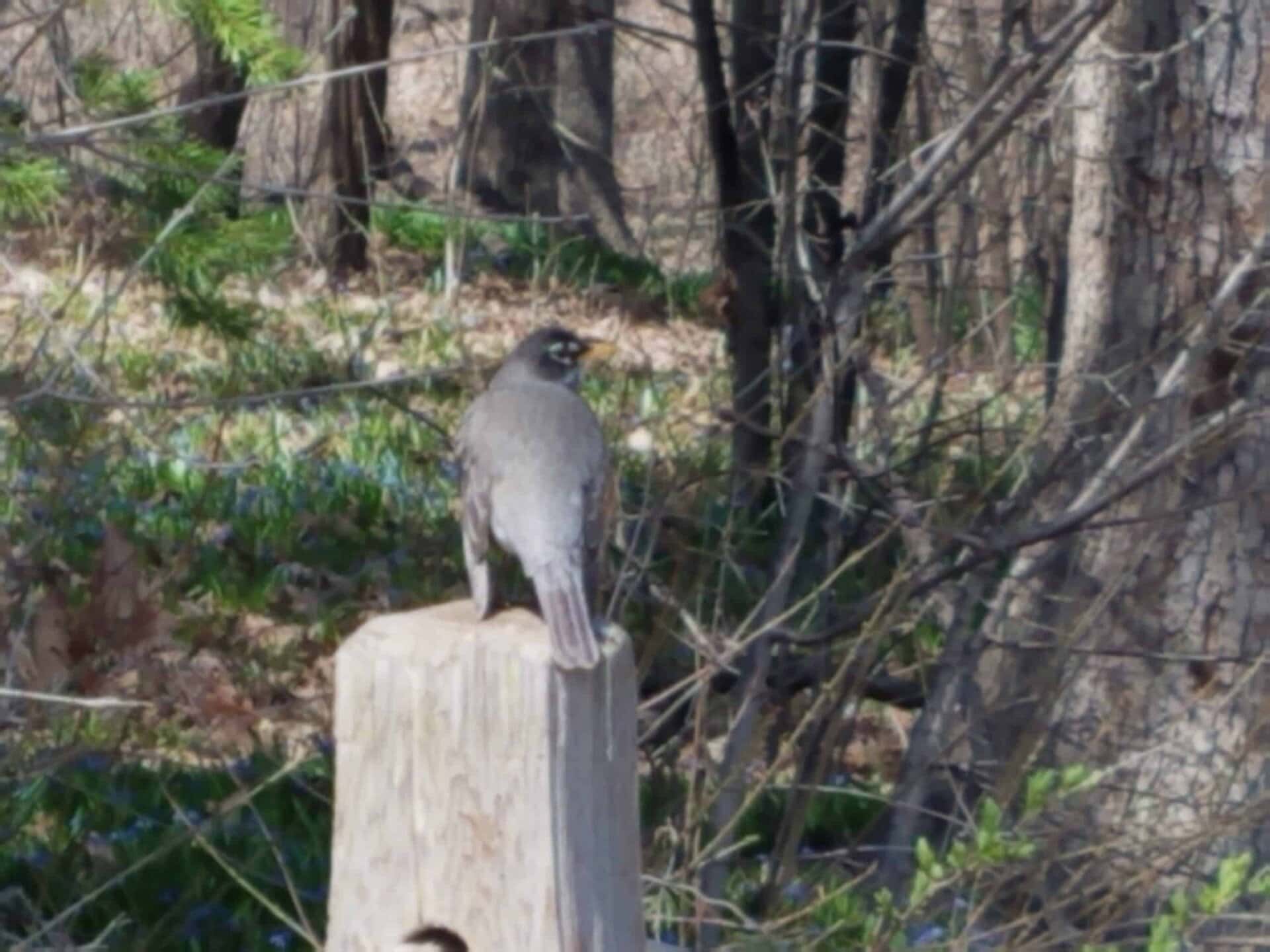
As we begin to settle into our Winter routines while looking forward to Spring, why just fill our bird feeders with store bought fodder when we can grow our own?
- Sunflowers are easy to grow, and provide food for many types of birds, including Cardinals, Chickadees, Nuthatches, etc.
- Cosmos, along with their delicate, wispy beauty, produce tiny seeds within their seed heads that Finches and song birds love.
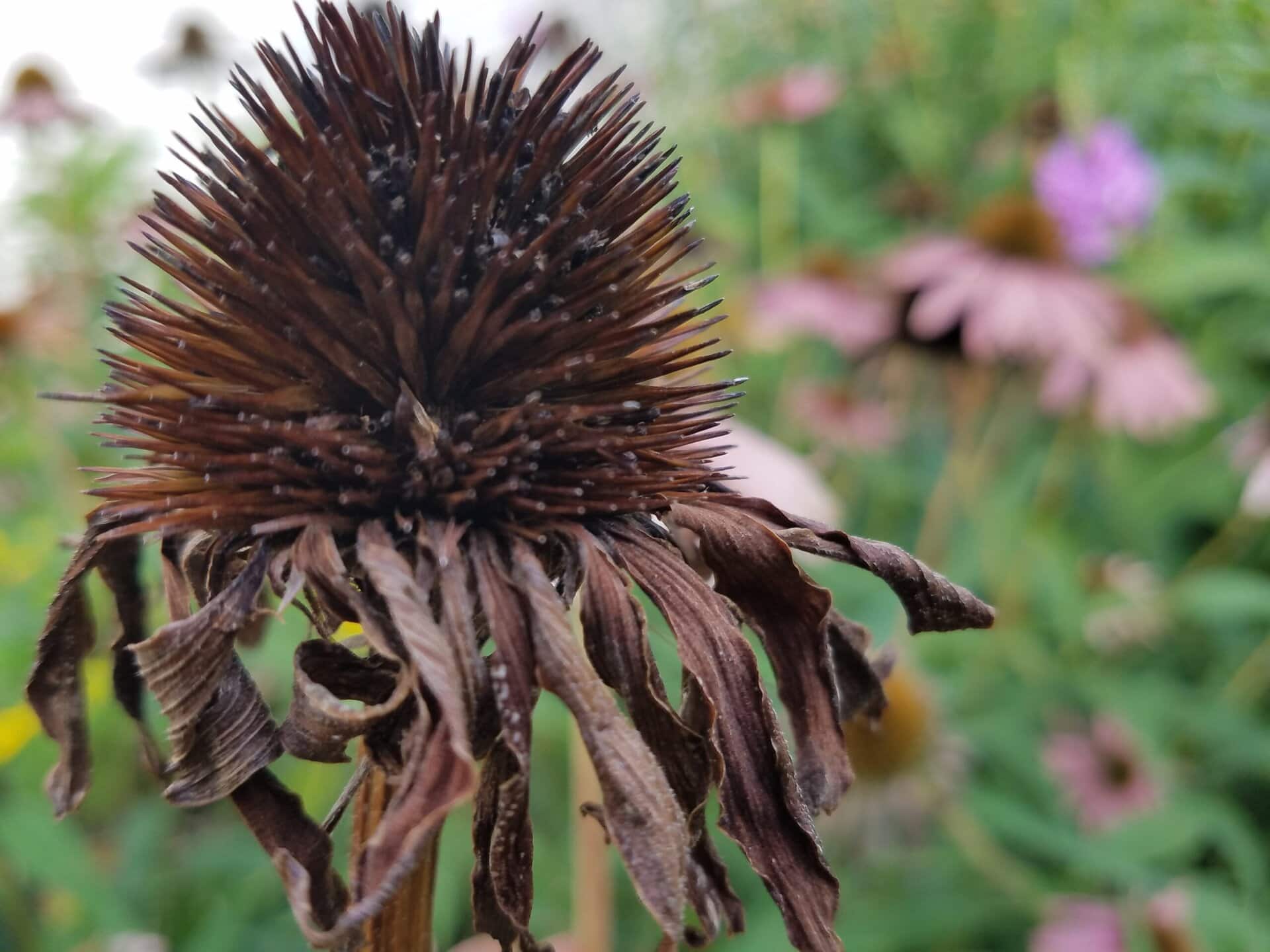
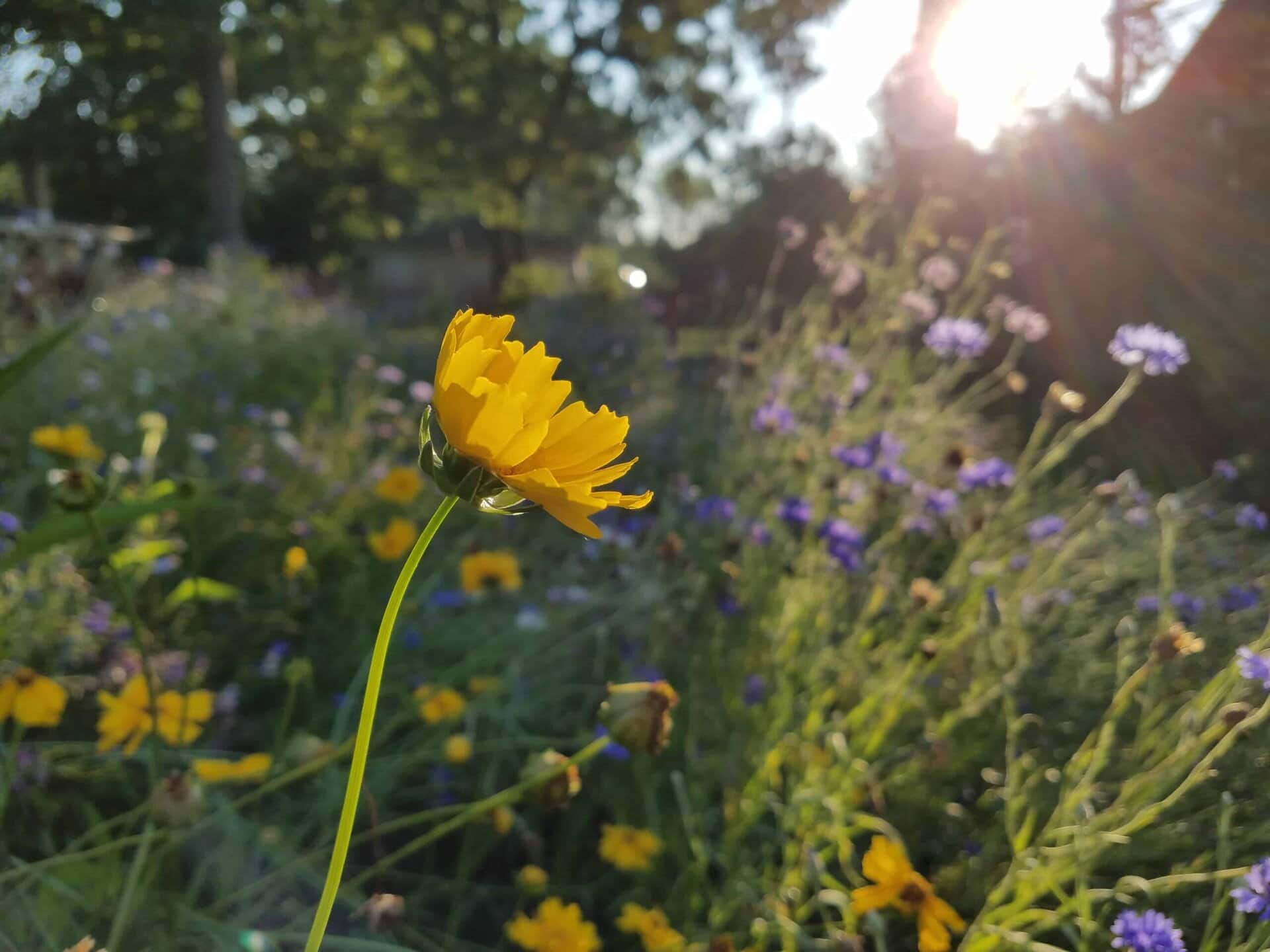
- Coneflowers, like Sunflowers, are easy to grow and provide ample seed for many birds, including Goldfinches and Chickadees.
- Zinnias provide both much needed nectar for bees and butterflies, and when the flowers begin to fade, seeds are produced that Juncos, Goldfinches and Sparrows adore.
- Millet, an annual grass, produces spikes of seed heads that Towhees, Red-Winged Blackbirds, and Sparrows enjoy.
The list goes on and on, as you might imagine, so have a peak at the Audubon’s native plant database.
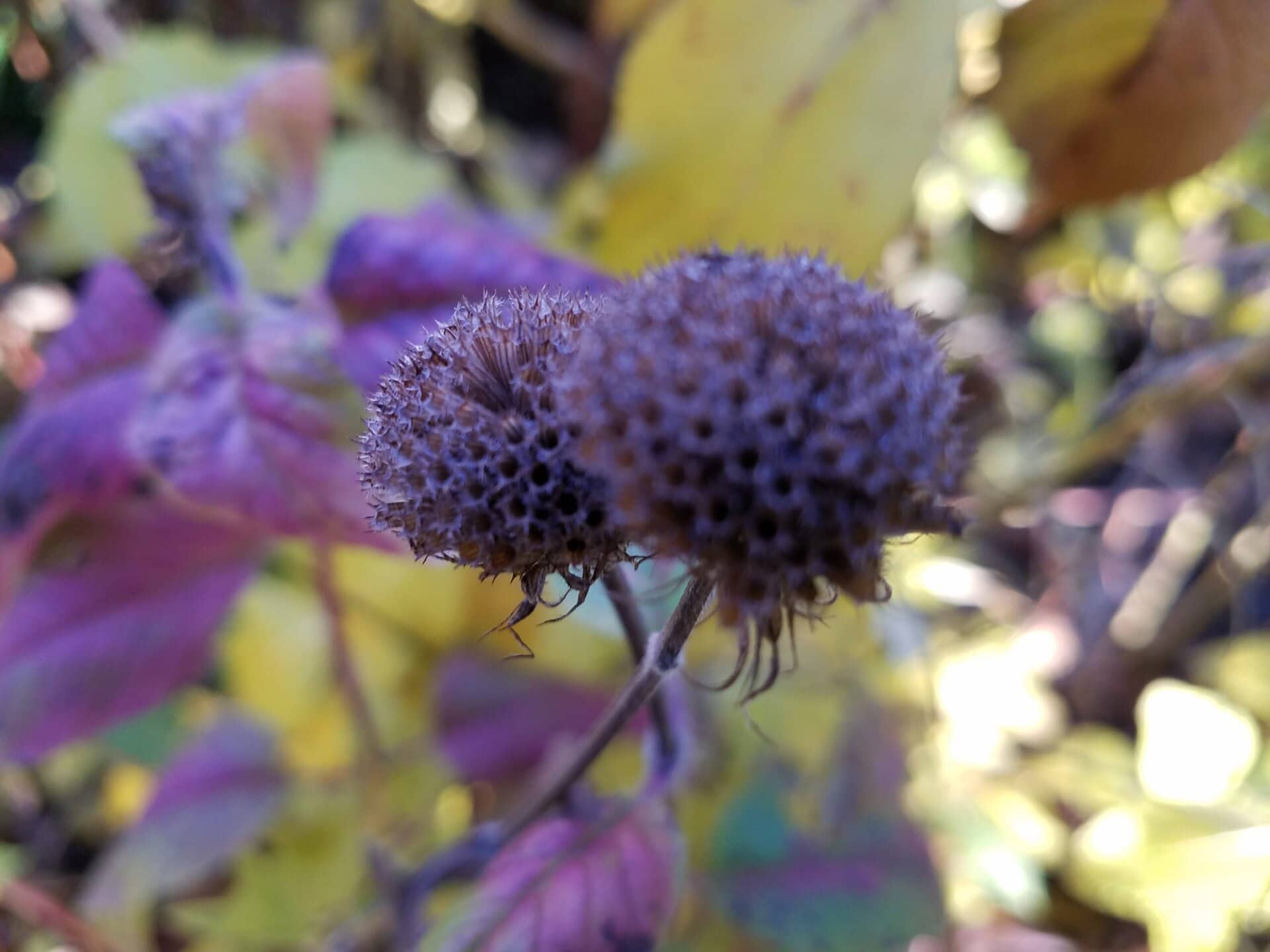
Now, certainly you can leave the birds to eat the seeds directly from the plant or you can harvest them yourself and offer them in feeders. The general rule of thumb is to collect the seeds once they’ve browned, then allow them to dry and mature in a paper bag. After a few weeks, you can shake, rattle and roll the seeds free from their seed heads. Be sure to store in airtight containers, then fill those feeders!
Whether providing seeds naturally from the plant or collecting them yourself, be sure to stay clear of any chemicals, like pesticides or fungicides. Look to native plants and grasses, and in addition to seeds, consider plants that offer fruits and grains.
Ready to start planning your DIY seed garden? Reach out to Sweeney’s! We proudly serve the communities of Villa Park, Elmhurst, Oakbrook, Oakbrook Terrace, Glen Ellyn, Lombard, Wood Dale, Itasca, and more!
Sweeney’s: A Plant Based Company
Plant of the Week
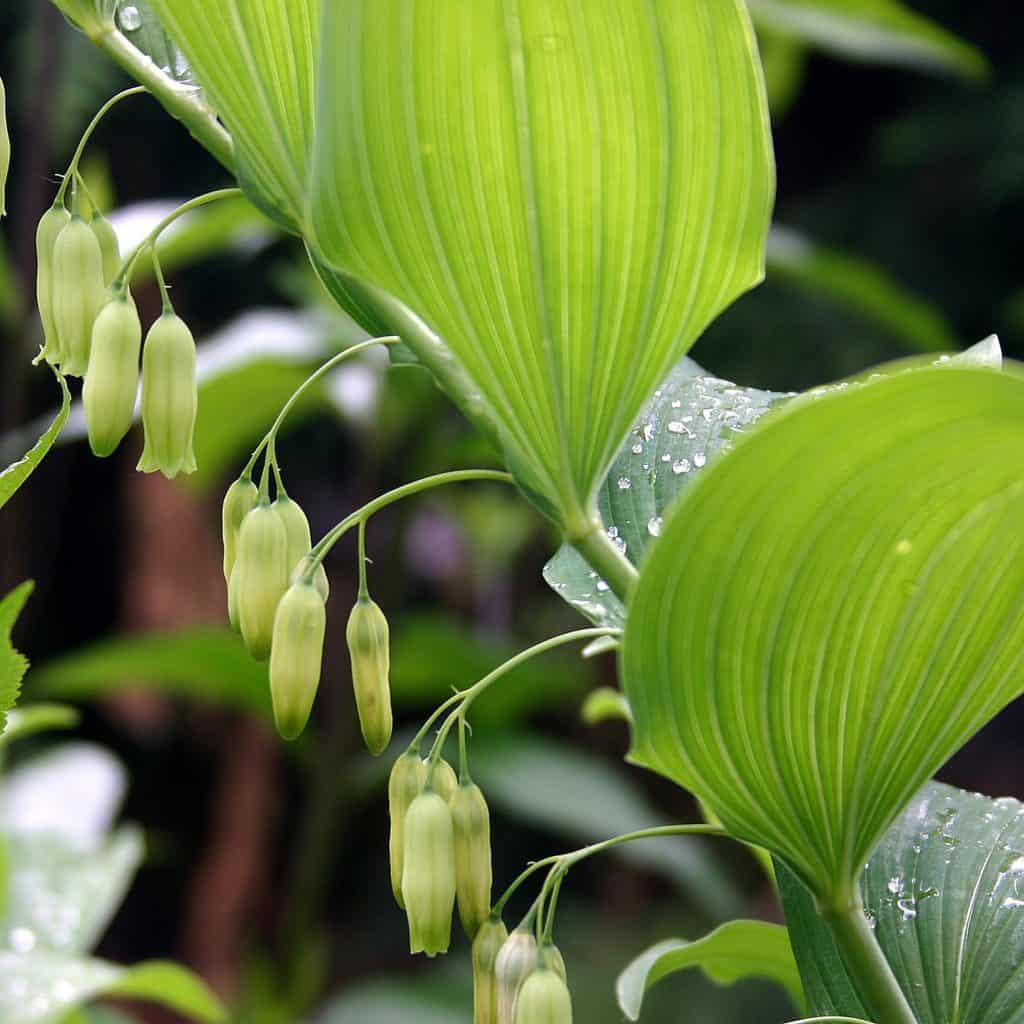
Smooth Solomon’s Seal
Bell-shaped, cream colored flowers dangle from gracefully arching stems May – July. Blue berries follow in late Summer. Prefers shade to partial shade, and moist soil. Grows 24-36″ tall and 12-18″ wide. Attracts wildlife, birds included, bees, butterflies, and other pollinators. Native perennial.
“I value my garden more for being full of blackbirds than cherries, and very frankly give them fruit for their songs.”
~Joseph Addison
Warm Wishes,
Kim Sweeney