
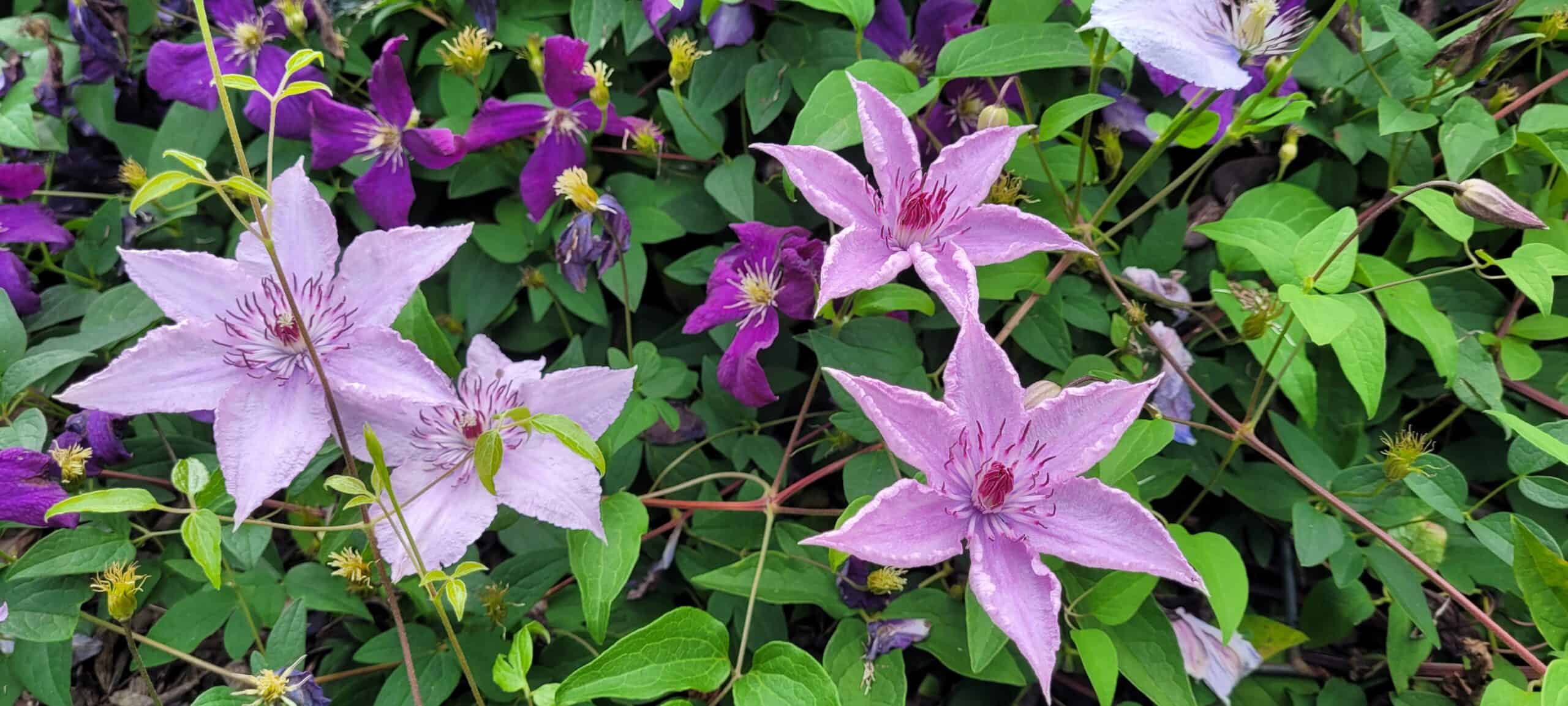
The Summer lull seemed to come early, along with rising temperatures and a lack of any meaningful rain. August will soon be upon us, and contrary to popular belief, she would bestow a dynamic landscape of possibility and change. And opportunity is a knocking.
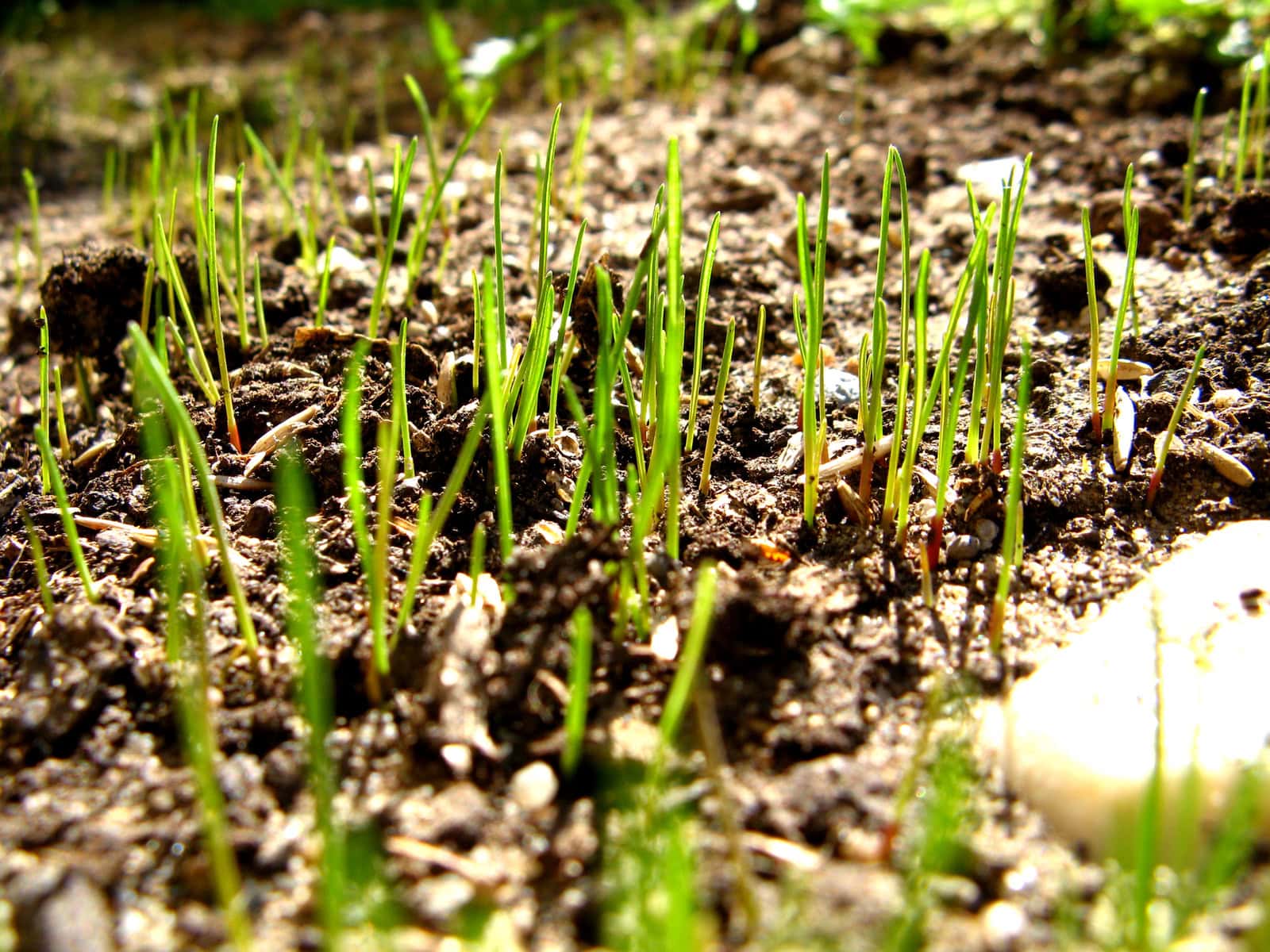
Late Summer provides ideal conditions to seed our lawns. More specifically, seeding should be done between mid-August through mid-September as day time temperatures grow milder with cooler nights, increasing moisture is available, and there is less competition from weed seed germination. Further still, soil temperatures are still warm, again presenting ideal conditions for seed germination.
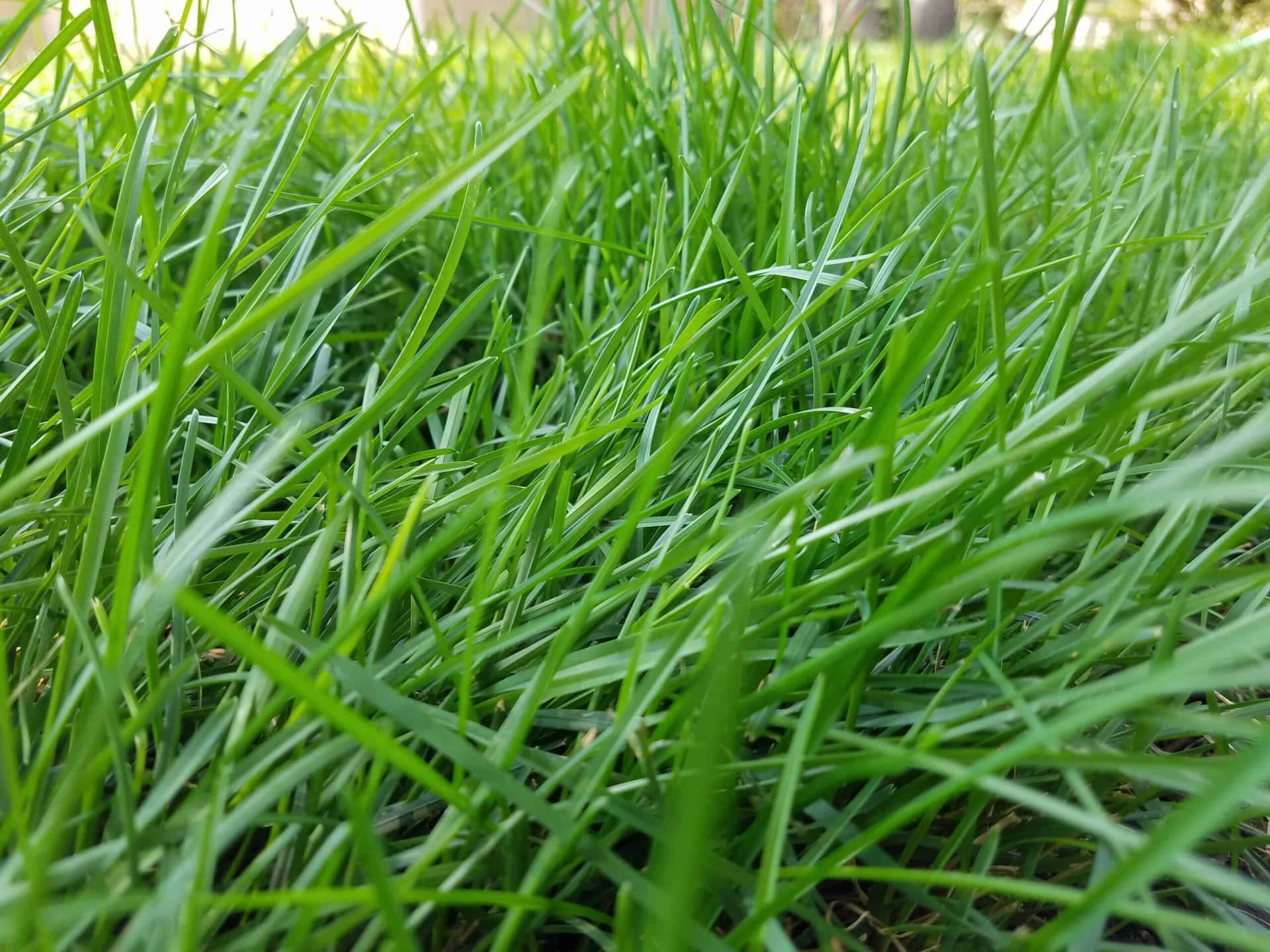
Seeding now allows for strong root development prior to winter’s wrath. And when Spring rolls around, you’re already way ahead of the game, but there is a caveat. Simply broadcasting seed is only part of the equation. In order for the seed to make contact with the soil and develop hearty roots, you must absolutely, unequivocally water.
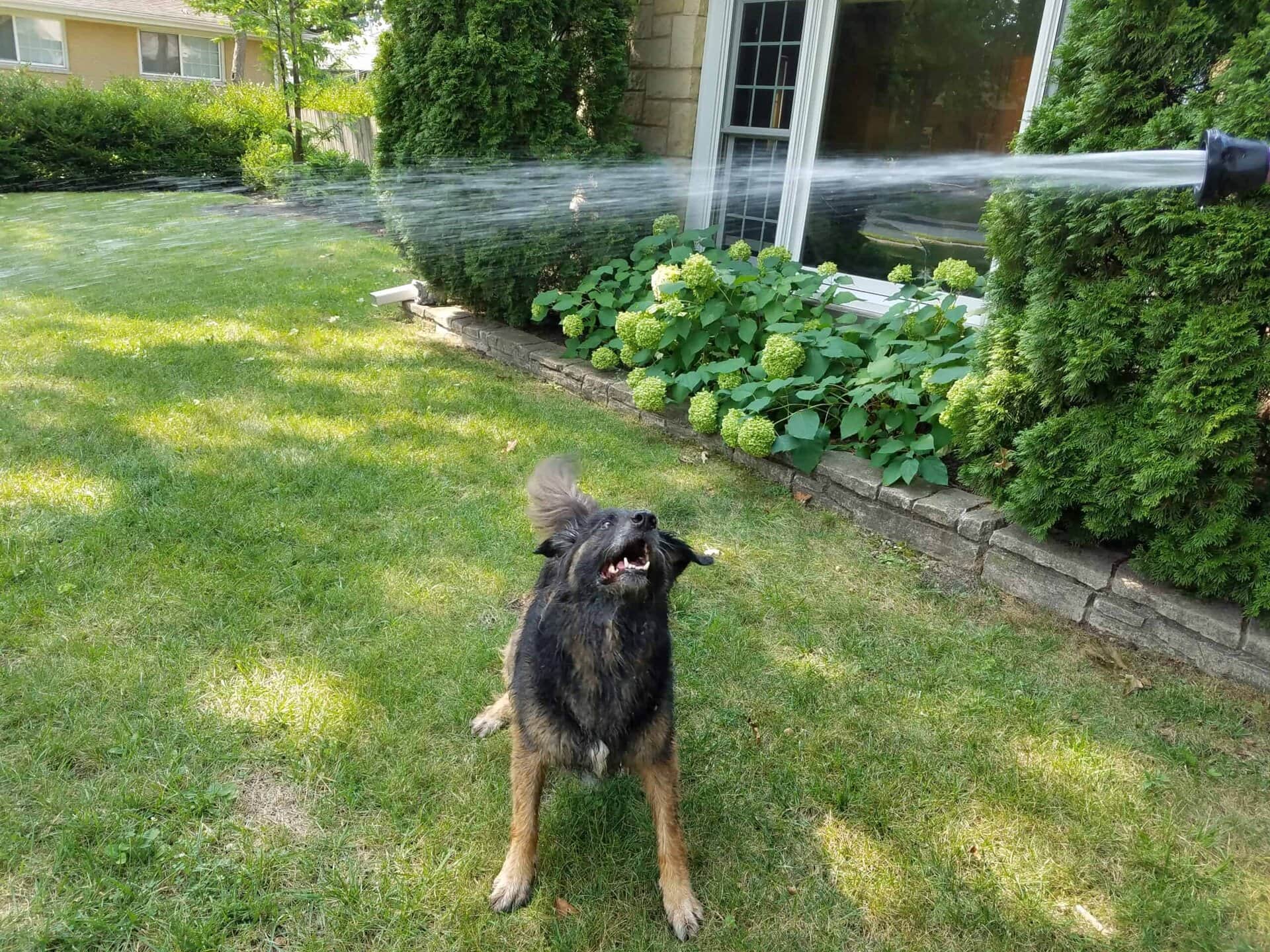
Adequate watering must be provided until complete seed germination. The seeds should be continuously watered on a frequent and light basis. Once the seedlings start to grow, watering should occur less frequently, but deeper, which ultimately creates stronger root systems and overall healthier lawns. Simply tossing some seed onto the dirt or over weakened areas without proper watering will do nothing but feed the birds. You must remain vigilant and diligently water, or all your work is for naught.
Once seedlings begin to grow and fill in, don’t get the mower out just yet. The first mow should happen once the height of the grass reaches about 50% higher than the desired mowing height. For example, if you normally mow your lawn at a height of 2″, then do not mow until the seedlings have reached 3″. Subsequent mowings may not need to be done weekly. It all depends on how the grass is growing. If rainfall is minimal, you may be mowing every other week. No matter when you mow, remember never to remove more than 1/3 of the blade.
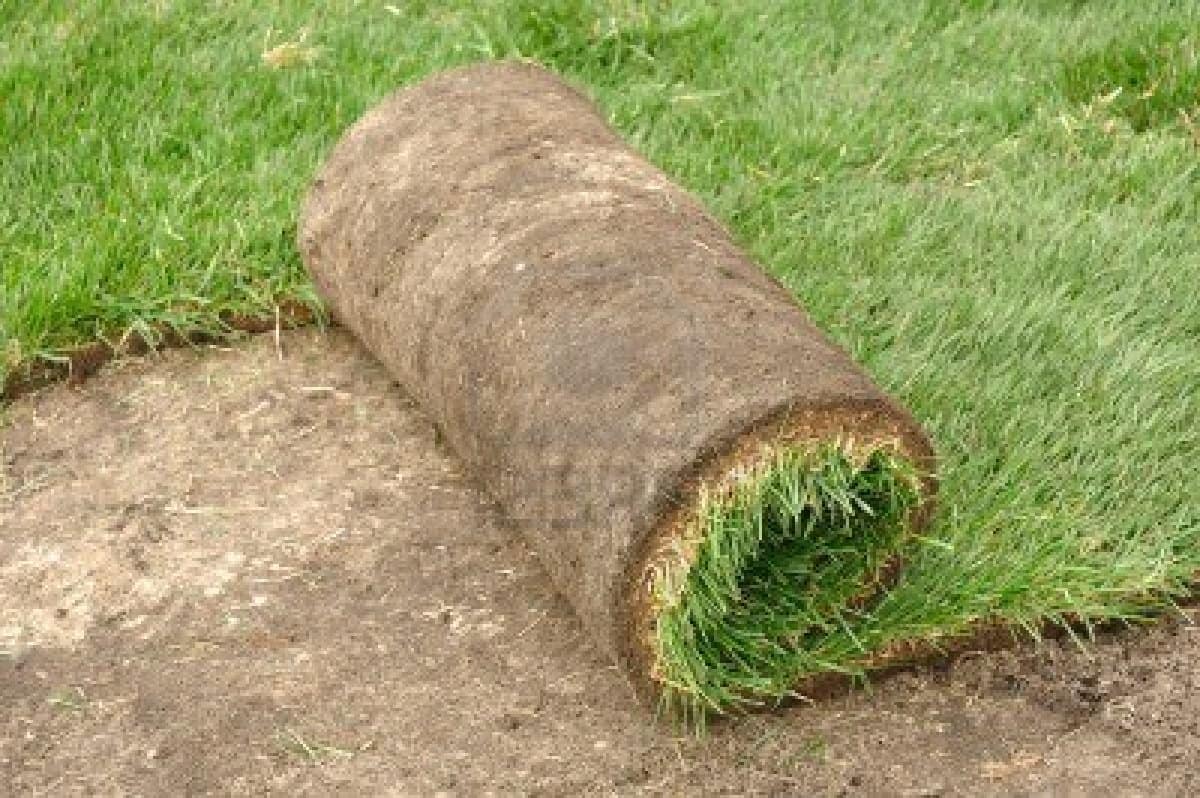
Sod also does well this time of year for all the same reasons and can be laid almost up to the first frost.

Contact Sweeney’s today to schedule your lawn renovation. Don’t let the perfect window of opportunity elude you for another year. Seize the season! We proudly serve the communities of Villa Park, Elmhurst, Oakbrook, Oakbrook Terrace, Glen Ellyn, Lombard, Wood Dale, Itasca, and more!
Sweeney’s: A Plant Based Company
Plant of the Week
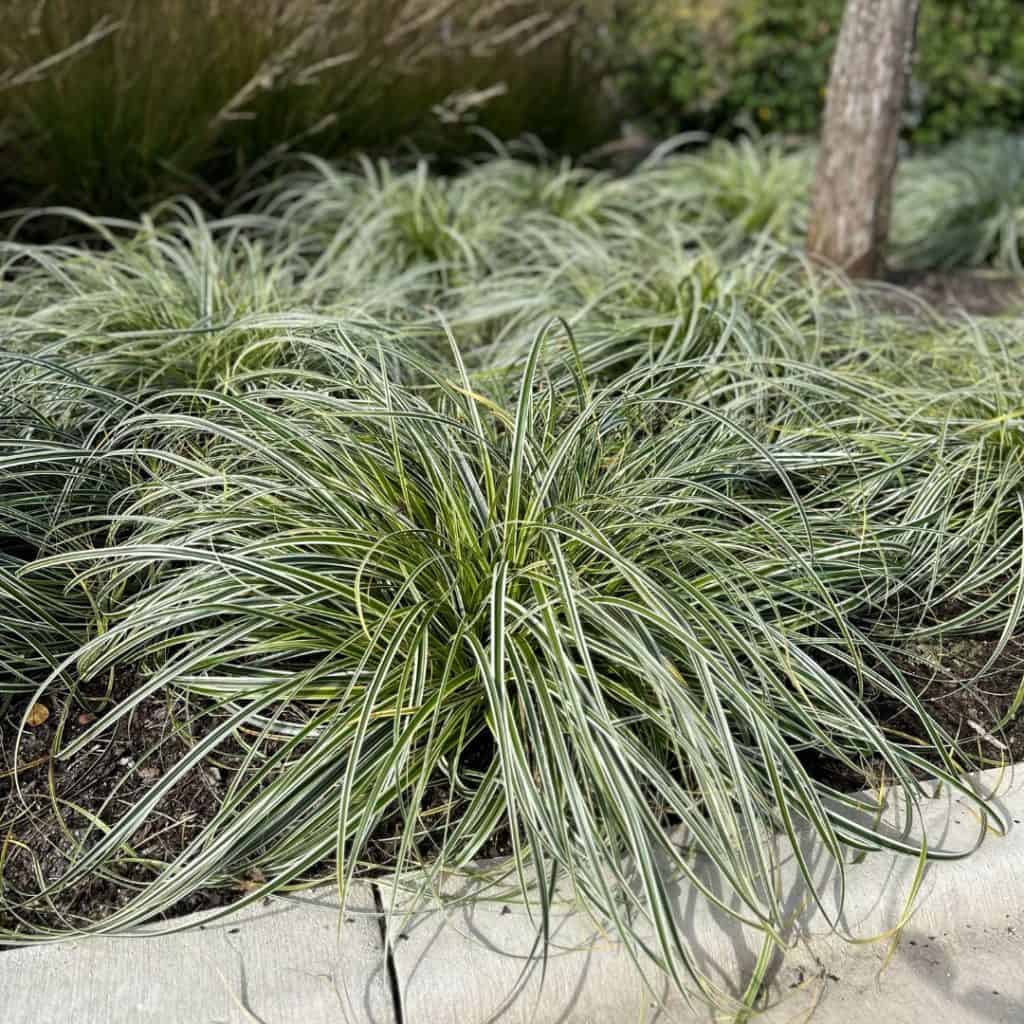
Feather Falls Sedge
Variegated, green and cream colored, arching, slender foliage grows in a lovely mound. Prefers sun to partial sun and moist, well-drained soil. Grows 12-18″ tall and 3-4′ wide. Deer resistant.
“July brings harsh drought
but the sun is ripe; heat as thick
as tomato skins.”
– kite
Best wishes,
Kim Sweeney
In honor of Barney and Ziggy.
Lovers of healthy lawns, hoses and life.
We love you, and miss you…