
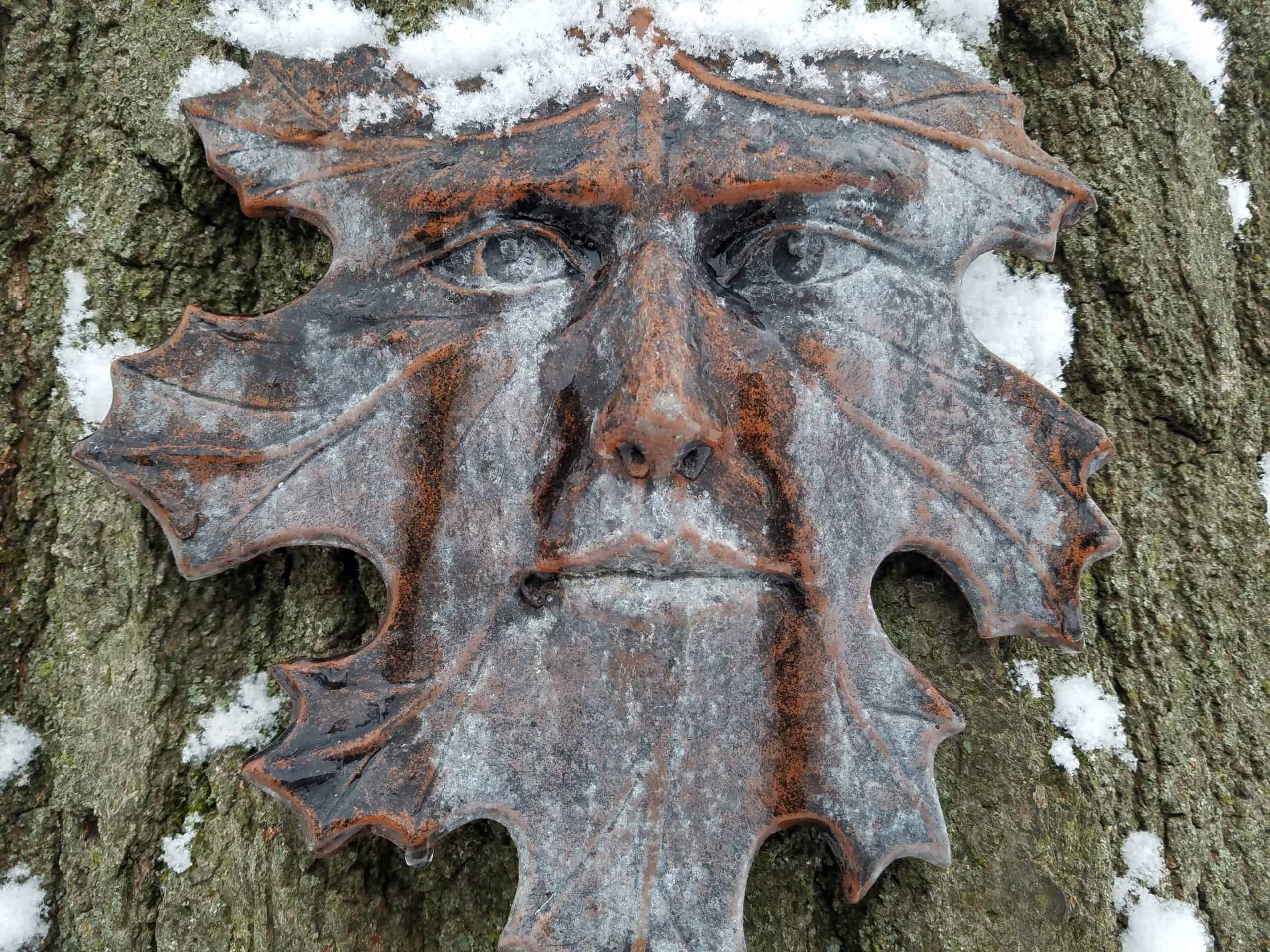
Winter settled in comfortably, as it’s apt to do, lounging upon the couch of life, shoes on, leaving an empty pantry in its wake, and hogging the remote. Winter is here to stay, and will undoubtedly leave its mark.
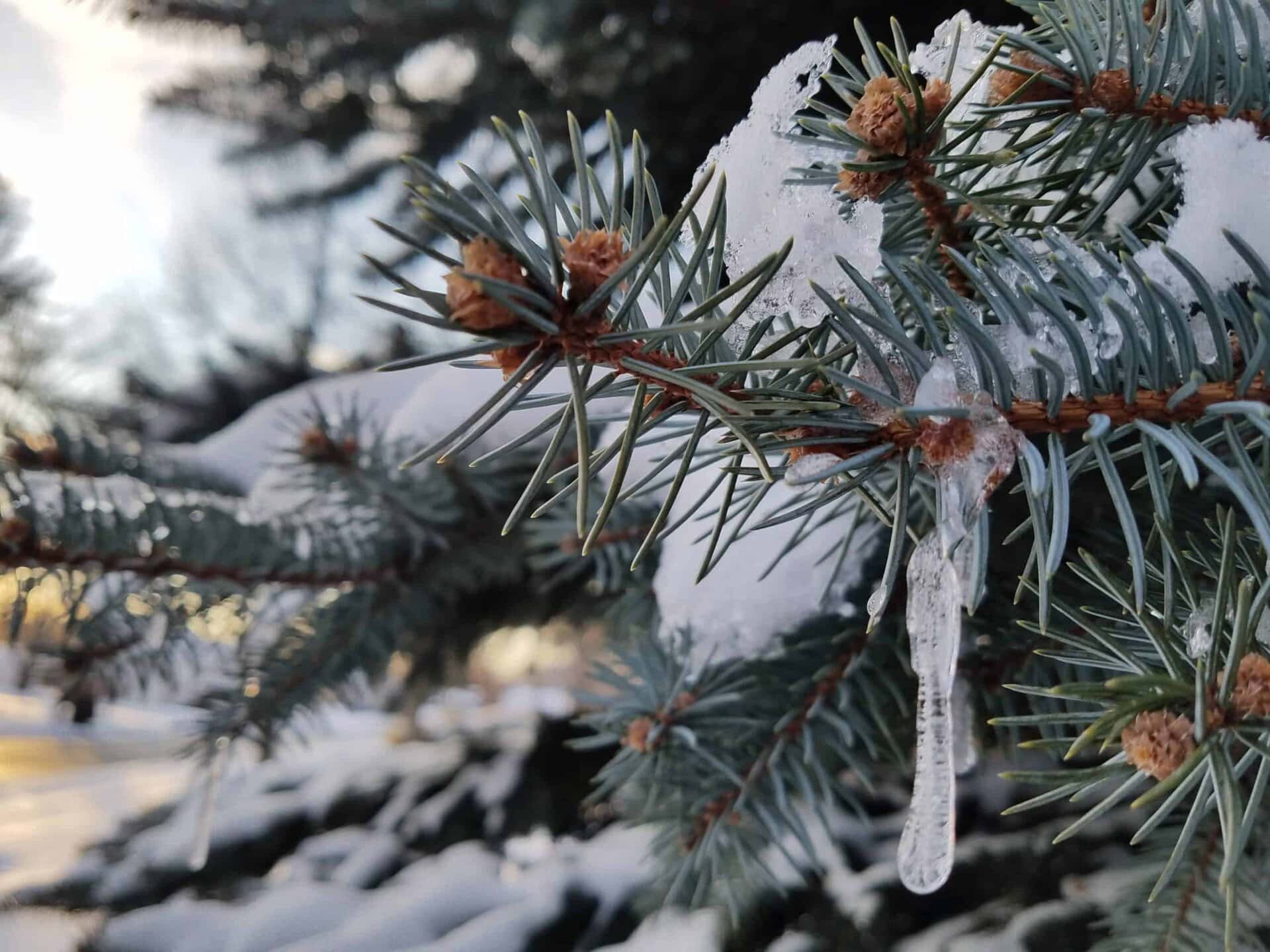
Winter scorch, due to extreme cold, drying winds, and even salt spray or run-off, can affect evergreens, like Yews and Arborvitae. Broadleaf evergreens, like Boxwoods and Rhododendrons, tend to show more damage as their leaf surface is much larger than evergreens’ with needles. Because the plants’ foliage either didn’t have adequate water or was transpiring water faster than the roots could absorb, the foliage begins to dry, wilt and turn brown. Basically, they succumb to dehydration.
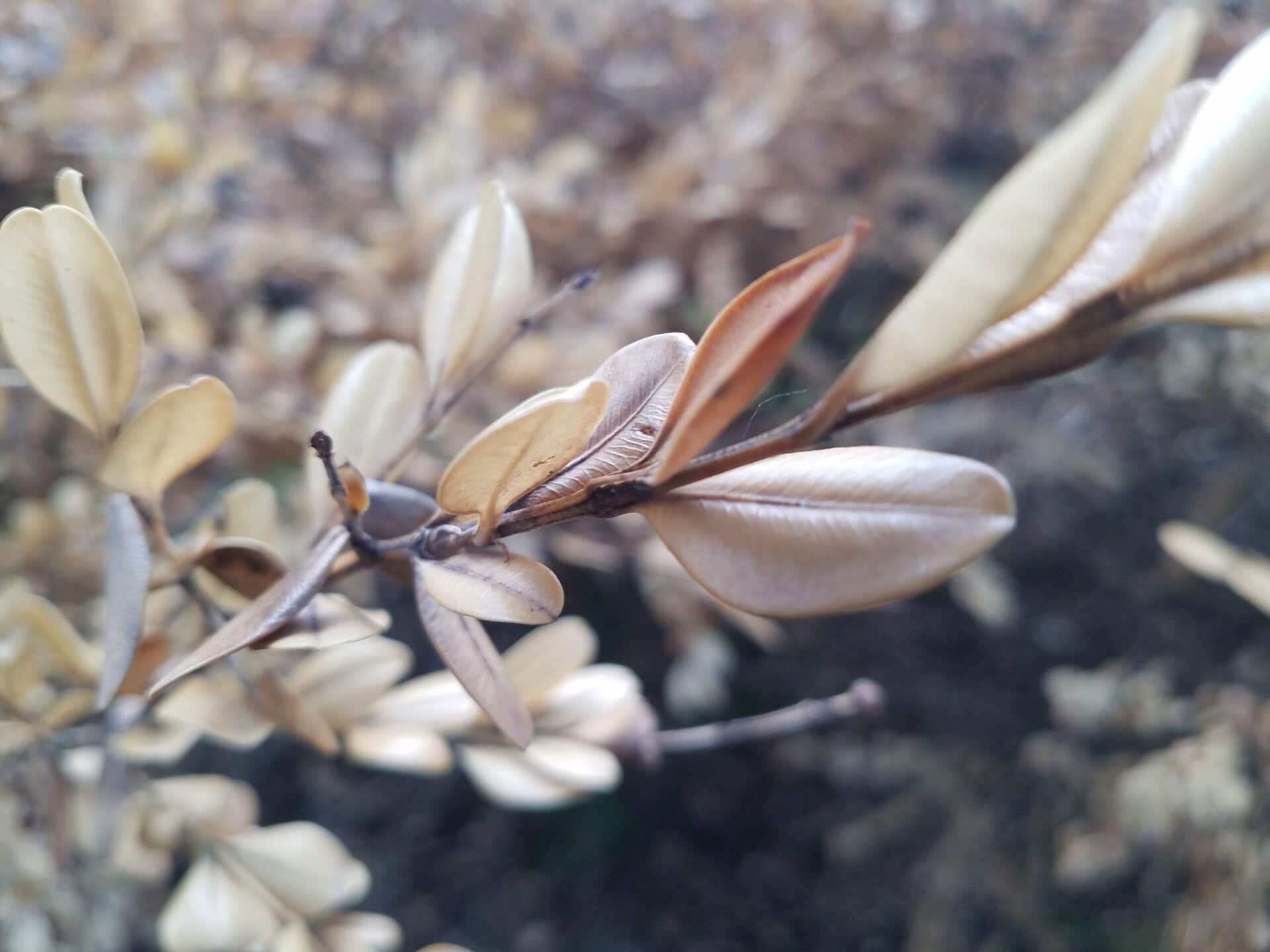
To add insult to injury, sun and warming Spring temperatures can prove to further harm the plant as sunlight triggers the photosynthesis process in which water is required; however, it may not be readily available as the ground is still frozen as water continues to evaporate from the leaves.
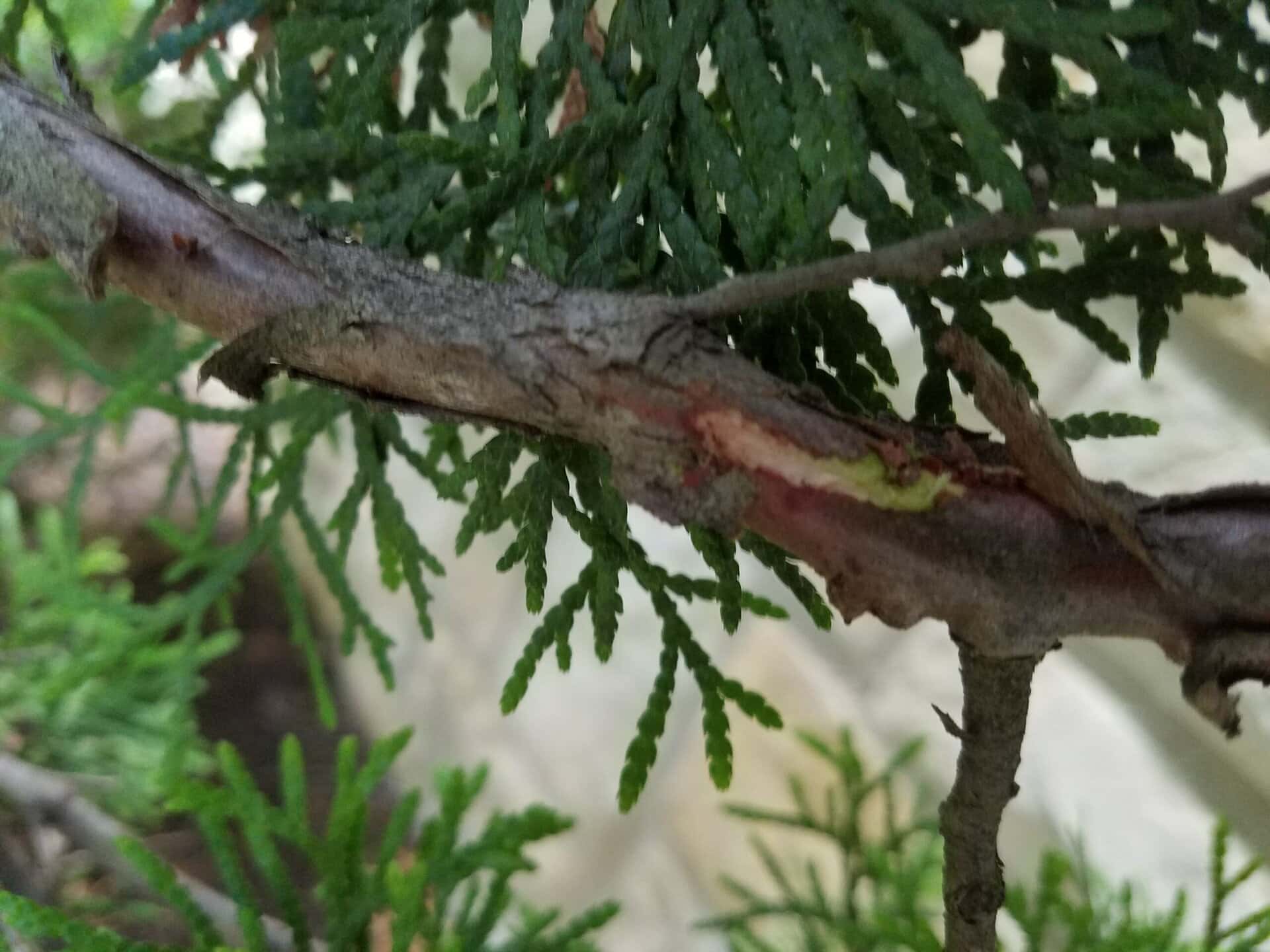
As the soil begins to thaw, watering damaged shrubs may help, but some evergreens will require light pruning, while others will require more serious, deep pruning. Before you begin, gently scratch the stems to reveal if there is live, green tissue. If there is, leave well enough alone as the dead foliage will eventually drop, and the plant will bounce back with some time and patience. If the tissue is dead, pruning will be needed, and in some cases, the plant may be a total loss.
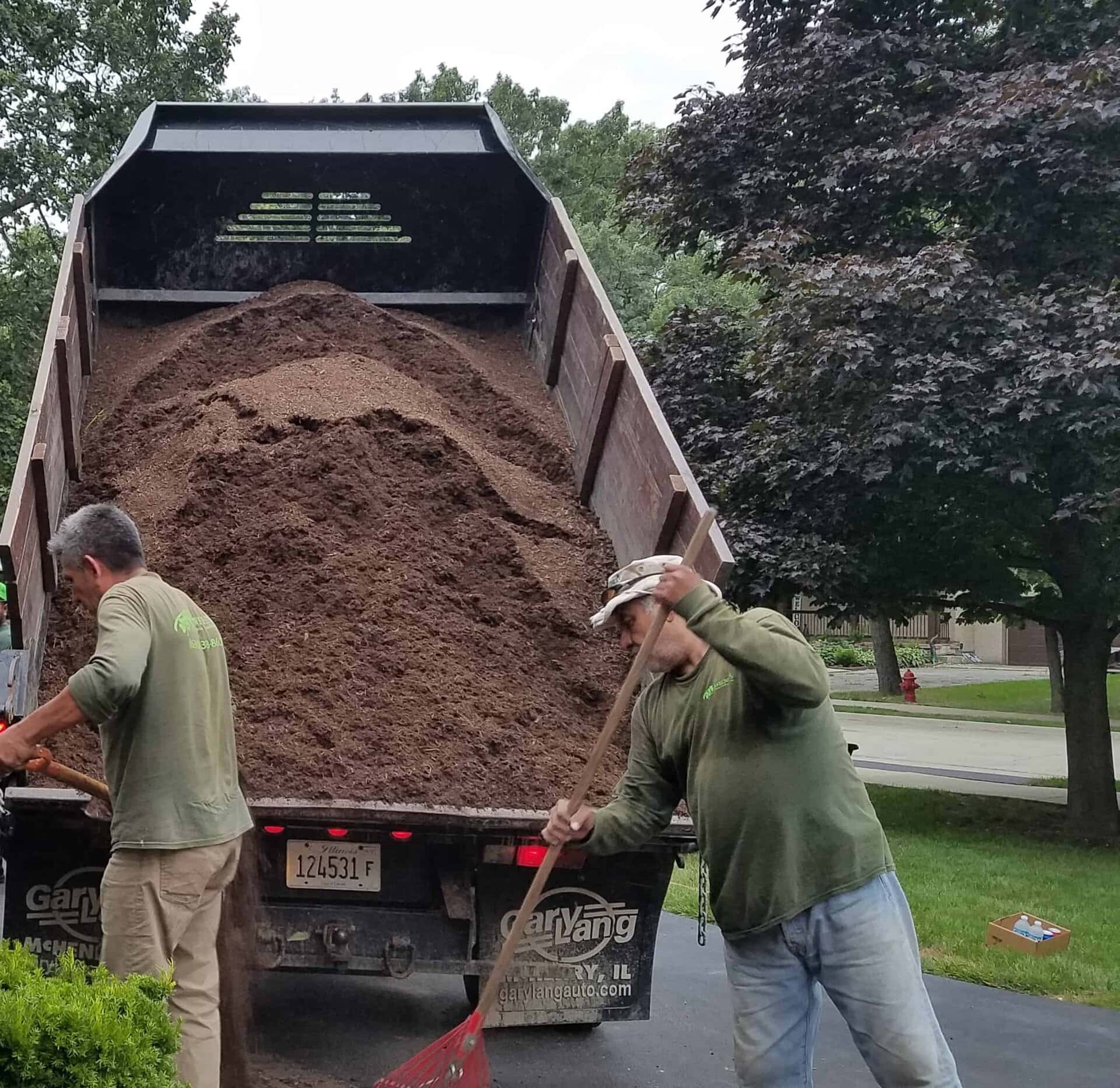
To help prevent winter scorch, look to proper maintenance techniques. Make sure plants are mulched, which as you know, helps maintain moisture and keep soil temperatures warm. Additionally, ensure plants are well hydrated before going into Winter, and in some cases, consider applying two rounds of anti-desiccants or anti-transpirants in December and February. Not sure if your evergreens will bounce back? Need help pruning or replacing plants? Need a round of anti-desiccants? Reach out to Sweeney’s today! We proudly serve the communities of Villa Park, Elmhurst, Oakbrook, Oakbrook Terrace, Glen Ellyn, Lombard, Wood Dale, Itasca, and more!
Sweeney’s: A Plant Based Company
Plant of the Week
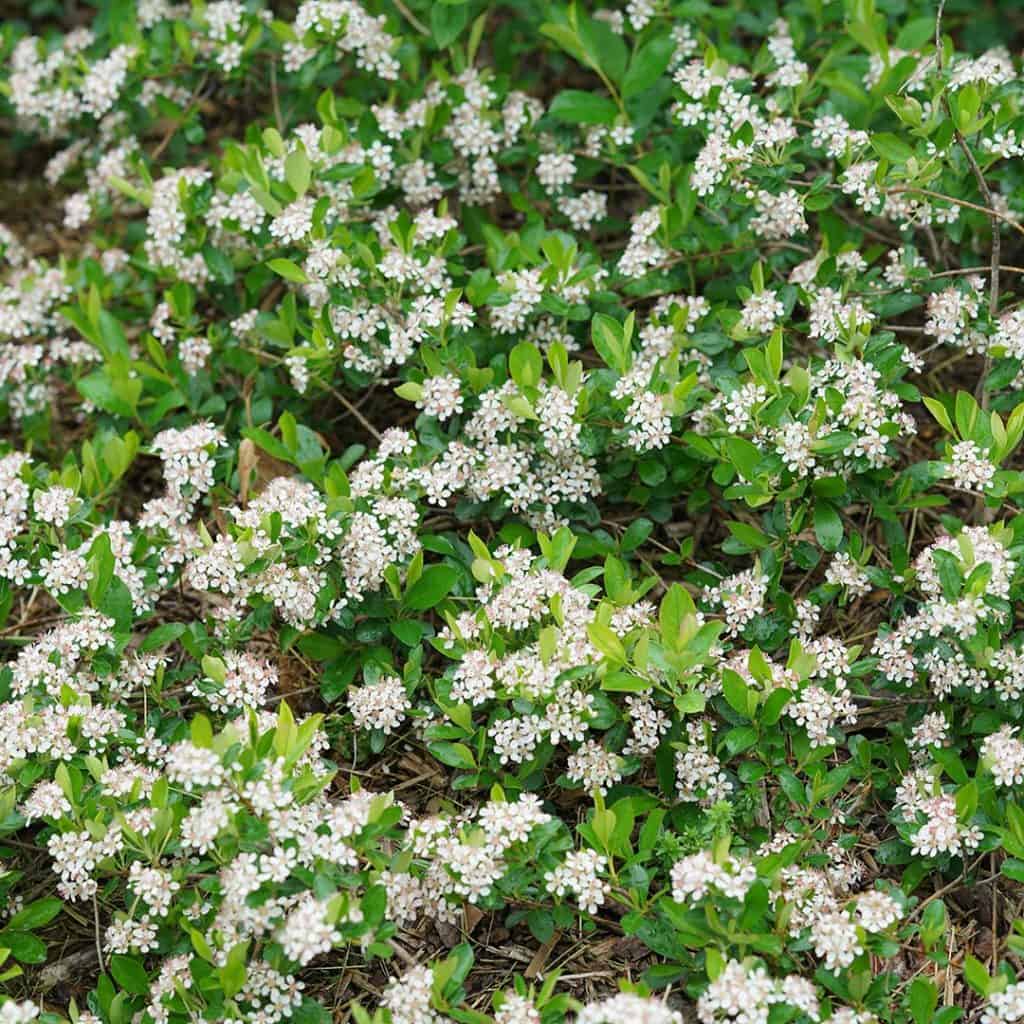
Ground Hug® Chokeberry
Tough, native shrub grows as a dense groundcover. Dainty white flowers bloom in Spring amongst glossy, green foliage. In fall, foliage changes to a striking red with the addition of dark purple berries. Prefers sun to partial sun, and well-drained soil. Grows 8-12″ tall and 24-36″ wide. Salt tolerant. Deer resistant.
“The Winter’s cheek flushed as if he had drained
Spring, Summer, and Autumn at a draught…”
~Edward Thomas
Warm wishes,
Kim Sweeney