
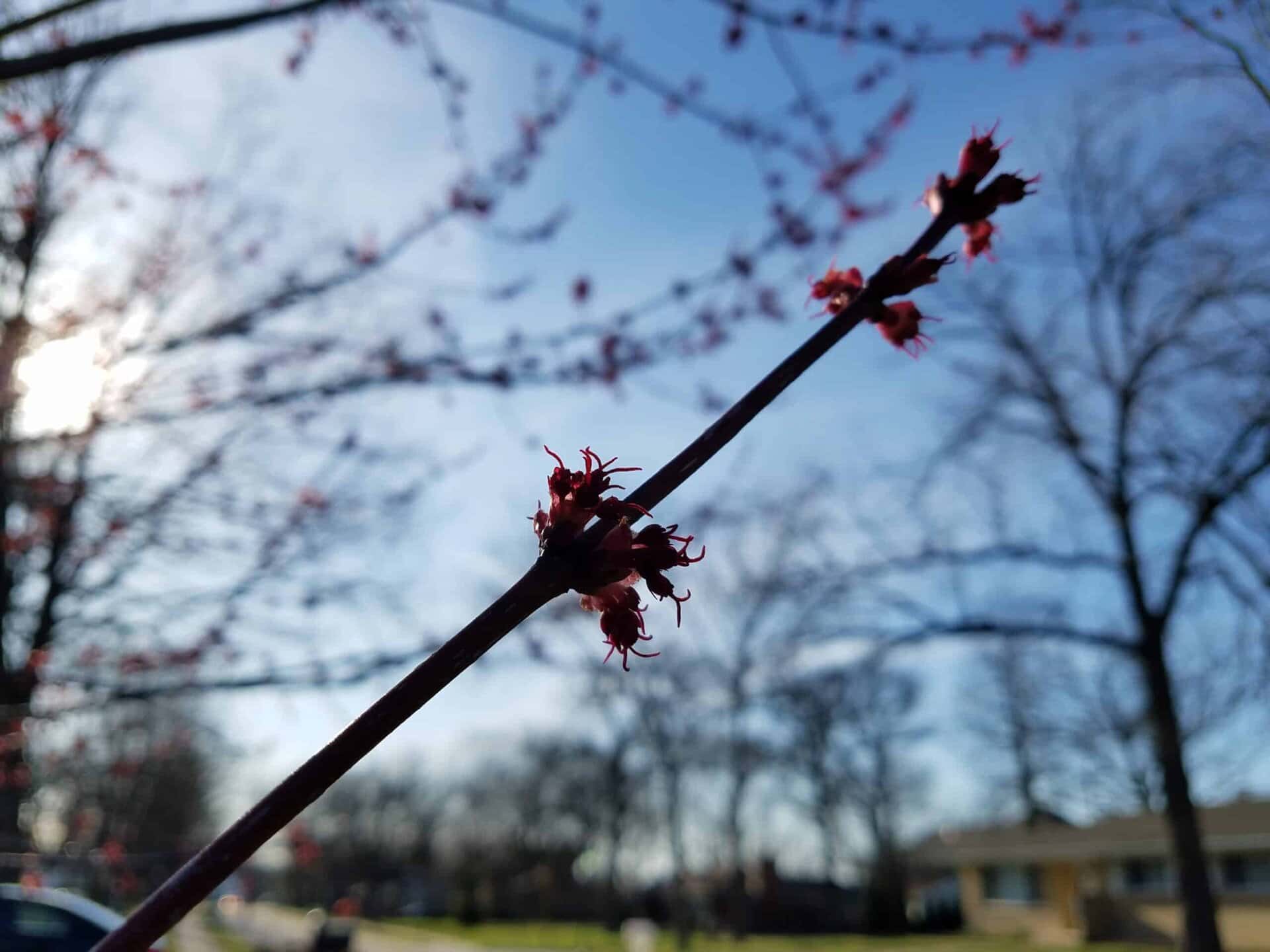
Swelling buds and burgeoning bulbs dappled the landscape with the power and promise of Spring. Soon the muddied, desolate earth would be replaced with color and life, and the barren trees would fill the sky with their lush canopies.
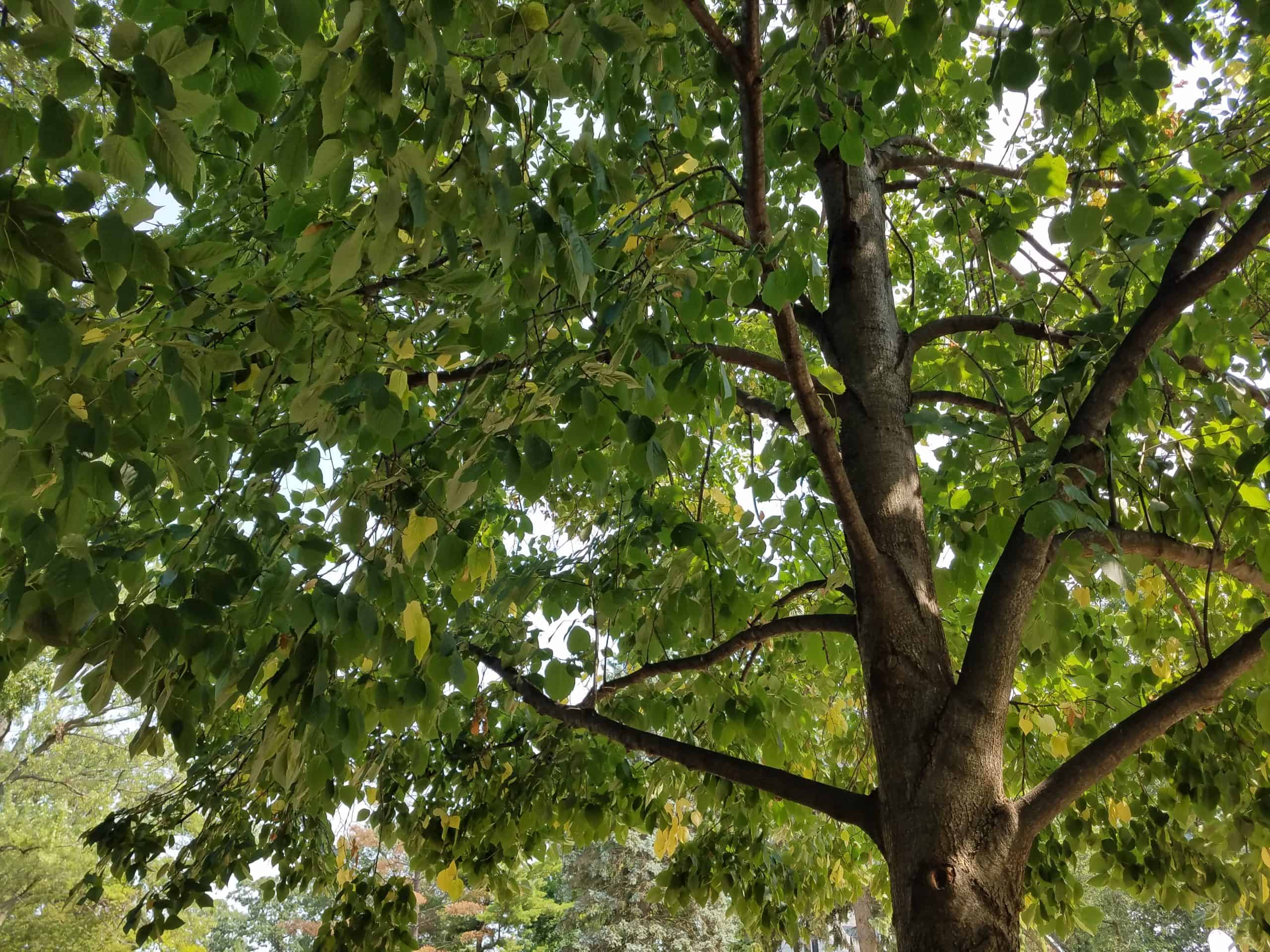
In order for trees to leaf out, they must rely on their root systems to transport much needed water and nutrients. This means roots are directly connected to foliage by conductive tissue. Cool, right?
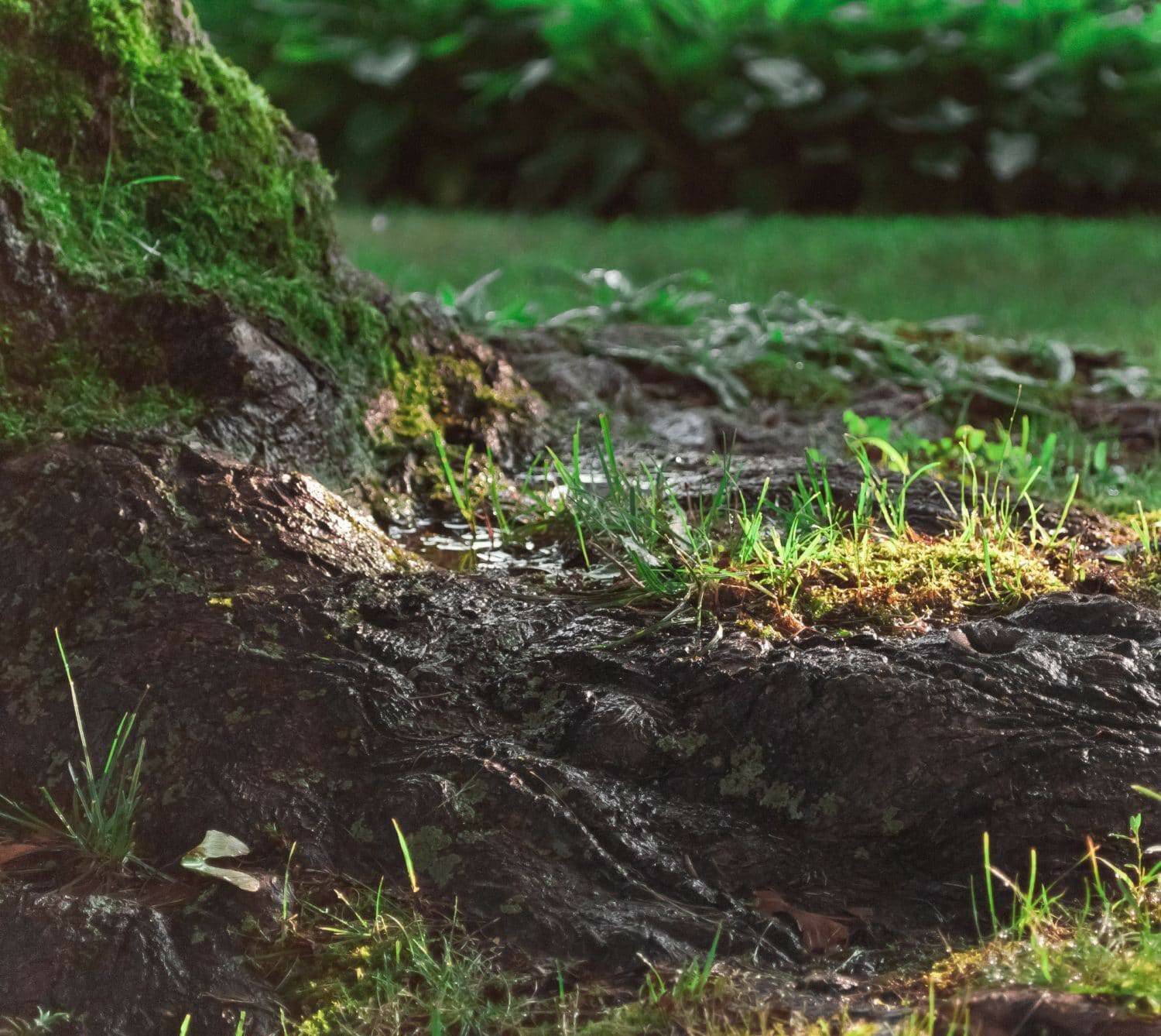
When envisioning the root systems of trees, many of us assume the roots extend deep down into the soil, but this is simply not the case. The vast majority of roots can be found in the upper layer of soil, more specifically, the first 18″. Tree root systems are actually rather shallow, but quite wide. It is estimated that roots can extend three times the canopy spread, so when looking up at the tree’s crown, imagine how far reaching the roots are spread. This, of course, can differ some depending on the soil. In heavy, clay soils, the roots may only be half the width of the canopy, while looser, sandier soils may allow roots to expand up to five times the canopy spread. This means that the majority or a high concentration of roots can be found at the drip line. The drip line is the area located at the far edges of the canopy, not directly under the canopy as one might imagine.
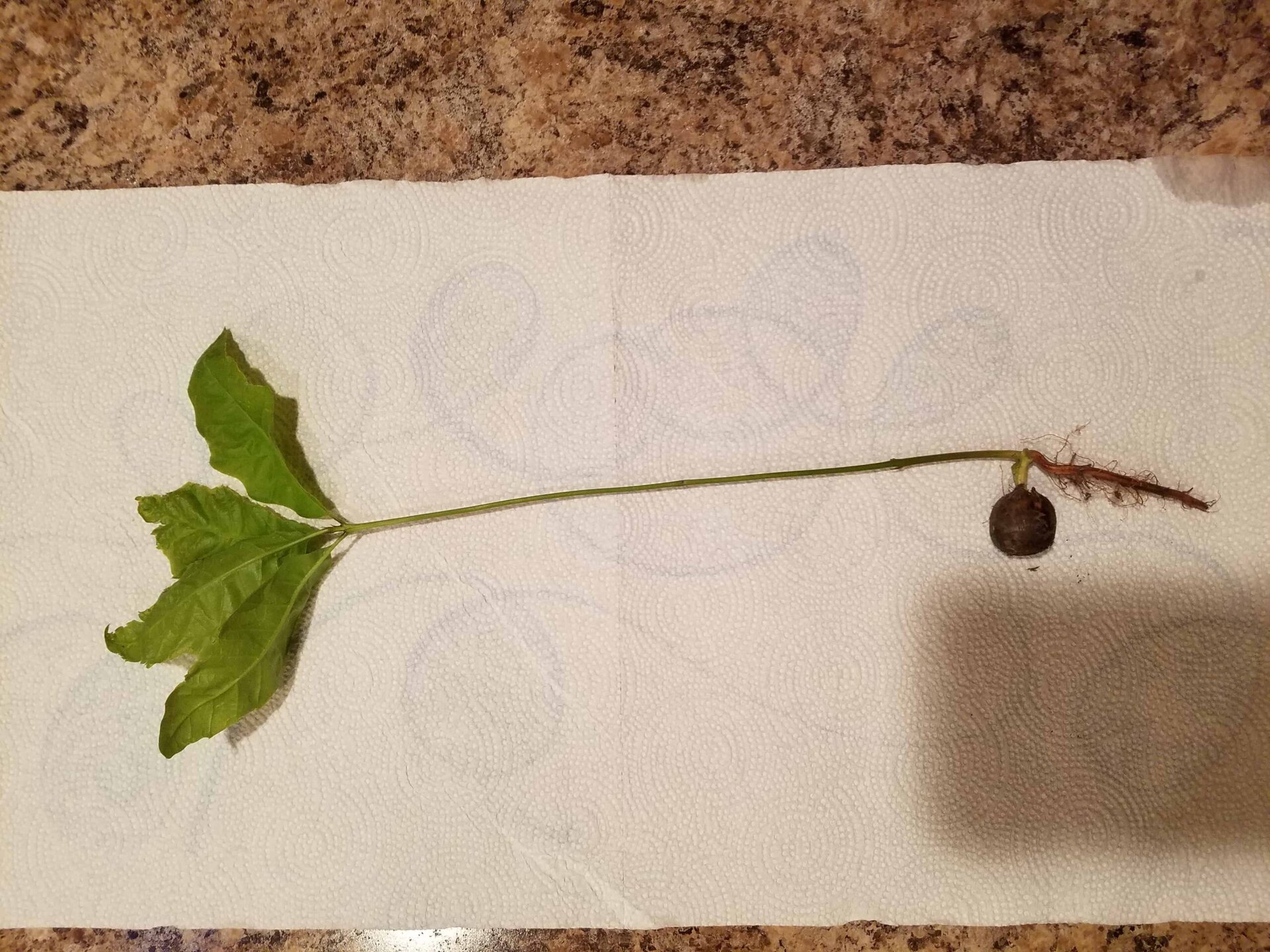
So what about tap roots? Tap roots do extend directly down from the trunk into the soil, and initially help the stability of a young tree. Most trees do not rely on tap roots as they reach maturity because they are no longer as valuable. Lateral roots provide enough stability to replace the tap root, and necessary nutrients are more readily available, then those at deeper levels.
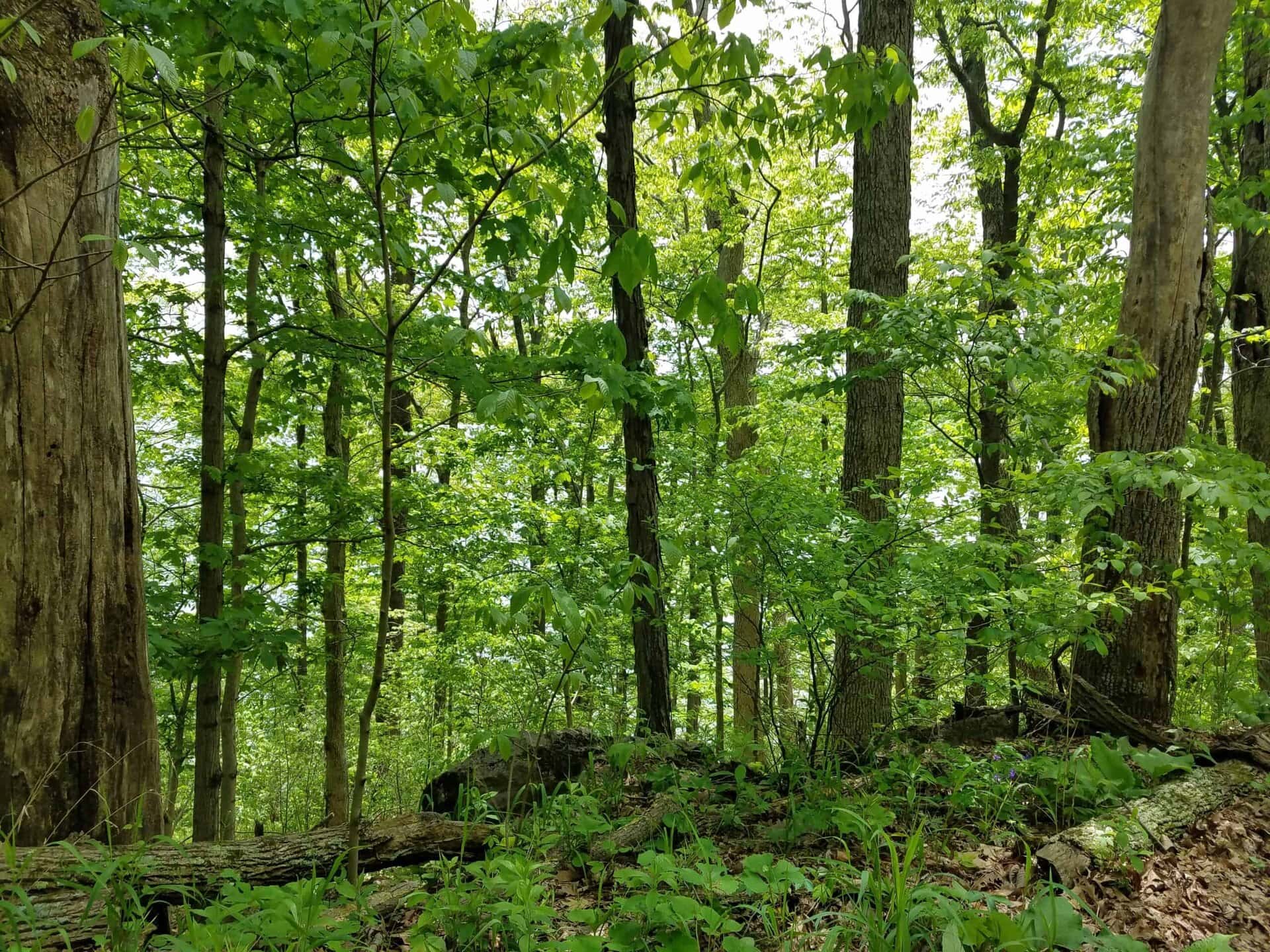
To help protect and care for tree roots, water and mulching efforts should be directed at the drip line, and not around the trunk. Remember, reach out to Sweeney’s with any of your “root” concerns, and Spring projects, like mulch and clean ups! We proudly serve the communities of Villa Park, Elmhurst, Oakbrook, Oakbrook Terrace, Glen Ellyn, Lombard, Wood Dale, Itasca, and more!
Sweeney’s: A Plant Based Company
Plant of the Week
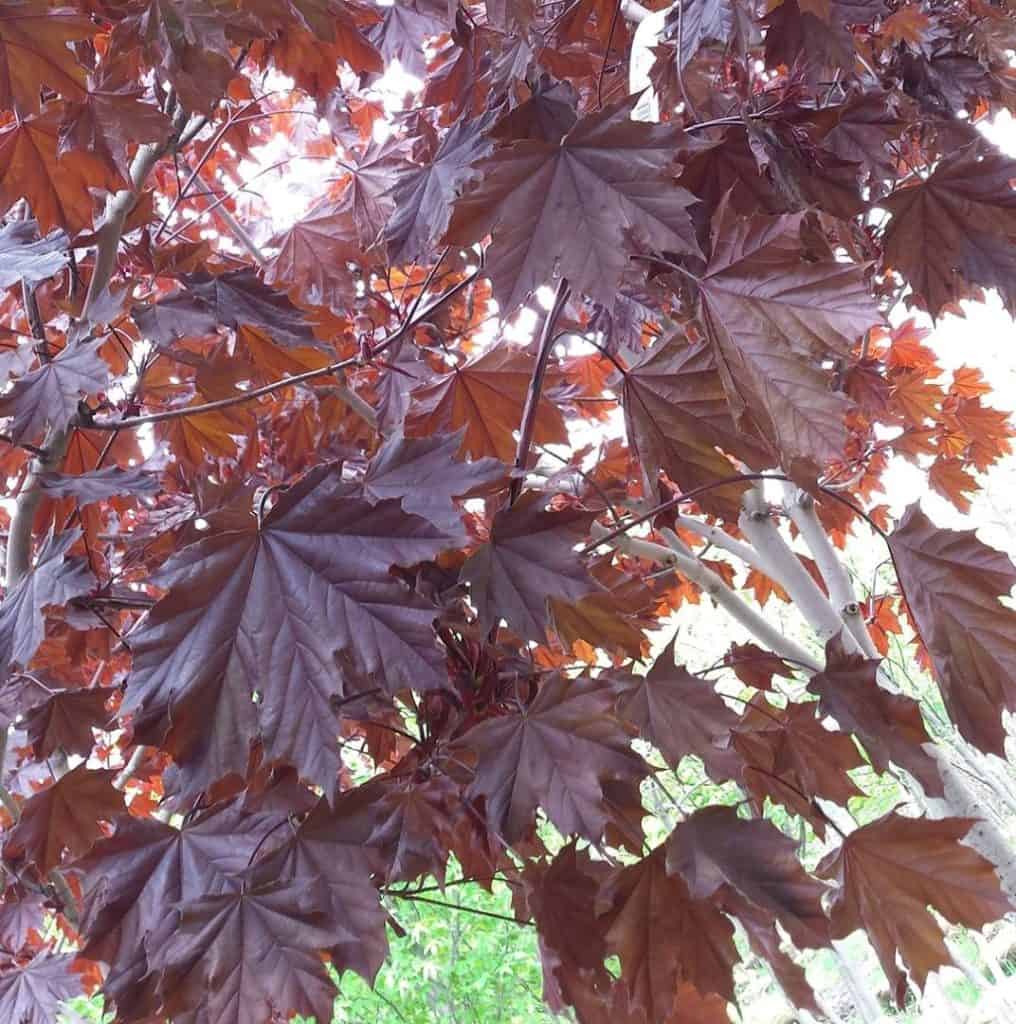
Crimson King Norway Maple
Large, deeply lobed, maroon leaves mature to a crimson-bronze in Fall. Clusters of purplish-yellow flowers appear in Spring before foliage emerges. Prefers sun to partial sun, and moist, well-drained soil. Grows 30-60′ tall and 30-50′ wide. Excellent Fall color.
“The trees are whispering to me, reminding me of my roots, and my reach… shhhhhh… can you hear them? Selflessly sharing their subtle song.”
~Jeb Dickerson
Best wishes,
Kim Sweeney