
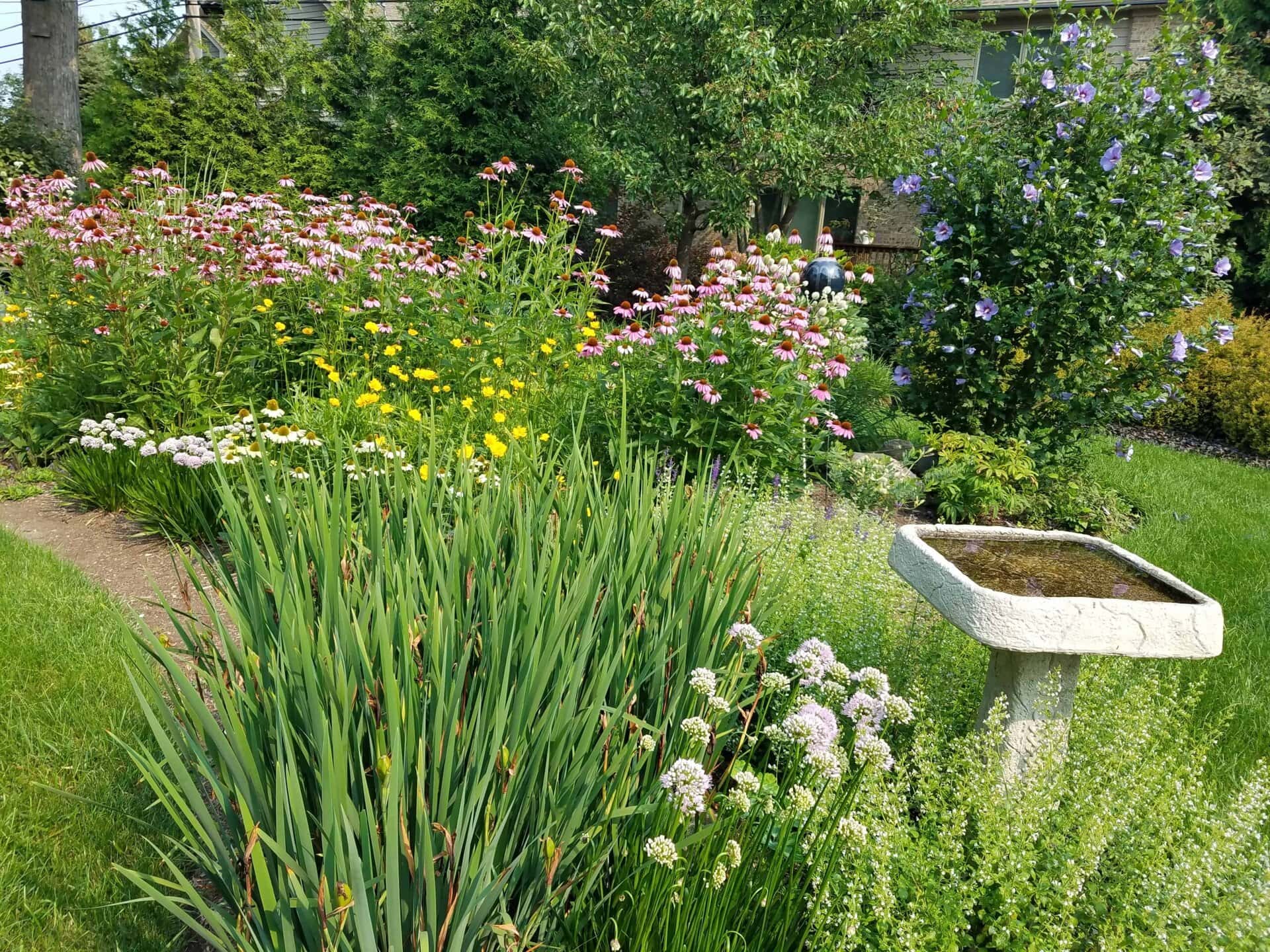
Summer marched forth to the cadence of the cicada, stumbling ever so often, as her rhythm slowly became out of sync. Her easy going nature seemed strained, and her once verdant beauty disheveled and unkempt. A kind word and a bit of support would again renew her spirit and loveliness. The very same could be said for our yards and gardens.
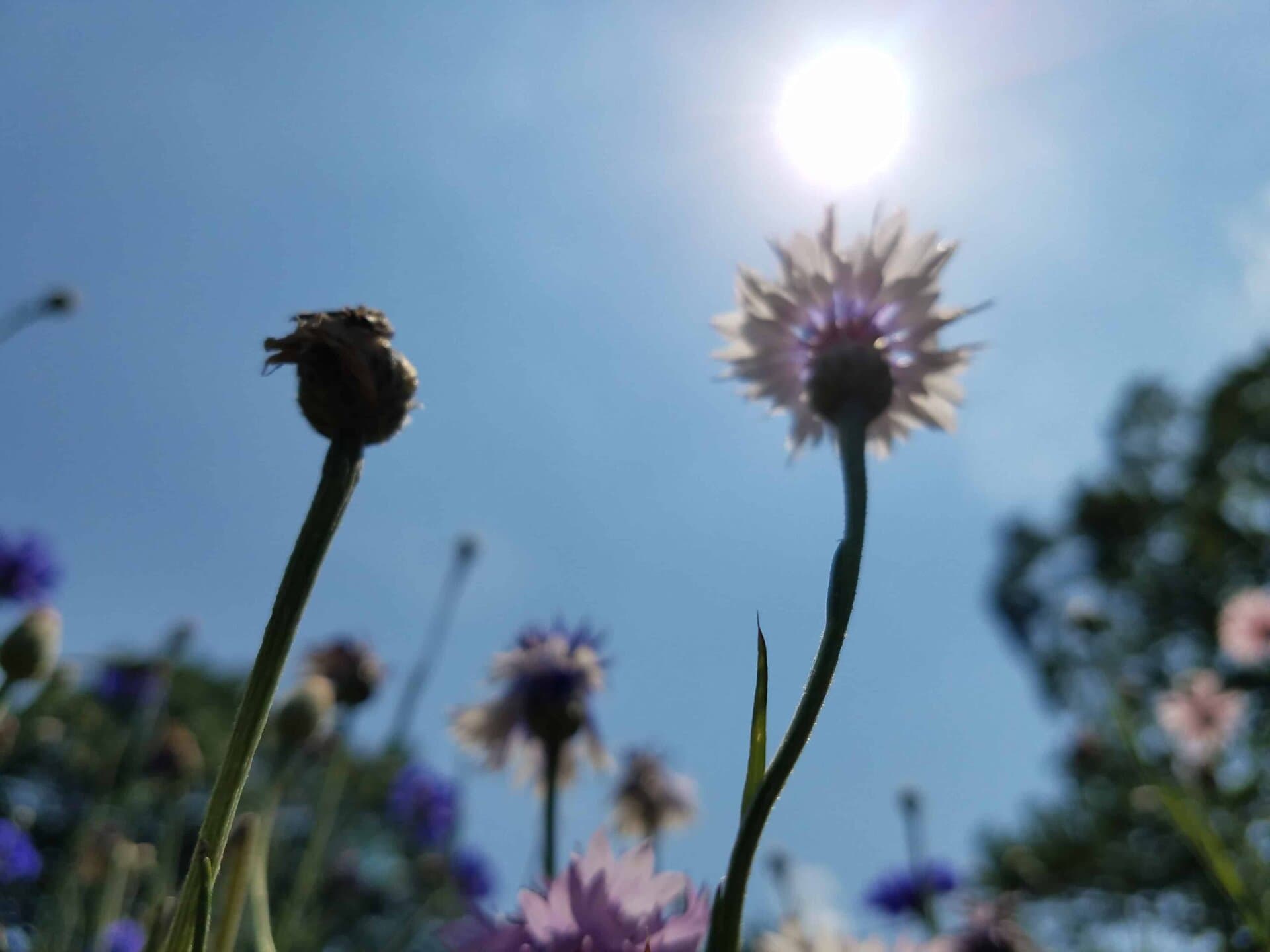
In addition to supplemental watering, flowers also require deadheading or “pinching”, and it’s not purely for aesthetic reasons.
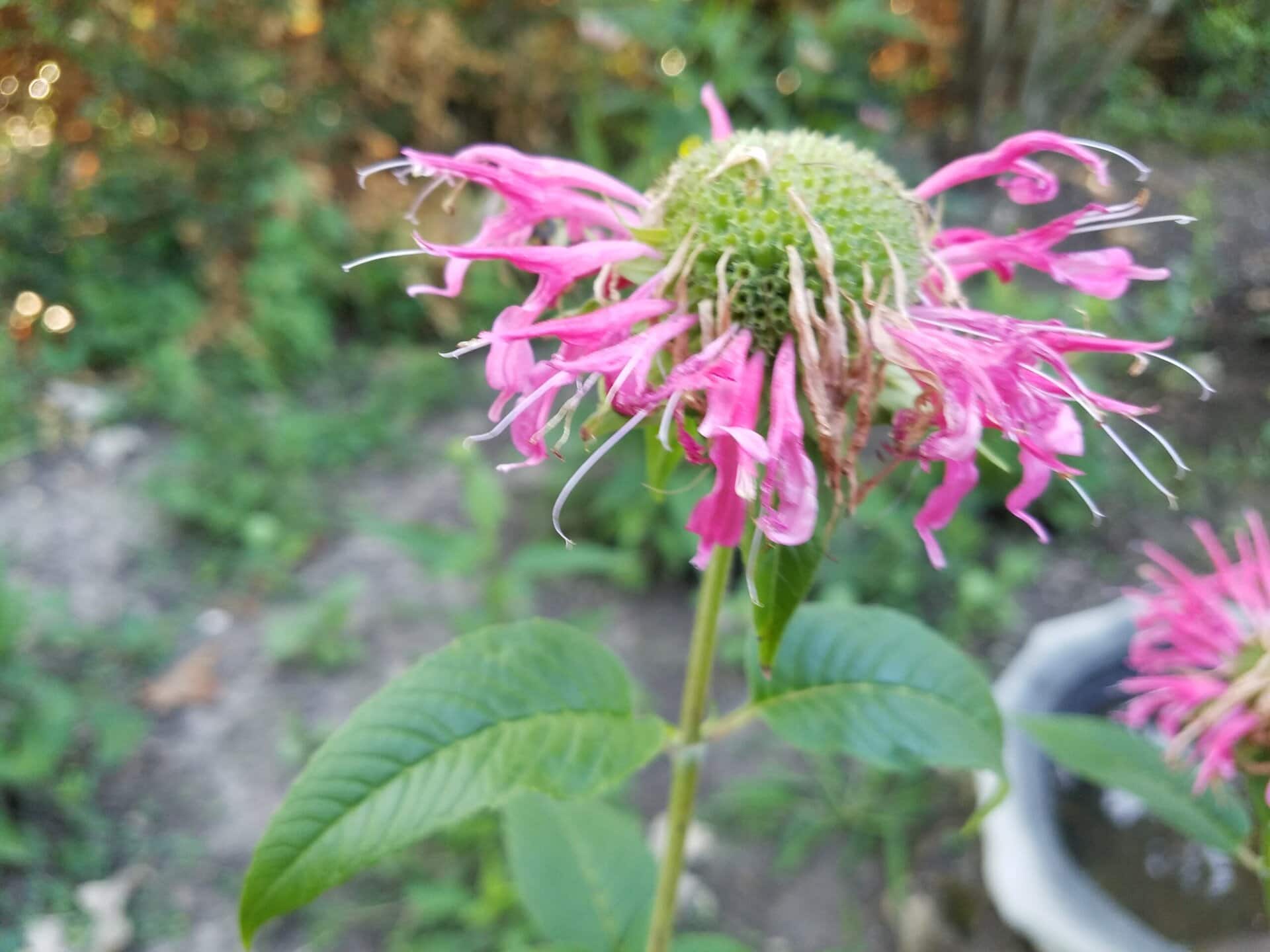
Removing spent and faded flowers helps encourage reblooming while improving the health of the foliage and preventing nuisance reseeding. Additionally, deadheading helps direct energy toward the root system, so plants are able to build food reserves for the following year. Perennials and flowering shrubs both benefit from the practice, but you need not worry about annuals.
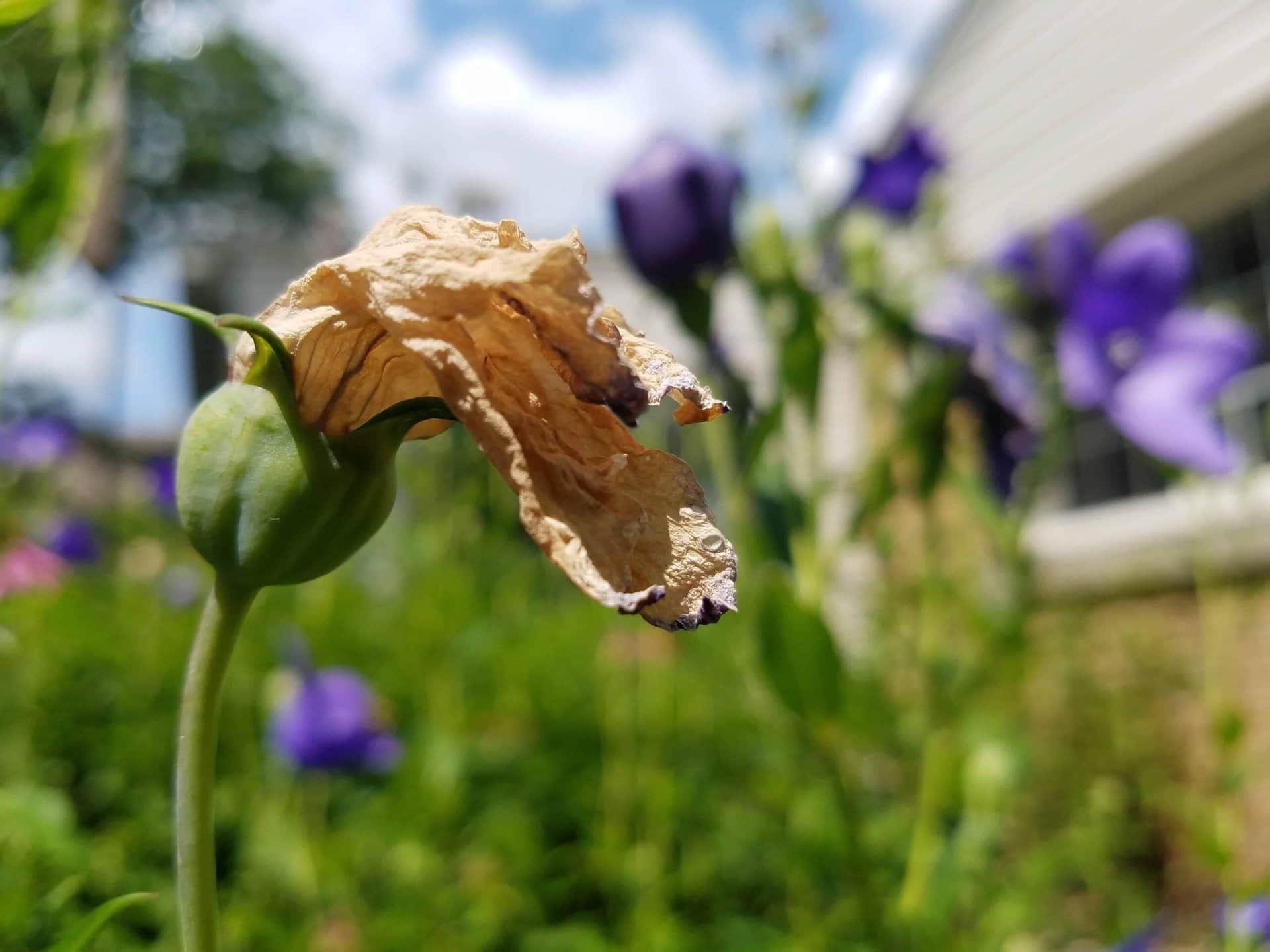
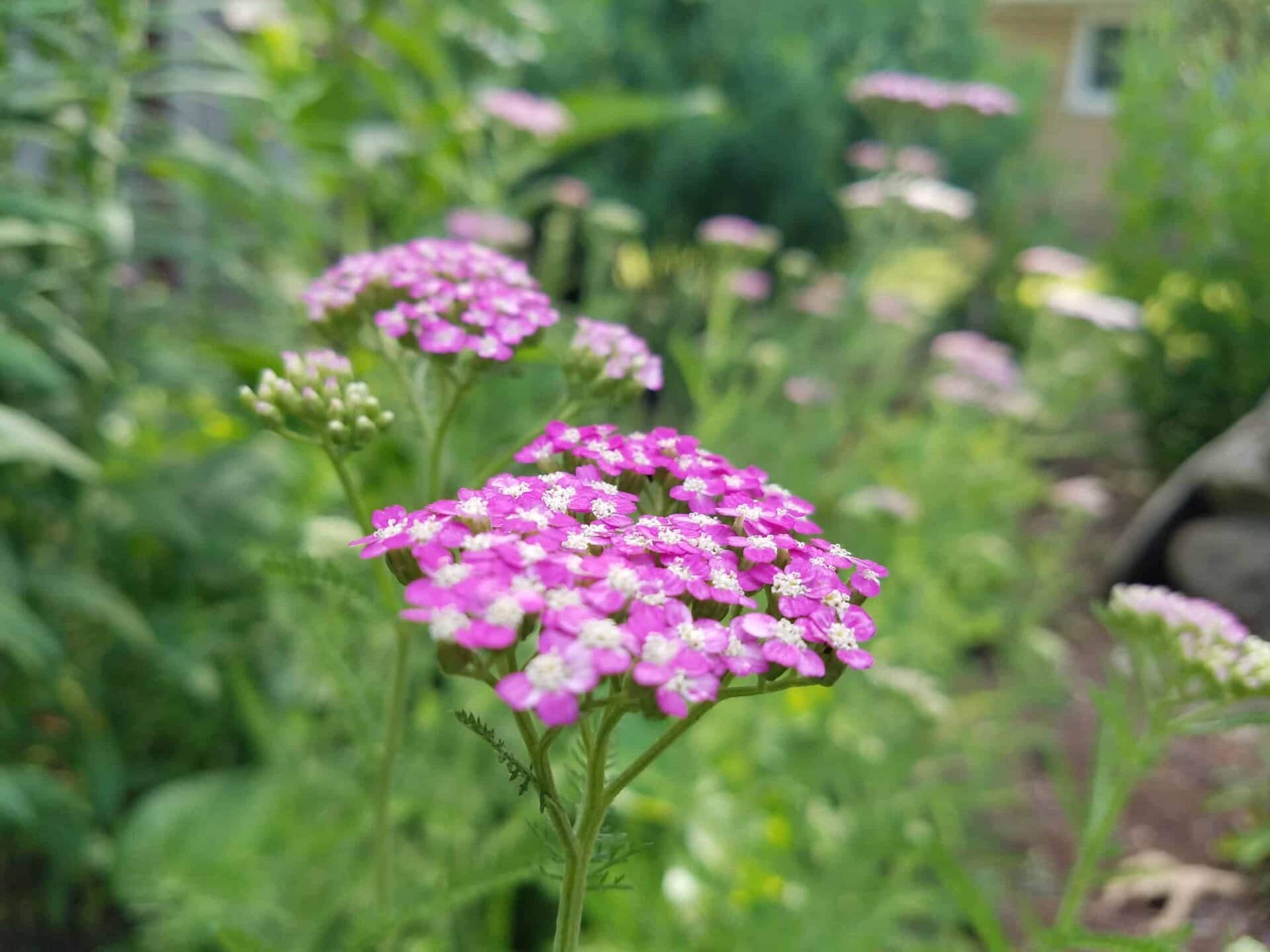
So, how does one go about deadheading? Simple. Really. Pinching or deadheading can be as simple as pinching off the faded bloom. Pinching may also involve removing the dominant bud, which can help encourage the surrounding buds. Yarrow, Balloon Flower, Veronica and Russian Sage respond well to pinching. For perennials with lots of small blooms, shearing can be done instead of trying to pinch individually. Cutting back is another viable option to help promote new, healthy foliage. For perennials with flowers at the tips of the stems, cut just below the faded flower. For plants with leafy flower stems and leaves at the base of the plant, cut back to just above the top most, unopened bud. For perennials with bare stems, cut off close to the ground.
If you’re just not sure, feel free to reach out to Sweeney’s. We’ll make sure you become a skilled and prolific deadheader. We proudly serve the communities of Villa Park, Elmhurst, Oakbrook, Oakbrook Terrace, Glen Ellyn, Lombard, Wood Dale, Itasca, and more!
Sweeney’s: A Plant Based Company
Plant of the Week
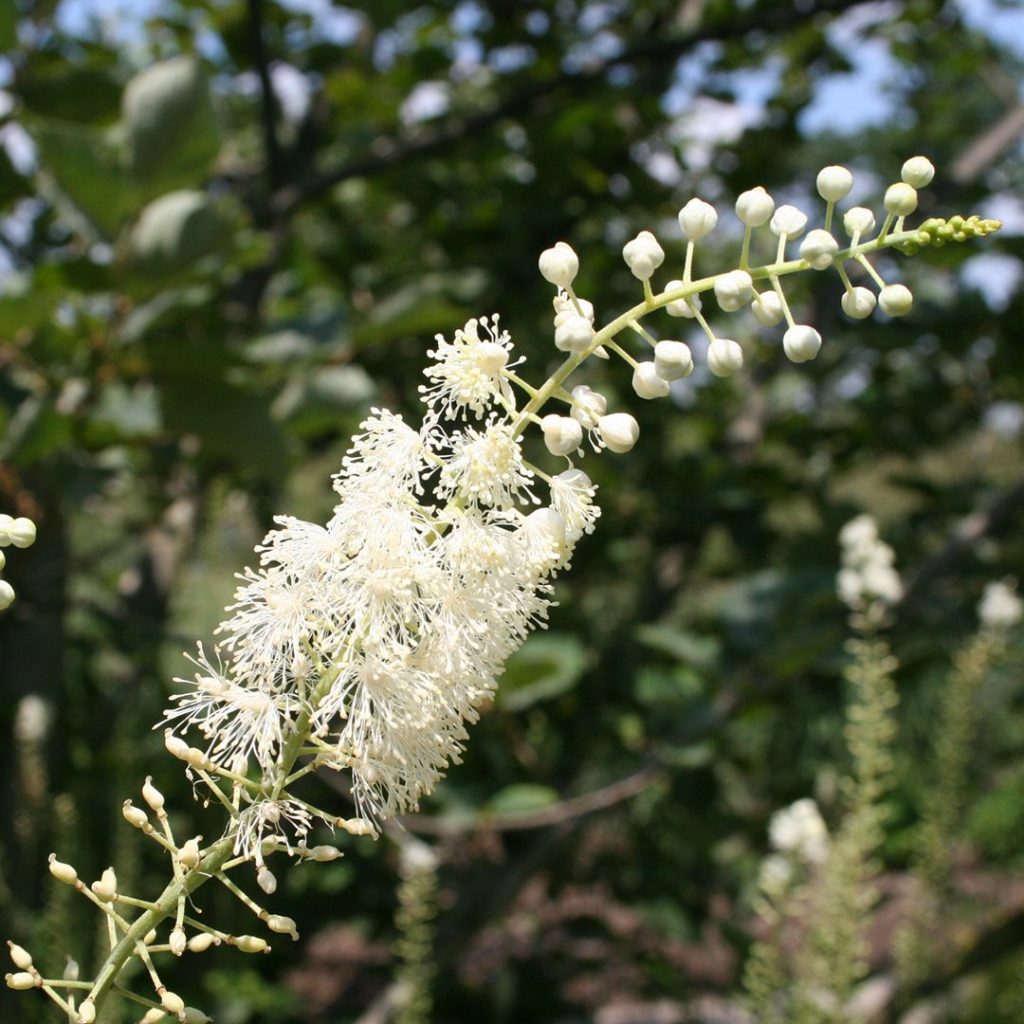
Black Snakeroot
Large, white bottle-brush flowers bloom above green foliage in late Summer. Prefers shade to partial shade, and moist soil. Grows 4-6′ tall and 3-4′ wide. Attracts butterflies and pollinators. Rabbit resistant.
“A garden requires patient labor and attention. Plants do not grow merely to satisfy ambitions or to fulfill good intentions. They thrive because someone expended effort on them.”
— Liberty Hyde Bailey
Best wishes,
Kim Sweeney