
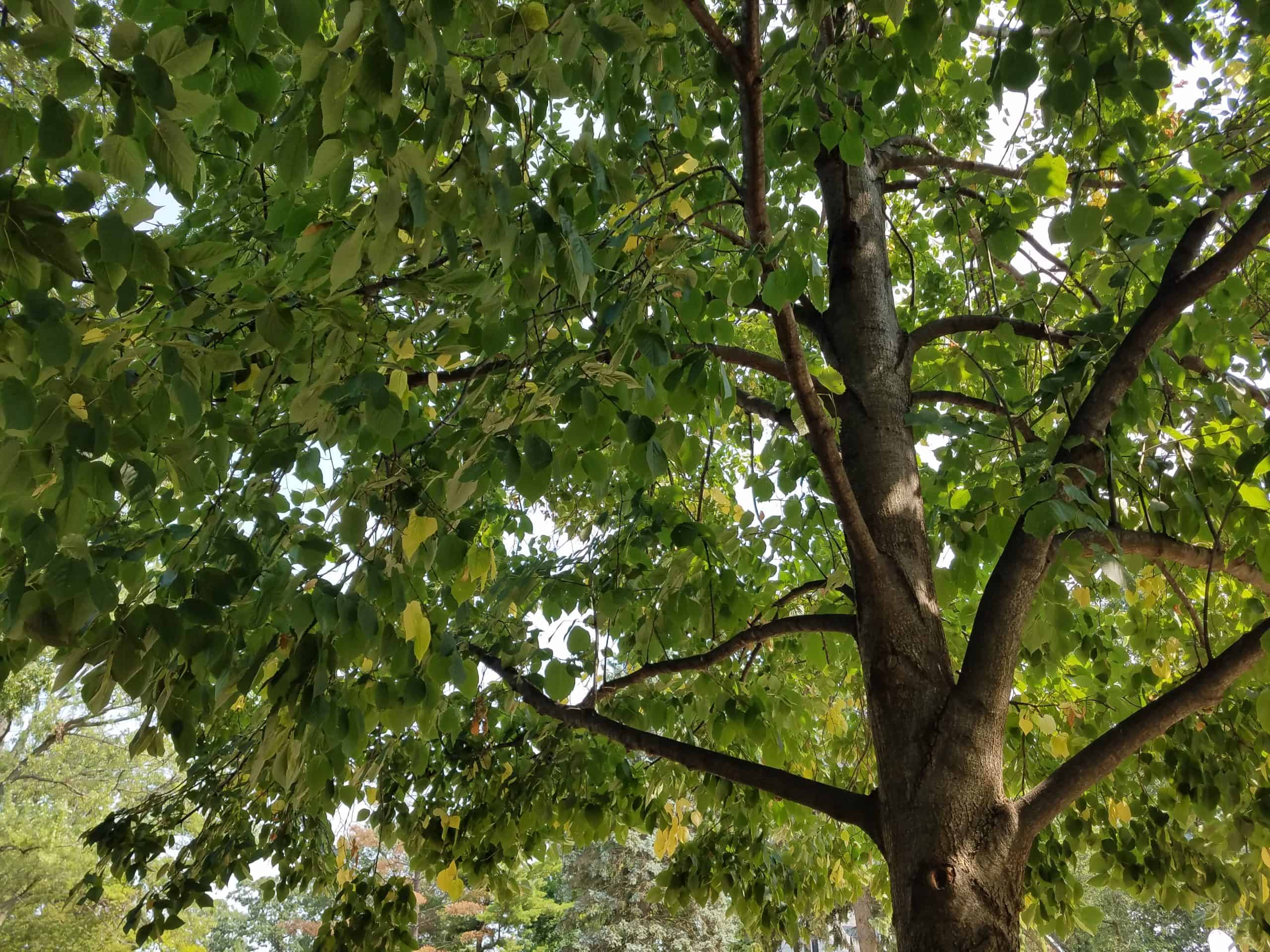
The sun dappled and danced upon the lawn as it beamed through the lush canopy. Although temperatures have been mostly mild, the sun is still a major factor in our yards and gardens, even if we don’t always feel her warmth. In fact, it is the most essential element in which all plants need to survive, but some need more and others less. What does this all mean, and why?
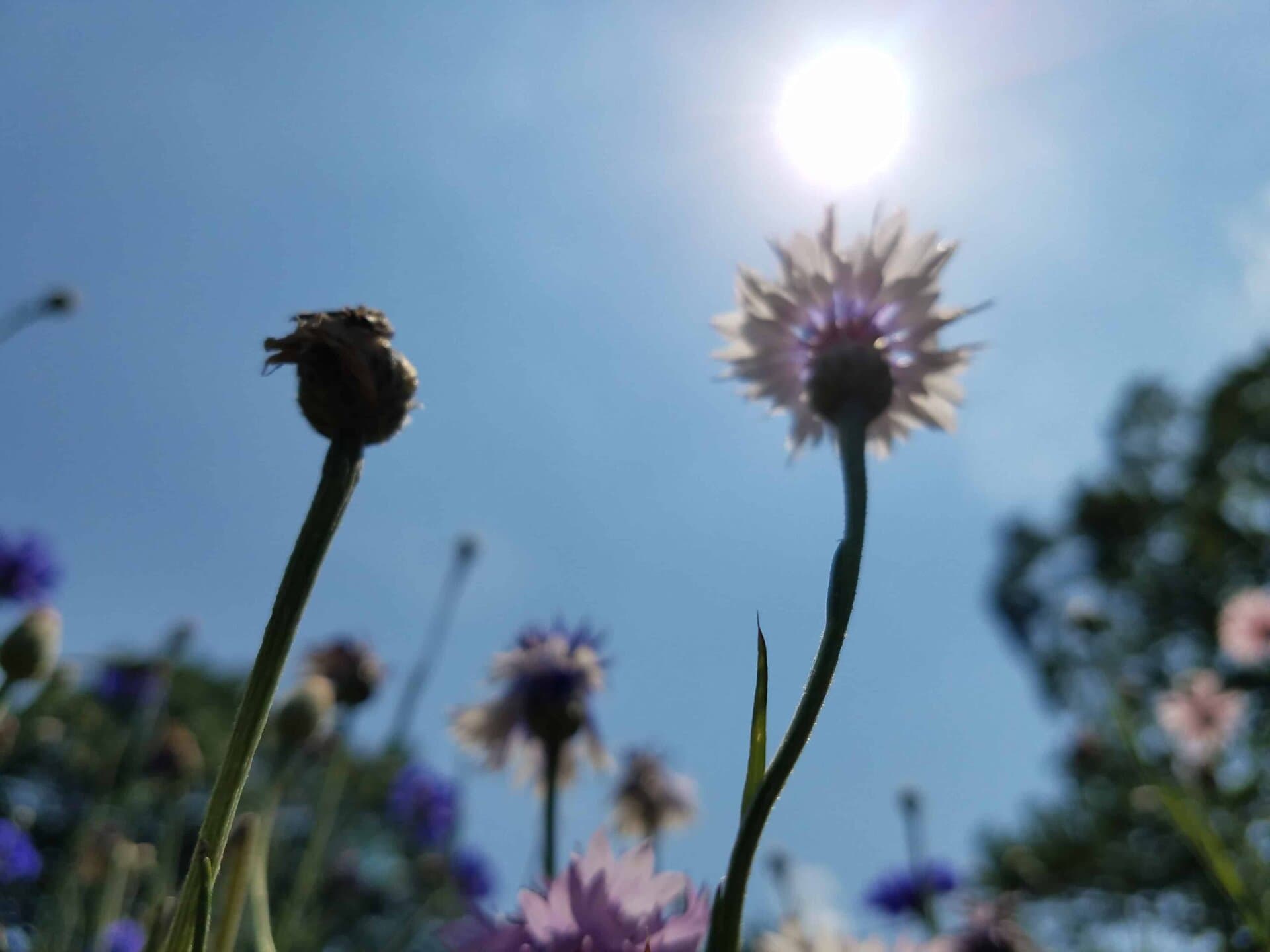
When planting perennials, annuals, shrubs, etc. it is imperative that we site them correctly. This means planting them in an area that meets their needs, so they can grow and flourish. Again, one of the most important factors is the amount of sun, and in some cases, the lack thereof. Many plant labels will contain the following requirements:
Full Sun: 6 or more hours of direct sunlight daily.
Partial Sun: 4-6 hours of direct sunlight daily, including afternoon sun.
Partial Shade: 4-6 hours of direct sunlight daily, mostly before afternoon.
Full Shade: 4 hours or less of direct sunlight daily.
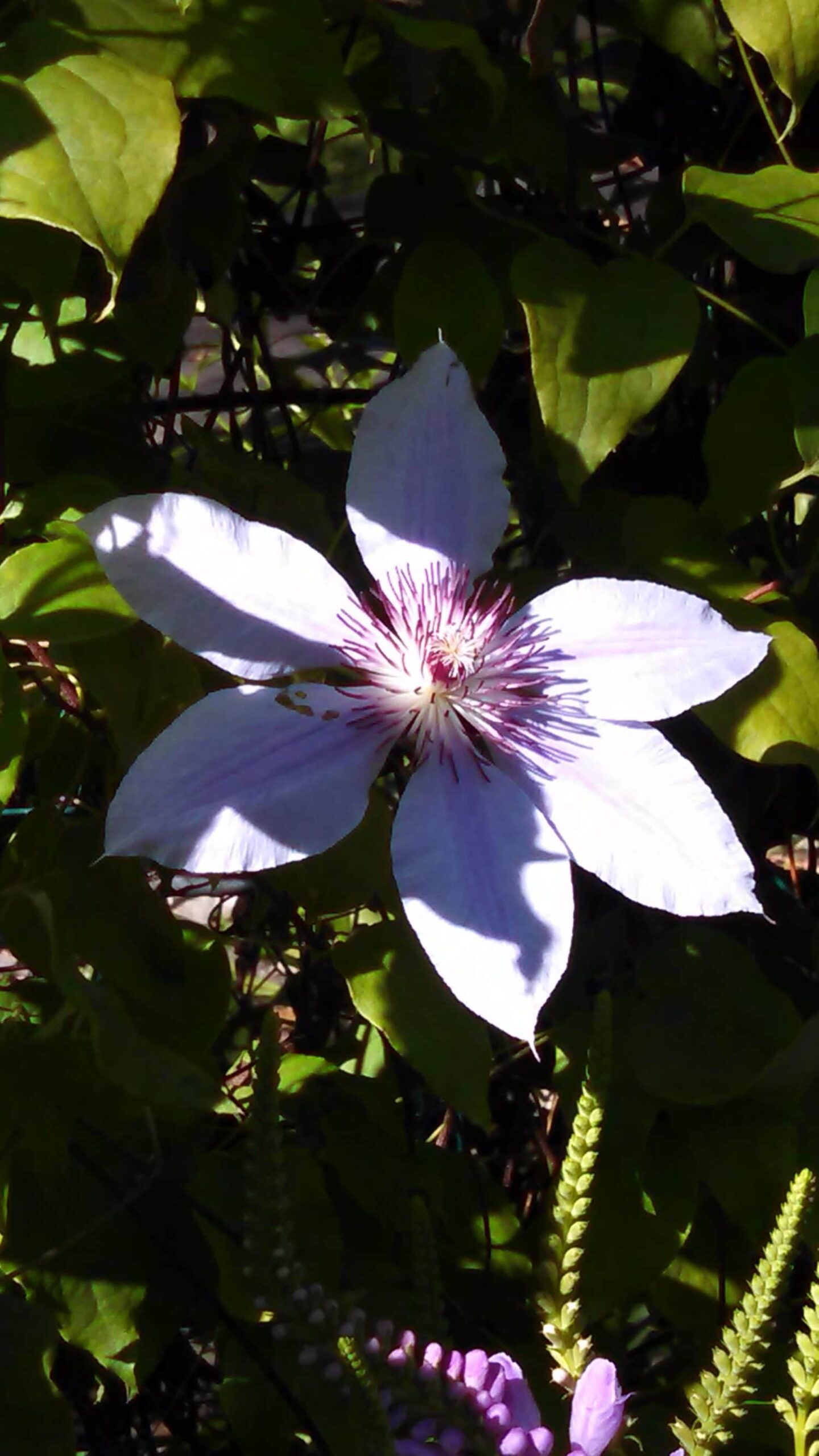
Full sun and full shade seem pretty straightforward, but partial sun and partial shade can certainly be a bit confusing. Partial sun and partial shade differ in terms of the sun’s intensity. Generally speaking, the sun is most intense in the afternoon, and less intense in the morning. To add insult to injury, some plant labels may even give a range of “full sun to partial sun” or full shade to partial shade”. Basically, this means the plant will tolerate a little less sun or a little less shade, but will often be more prolific in “full sun” or “full shade”.
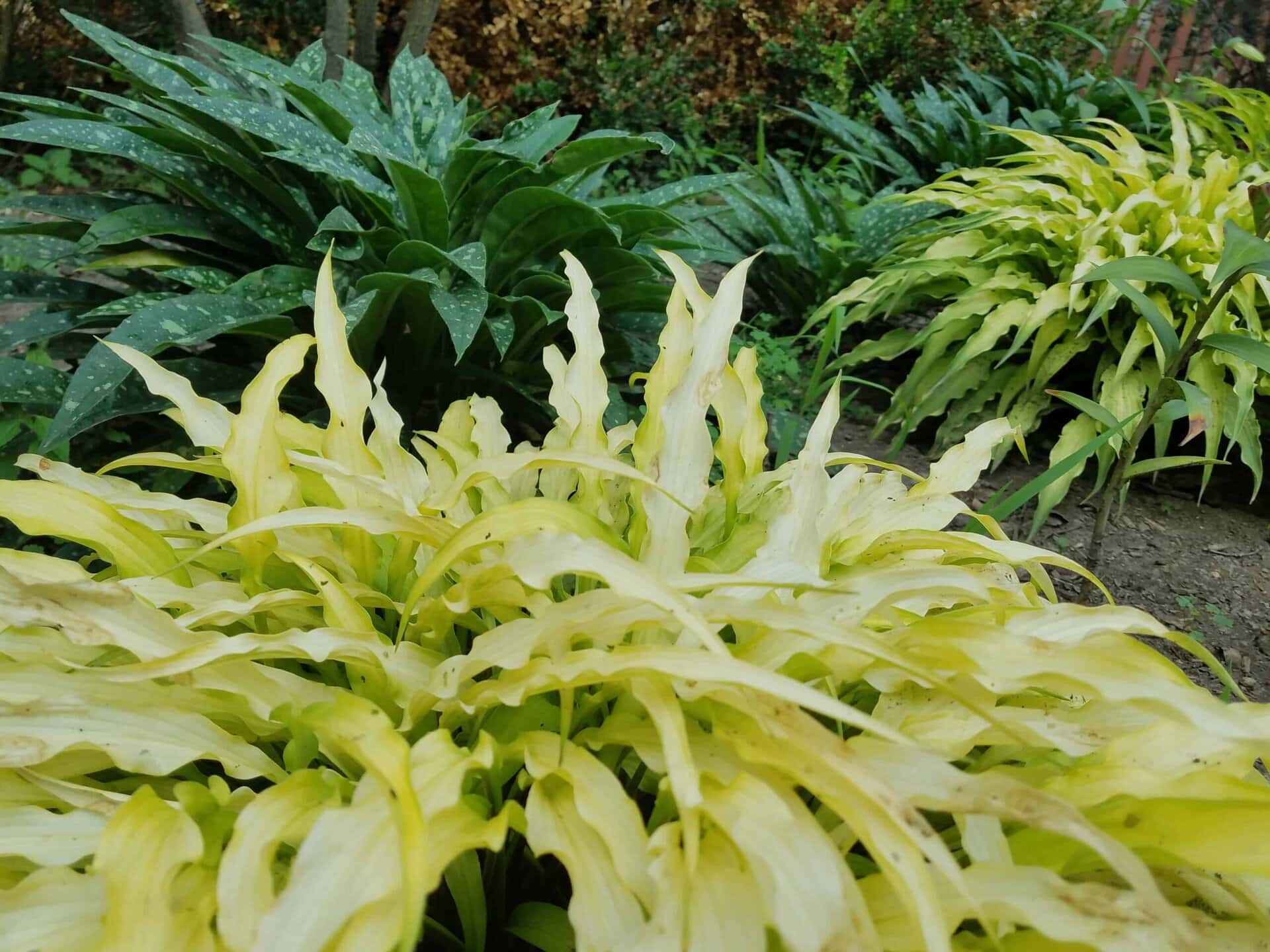
To help determine how much sunlight or shade any particular part of your yard receives, you can utilize a light meter, or more realistically and less expensive, simply observe your yard at different points throughout the day, for several days, and make notes on the amount of sun or shade.
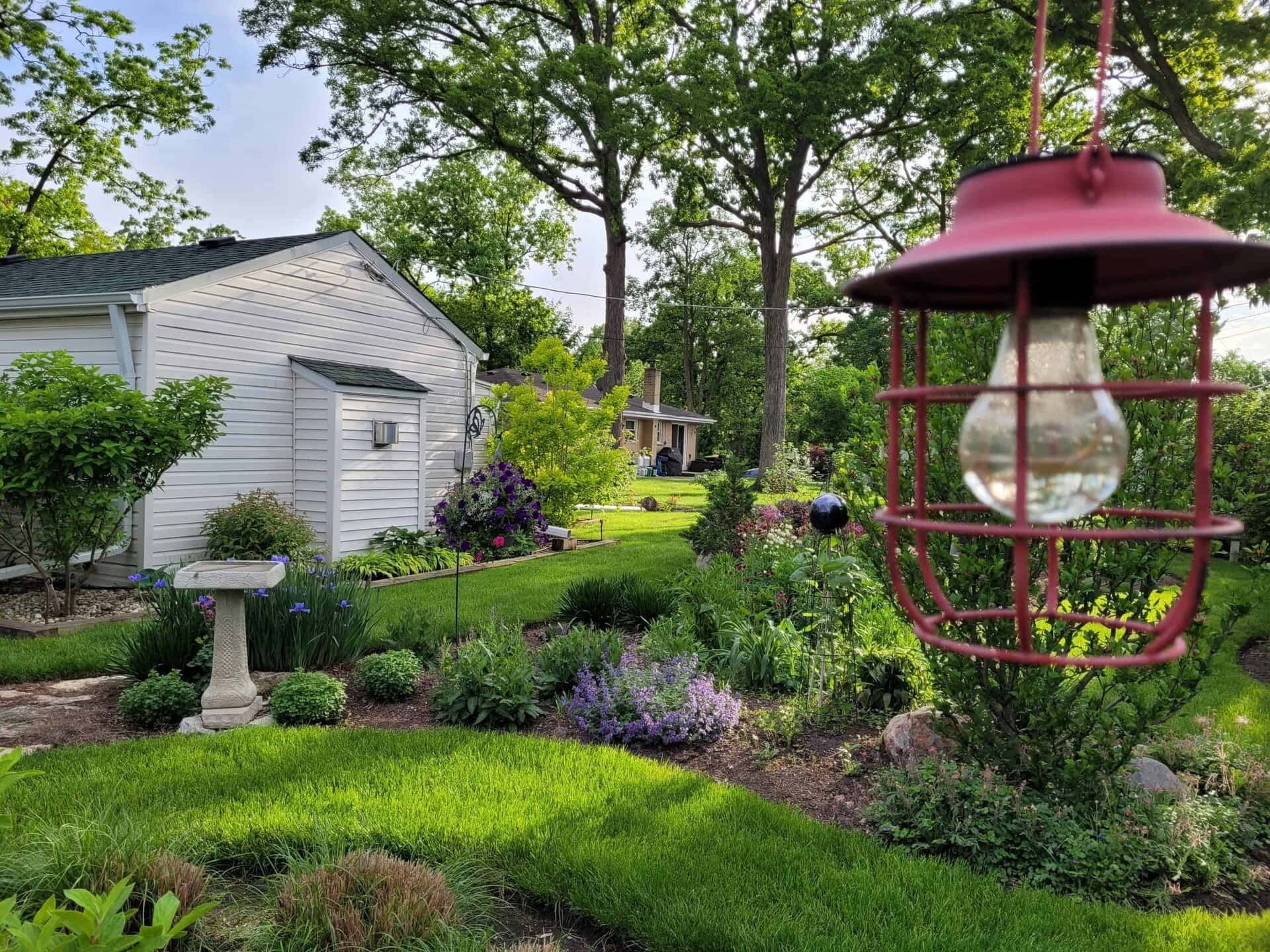
With a better understanding of light requirements, you should be able to site and keep your plants happy. It’s also helpful to know how much sun or shade your yard receives, so you can purchase plants that will flourish. Need help determining how much sun or shade your yard receives? Need assistance in finding plants that will grow in specific environments? Reach out to Sweeney’s. We’ll help light the way! We proudly serve the communities of Villa Park, Elmhurst, Oakbrook, Oakbrook Terrace, Glen Ellyn, Lombard, Wood Dale, Itasca, and more!
Sweeney’s: A Plant Based Company
Plant of the Week
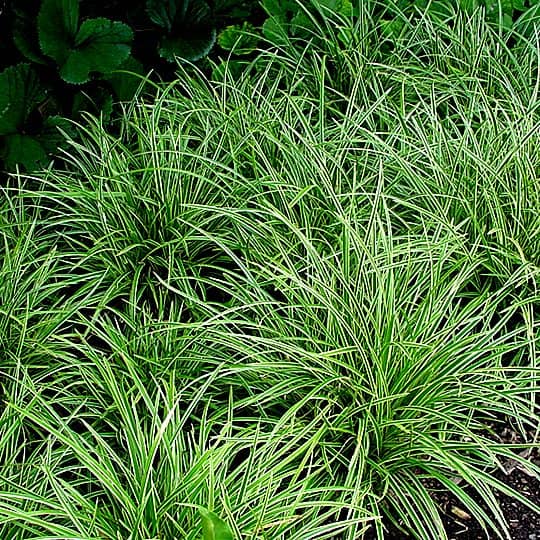
Ice Dance Sedge
Mounded, slender bright green leaves with crisp white margins create a dense mat of foliage. Prefers shade to partial shade, and moist, well-drained soil. Grows 8-12″ tall and 12-18″ wide. Semi-evergreen. Drought tolerant once established. Works well as a groundcover.
“If I had to choose a religion, the sun as the universal giver of life would be my god.”
― Napoleon Bonaparte
Best wishes,
Kim Sweeney