
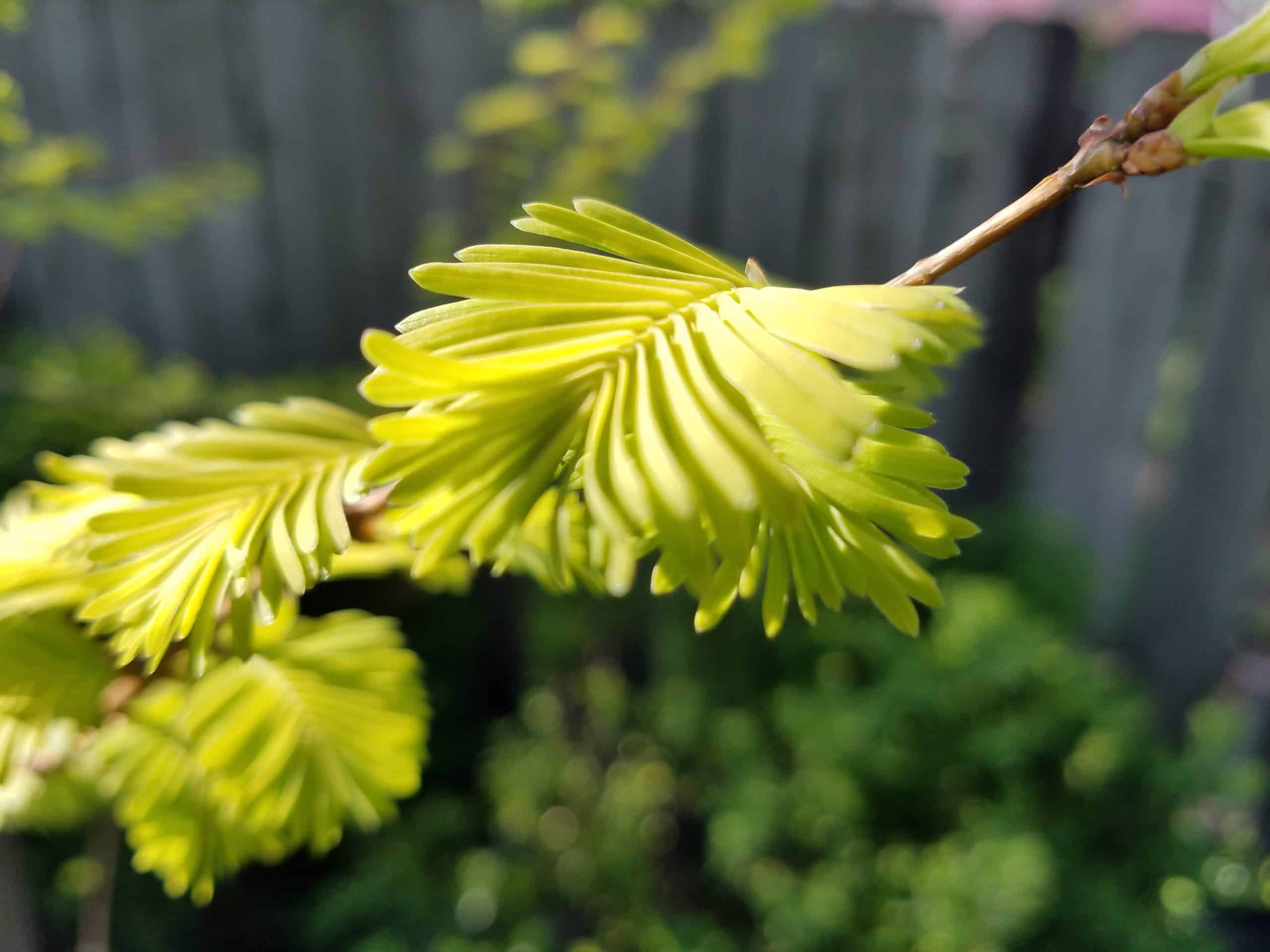
The air was slight and gauzy one day, and leaden and damp the next as Spring fought to get a foot hold. Nevertheless, trees were beginning to leaf out as spring ephemerals faded, and plants were pushing forth green shoots and buds. Unfortunately, weeds were only too quick to follow.
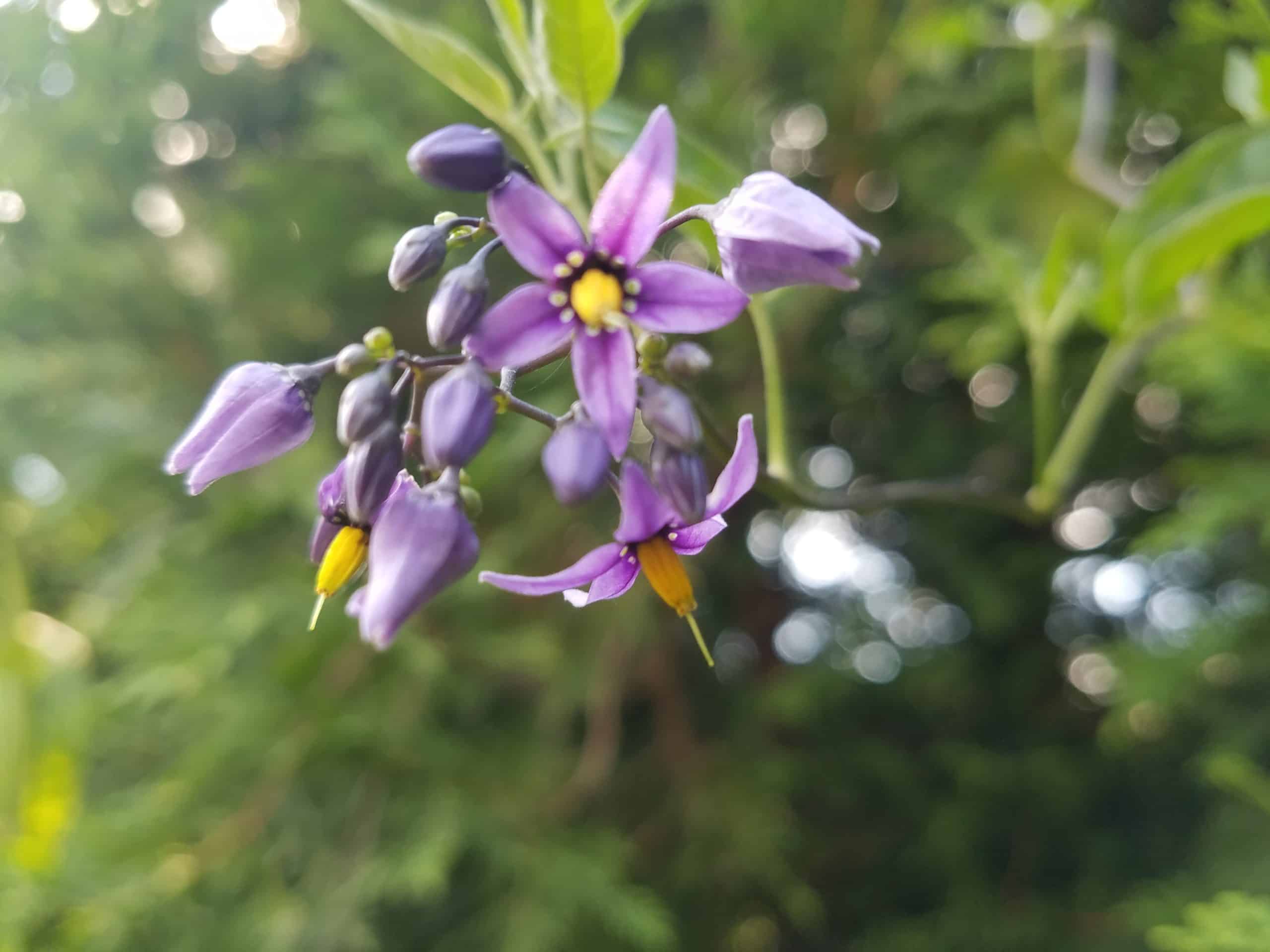
Weeds are a clever, albeit a constant annoyance, and can be a thorn in the side of any gardener, but they can also offer clues as to the type and quality of soil at hand. Armed with this knowledge, we can begin to manage their growth, amend our soil as needed, and/or choose plants that exploit the soil we have.
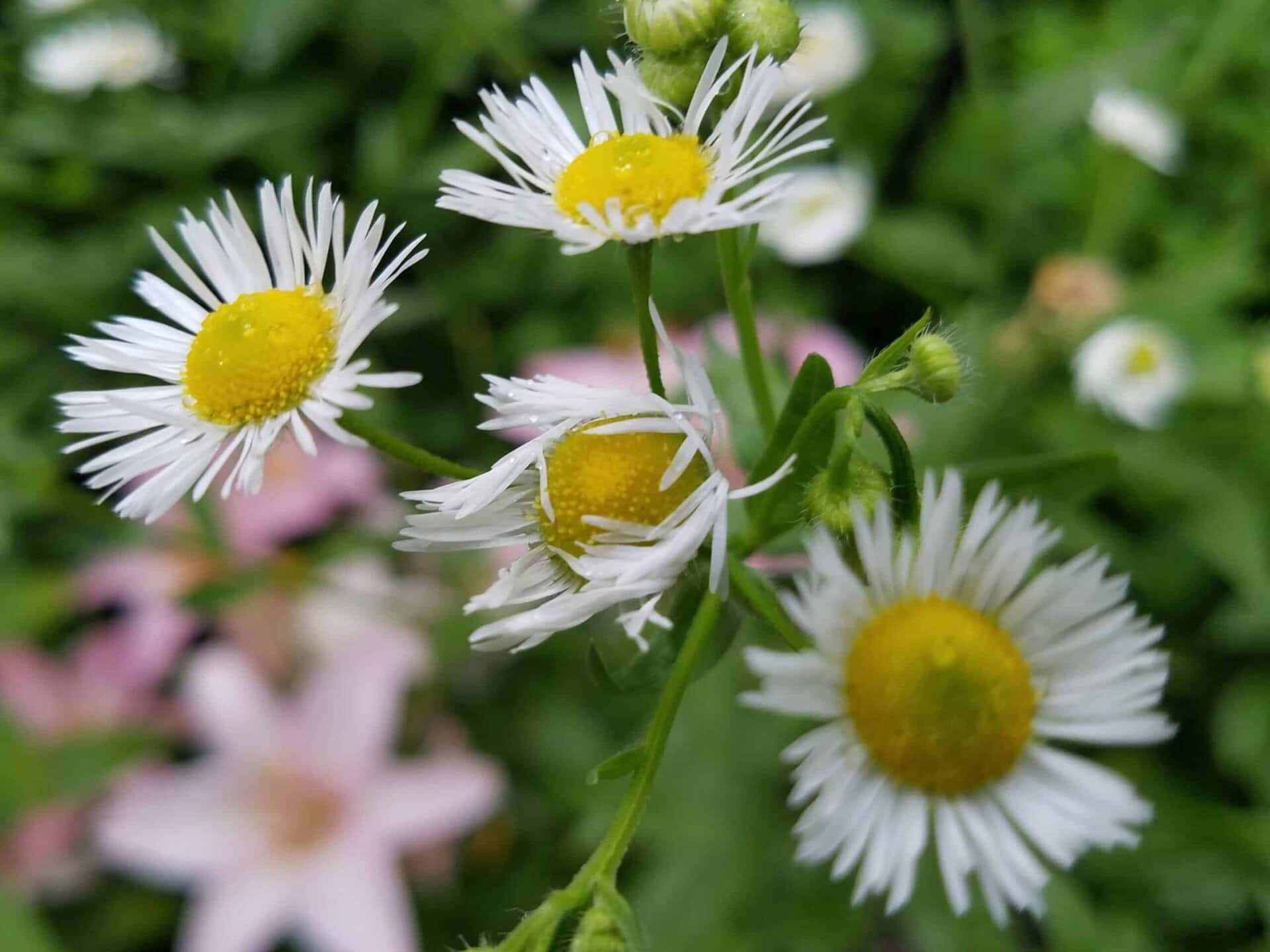
Acidic Soil
Dandelions, Stinging Nettle, Curly Dock, Hawkweeds, Plantain, Wild Radish, Sow Thistle, and Oxeye Daisy can all be indicators of acidic soil. Acidic soils have a pH below 7. Consider planting Azalea, Endive, Hydrangea, Rhubarb, Rhododendron and Shallot. Lime can be added to raise the soil’s pH to a desirable range. Many plants prefer a slightly acidic soil, so a soil test may be needed to determine the level of acidity, and the amount of lime needed.
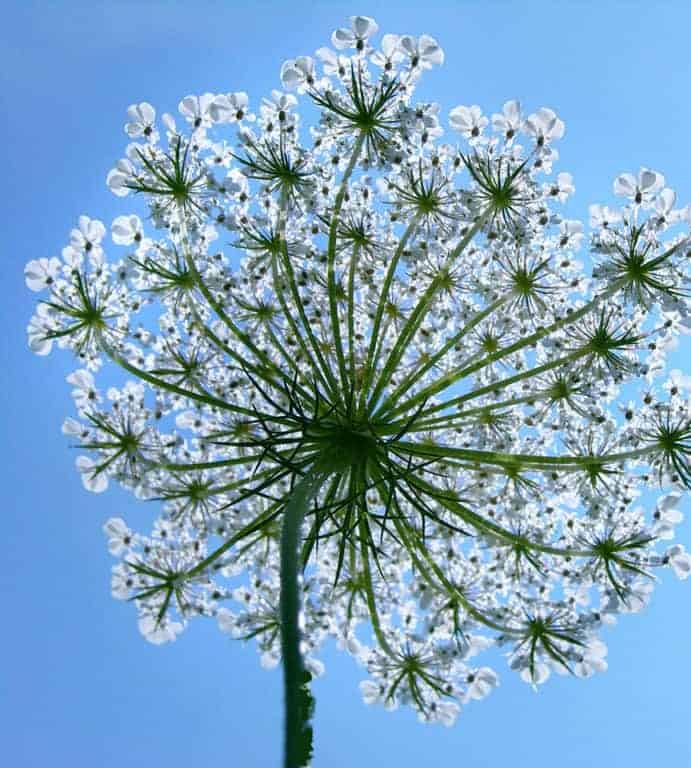
Alkaline Soil
Queen Anne’s Lace, Bellflower, Goosefoot, White Mustard, Pennycress, Stinkweed, and Nodding Thistle can indicate an alkaline soil. Alkaline soils have a pH above 7. Sulfur can be added to lower the soil’s pH, but a soil test will determine the exact amount. Consider planting Asparagus, Beets, Lettuce, Onions and Spinach as they all do well in alkaline soils.
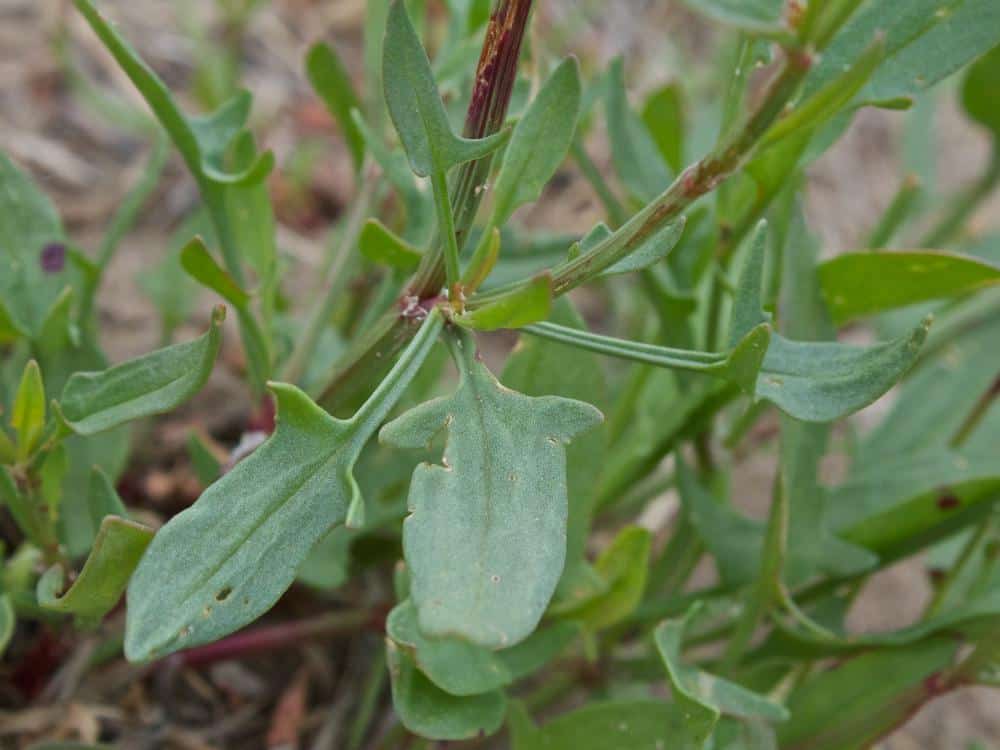
Poor/Depleted Soil
Dog Fennel, Wild Radish, Sheep Sorrel, and Wild Parsnip can indicate poor, depleted soils. Consider planting Beans, Carrots, Peas, Sage, and Thyme. The soil can also be amended with organic fertilizers, and then maintained with compost and cover crops.
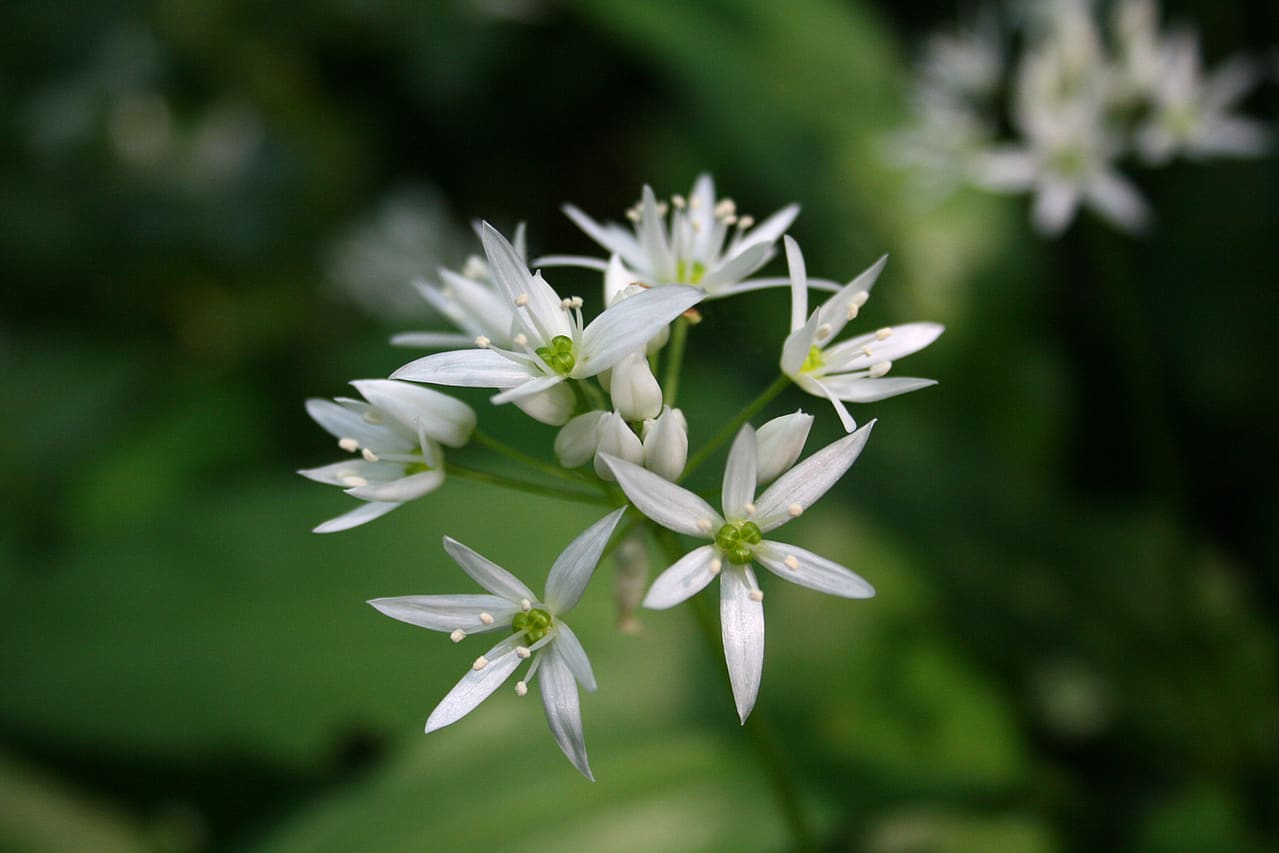
Heavy Clay Soil
Heavy or clay soils may have Chicory, Creeping Buttercup, English Daisy, Mayweed, Milkweed, and Wild Garlic. Many plants have a difficult time growing in heavy, clay soils as drainage and lack of nutrients are major issues. Consider planting Aster, Daylilies, Fountain Grass, Forsythia, Hydrangea, or Purple Coneflower.
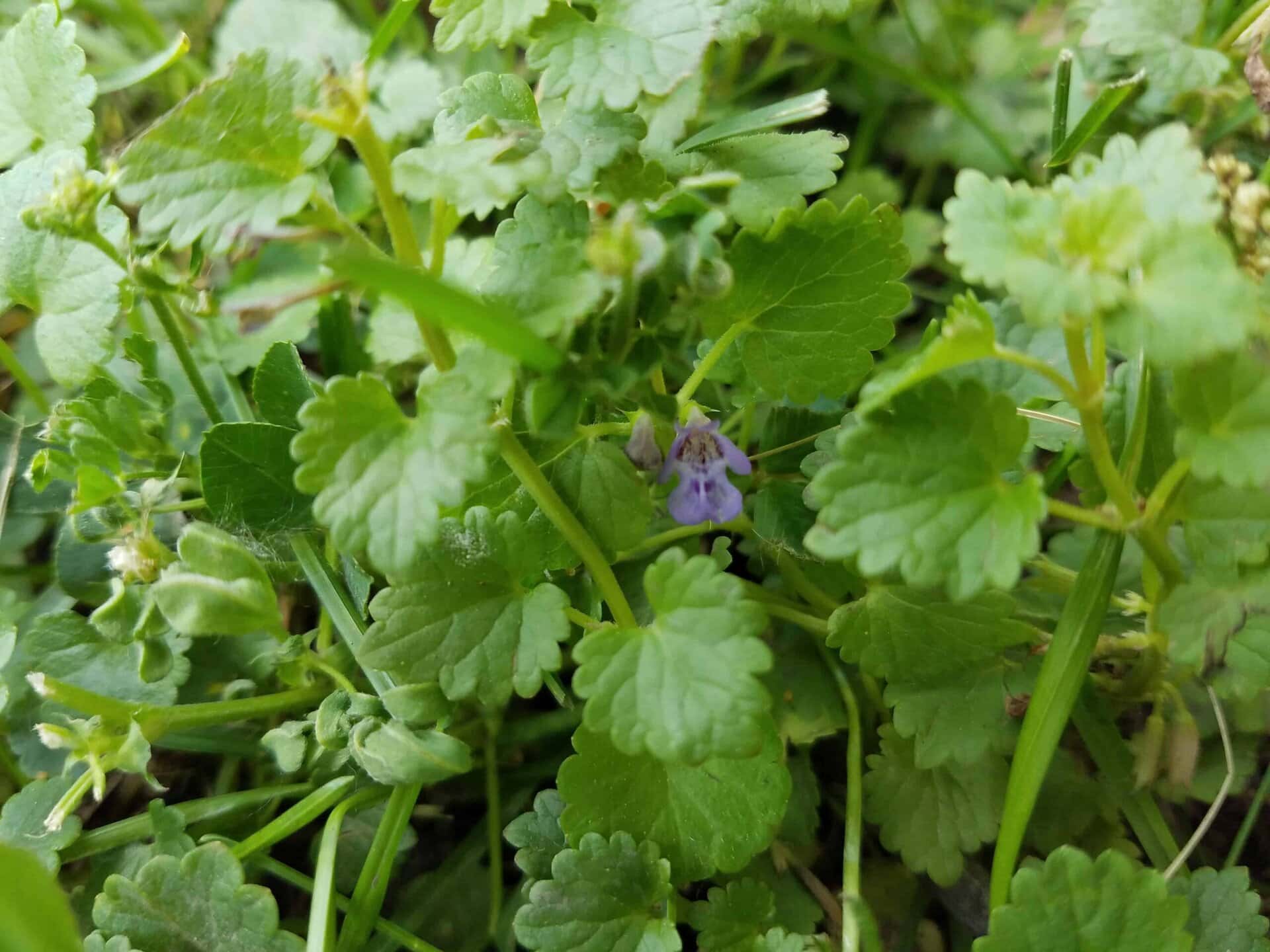
Wet Soil
Wet, poorly drained soil invites Canada Goldenrod, Cattail, Violets, Yellow Nutsedge, Marsh Mallow, and Ragwort. Moss, Foxtails, Horsetail, Knotweed, Chickweed, and Sedge may indicate swampy conditions. Look to moisture loving plants, like Turtlehead, Joe-Pye Weed, Ligularia, Ribbon Grass, and Cardinal Flower.
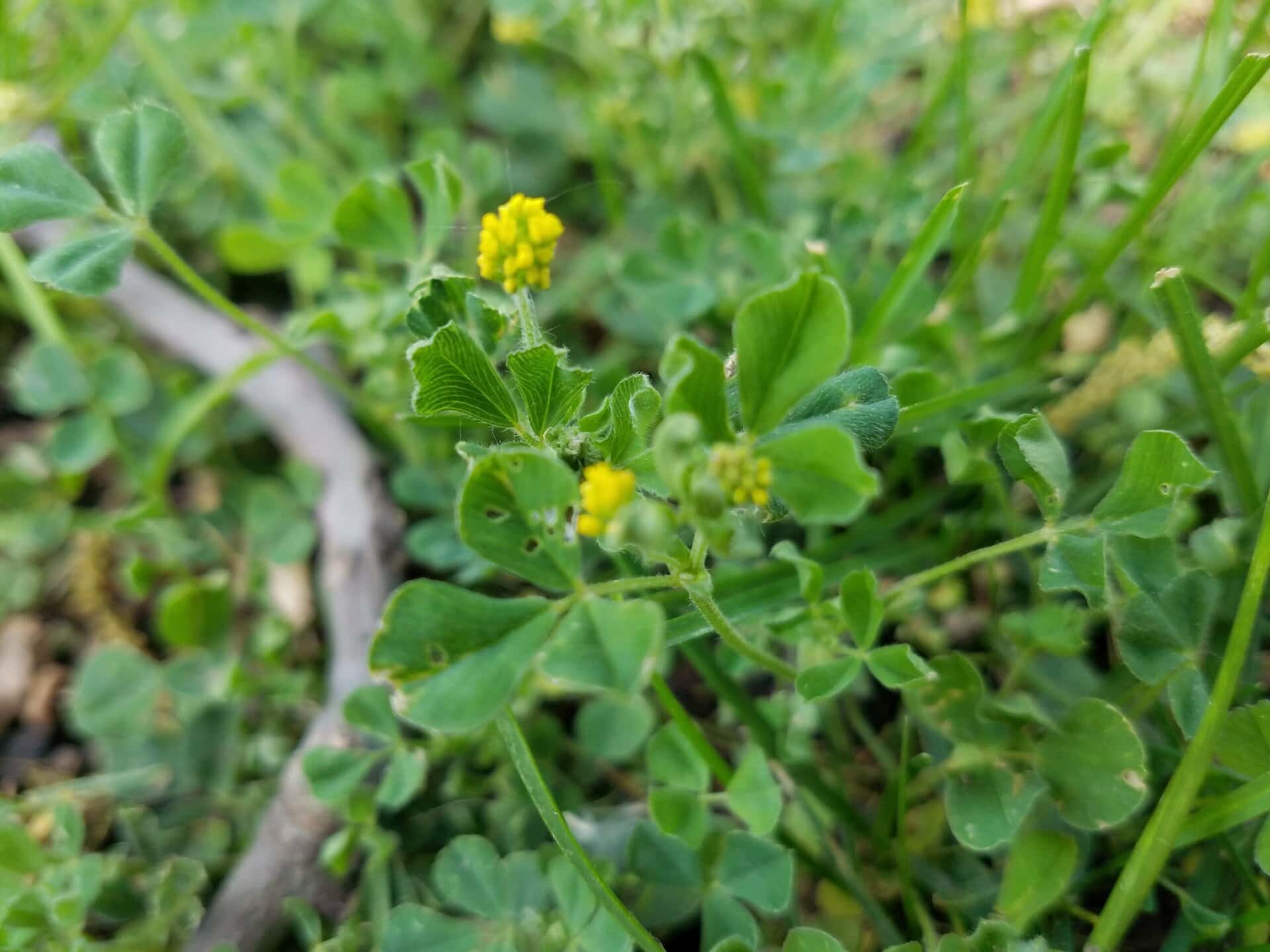
Dry Soil
Consistently dry soil can yield Black Medic, Red Sorrel, and Carpet Weed. Consider planting drought tolerant plants, like Chives, Lavender, Coreopsis, and Russian Sage.
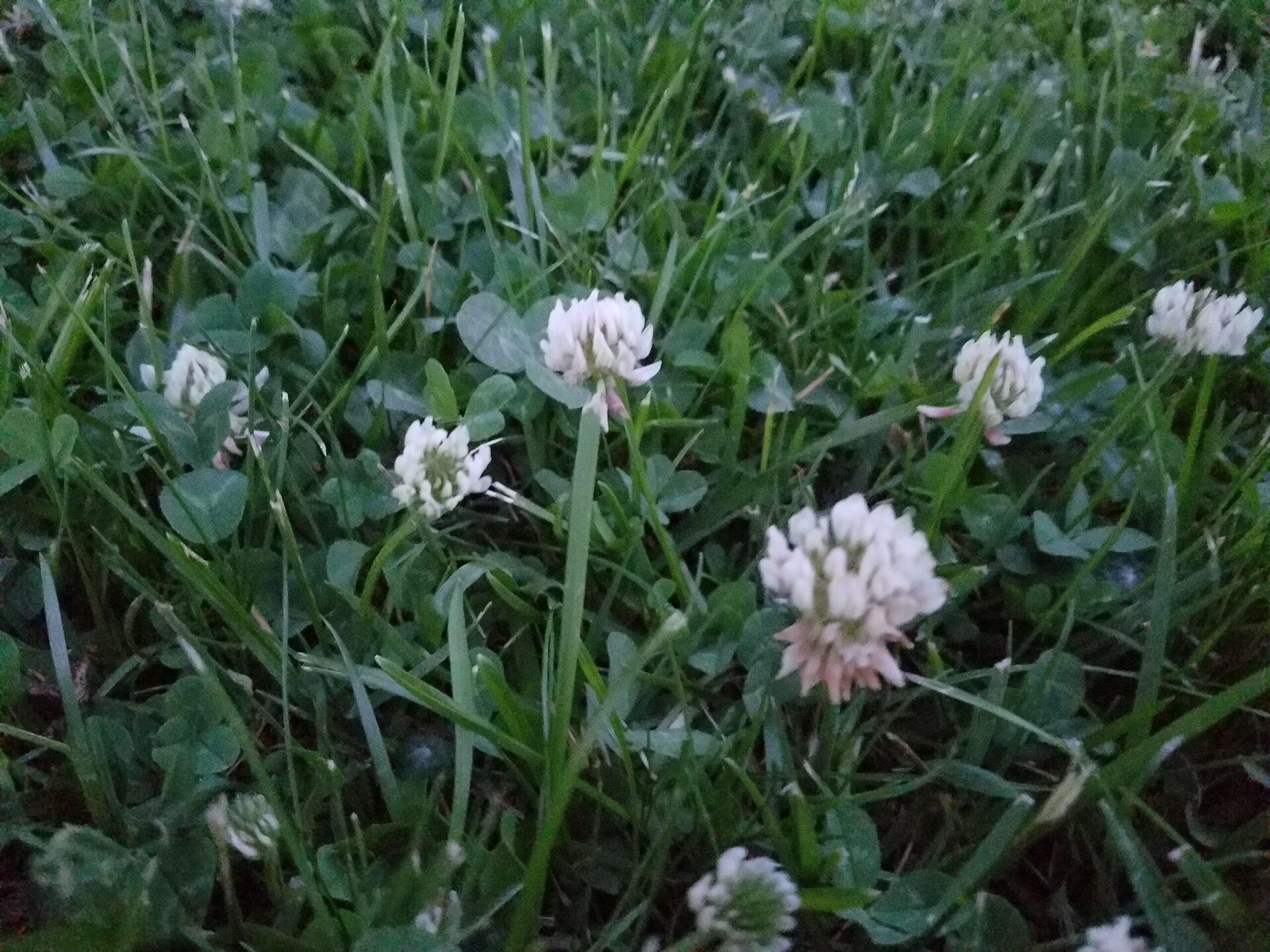
Because some weeds are prevalent in a variety of soil conditions, it’s important to observe several of the most dominant types of weeds present. Some weeds will grow in almost all soil types, so they should not be used as reliable indicators of soil. Again, look to more than just one type of weed, their preferred soil conditions, and you should be able to determine the soil type. Once the issue has been defined, soil amendments can be made, and/or plants can be added that thrive in the given conditions.
When it comes to eliminating weeds, some lawn weeds can be prevented by simply maintaining a healthy, lush lawn through proper lawn management. Some weeds can be manually removed while many require herbicides for both lawn and garden. Reach out to Sweeney’s, and we can help identify your weed/soil issues while devising a program for a weed free garden and lawn. We proudly serve the communities of Villa Park, Elmhurst, Oakbrook, Oakbrook Terrace, Glen Ellyn, Lombard, Wood Dale, Itasca, and more!
Sweeney’s: A Plant Based Company
Plant of the Week
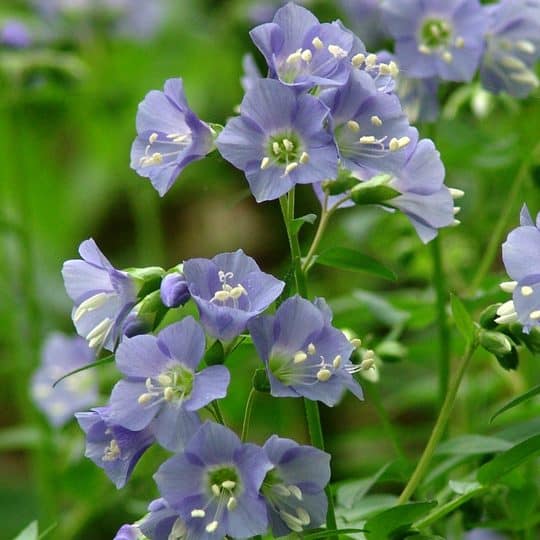
Jacob’s Ladder
Clusters of blue, bell-shaped flowers bloom early Spring – early Summer above fern-like foliage. Prefers shade to partial shade and moist, well-drained soil. Grows 8-12″ tall and 18-24″ wide. Attracts wildlife, butterflies, and other pollinators. Deer resistant. Woodland wildflower.
“When people will not weed their own minds, they are apt to be overrun by nettles.”
~Horace Walpole
Best wishes,
Kim Sweeney