
Dense and saturated, the air made laborious every breath, every movement in its crushing heft. Thick with ill intent, the humidity seemed to conspire with gravity, dragging us down into the quick sand of early Summer. Wilted and withered, nightfall seemed a welcome relief until the mosquitoes made their debut. An impossibly inhumane day became an increasingly uncomfortable night as we became fodder for the blood thirsty.
Mosquitoes are undeniably one of the most irksome creatures on earth, and second only to stifling humidity, they can ruin a perfect Summer’s eve quicker than you can say “Deet”.
Mosquitoes, however, are more than one trick, annoying ponies. In fact, we should truly only hate half of them for half their little lives. Only the females bite in search of a blood meal, and they only do so when producing eggs. Male mosquitoes never bite, so the males and females when not feasting on humans, look to nectar to sustain themselves.
Because mosquitoes feed on nectar, they are apt to pick up a bit of pollen here and there. And when flying from one plant to another to satiate their appetites, they’re actually pollinating! Yes, mosquitoes can be useful.
In fact, there are a few species of Orchids that many scientist feel rely on the mosquitoes’ ability to pollinate, but for the most part, they are not prolific nor particularly important in the pollination of most plants, but the point is, they do have a purpose, other than ruining our Summers.
Mosquitoes are boundless breeders, and lay their eggs in water. Very little water is required, so it’s recommended to rid your yard of any standing, stagnant water. Bird baths, fountains and other water features should be cleaned regularly while employing proper mosquito abatement techniques.

Although a nuisance, mosquitoes do serve some purpose. Reach out to Sweeney’s for more ways to manage their populations, like proper lawn and garden maintenance.
Plant of the Week
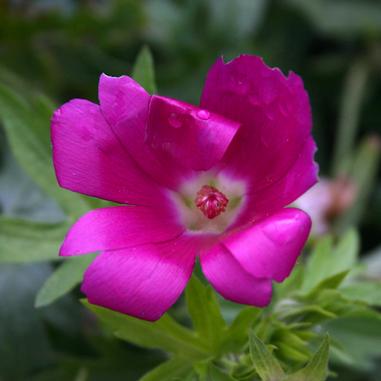
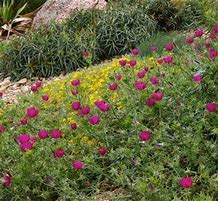
Purple Poppy Mallow
Masses of cup-shaped, magenta flowers bloom on trailing, deeply lobed foliage June – August. Prefers full sun and dry soil. Grows 8-12″ tall and 24-36″ wide. Works well as a groundcover or in rock garden or draped over a wall. Drought tolerant. Attracts pollinators, butterflies and wildlife.
“Anyone who thinks that they are too small to make a difference has never tried to fall asleep with a mosquito in the room.”
-Christie Todd Whitman
Best wishes,
Kim Sweeney