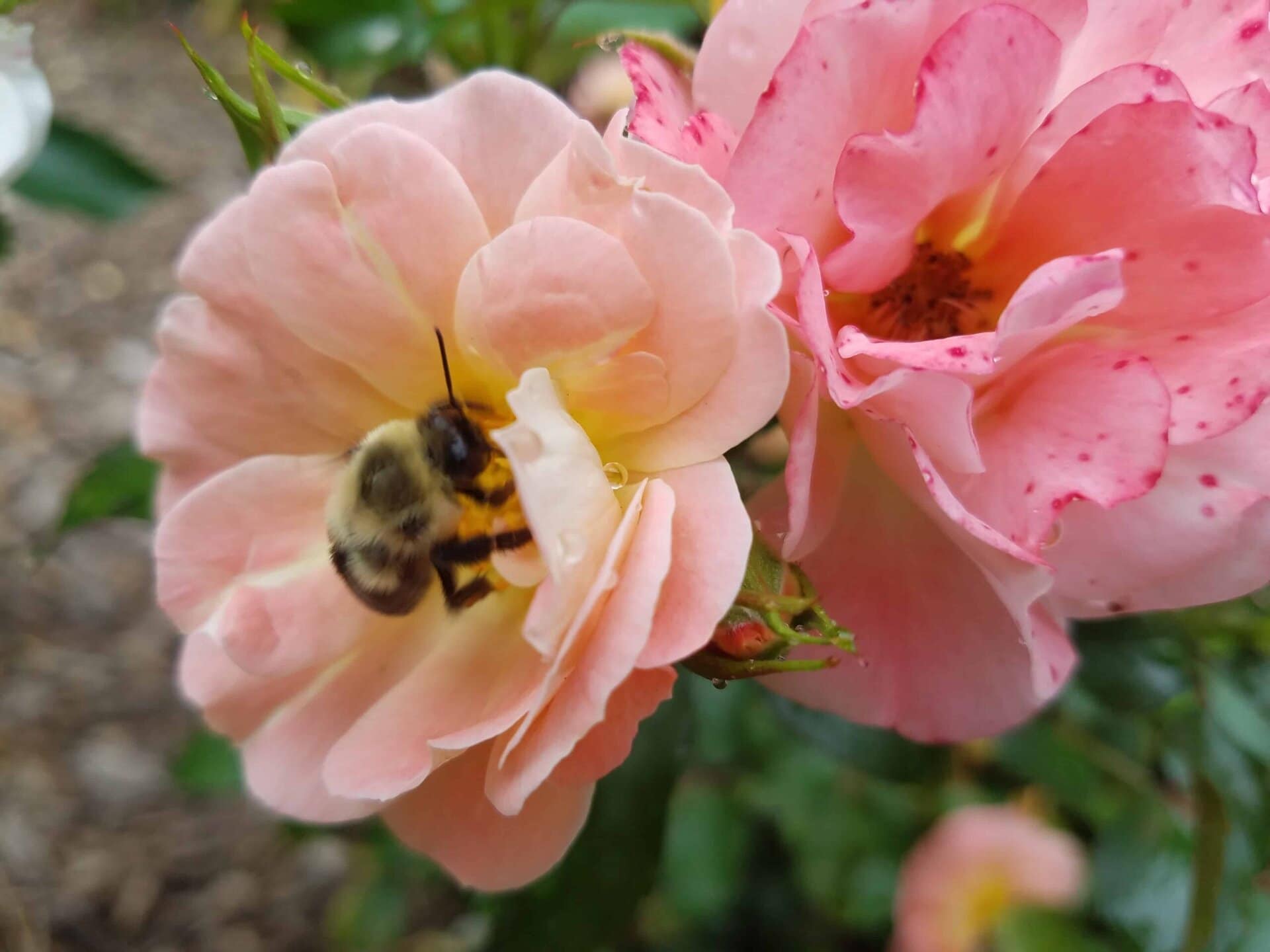
Every flower awaited its turn, like an eager dance partner, as the bees flitted and twirled amongst them.
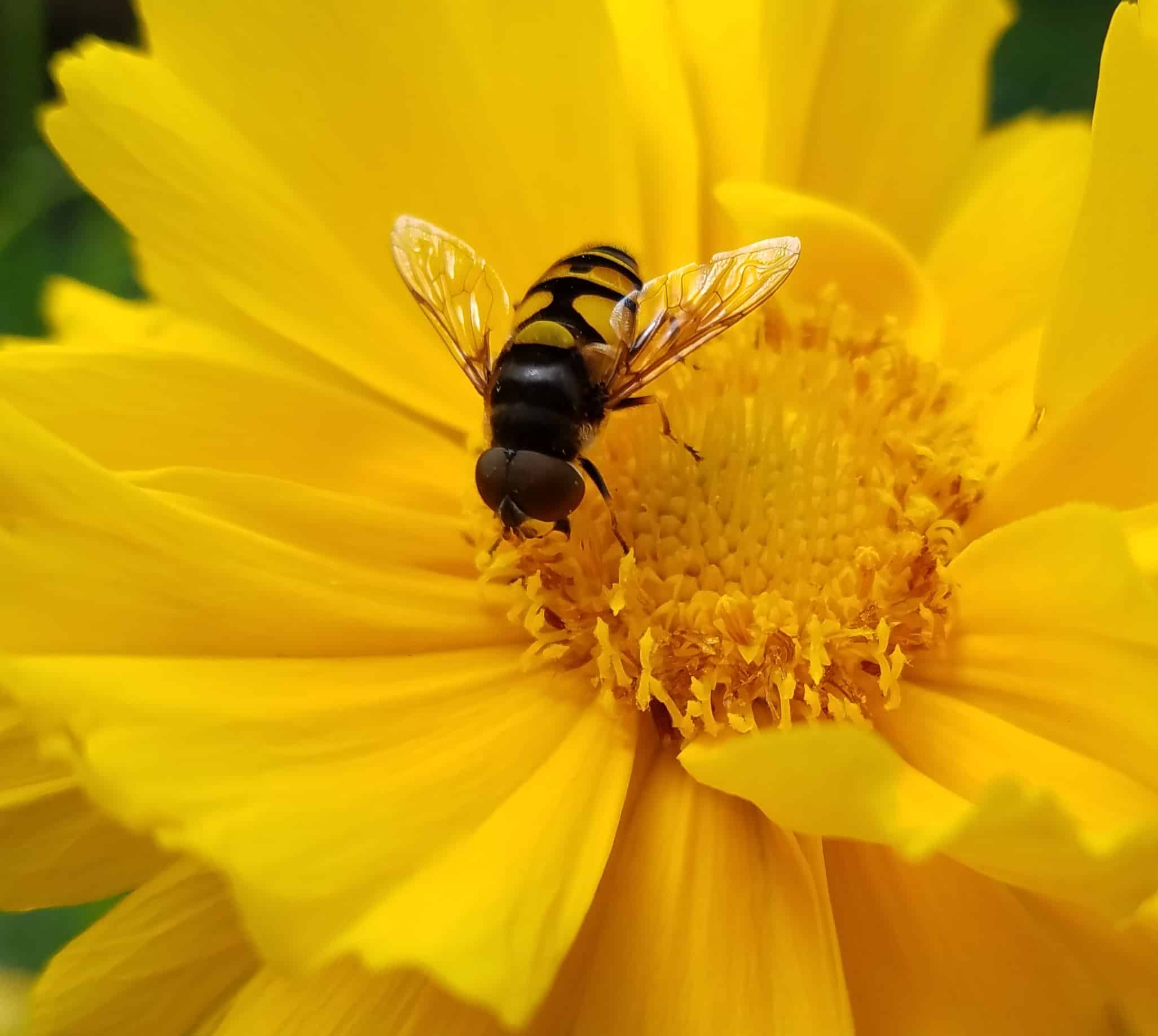
Summer’s arrival finds our gardens and landscapes in full bloom. It’s no coincidence that Summer’s arrival coincides with National Pollinator Week. A wonderful time to revisit the importance of pollinators and how best to support them.
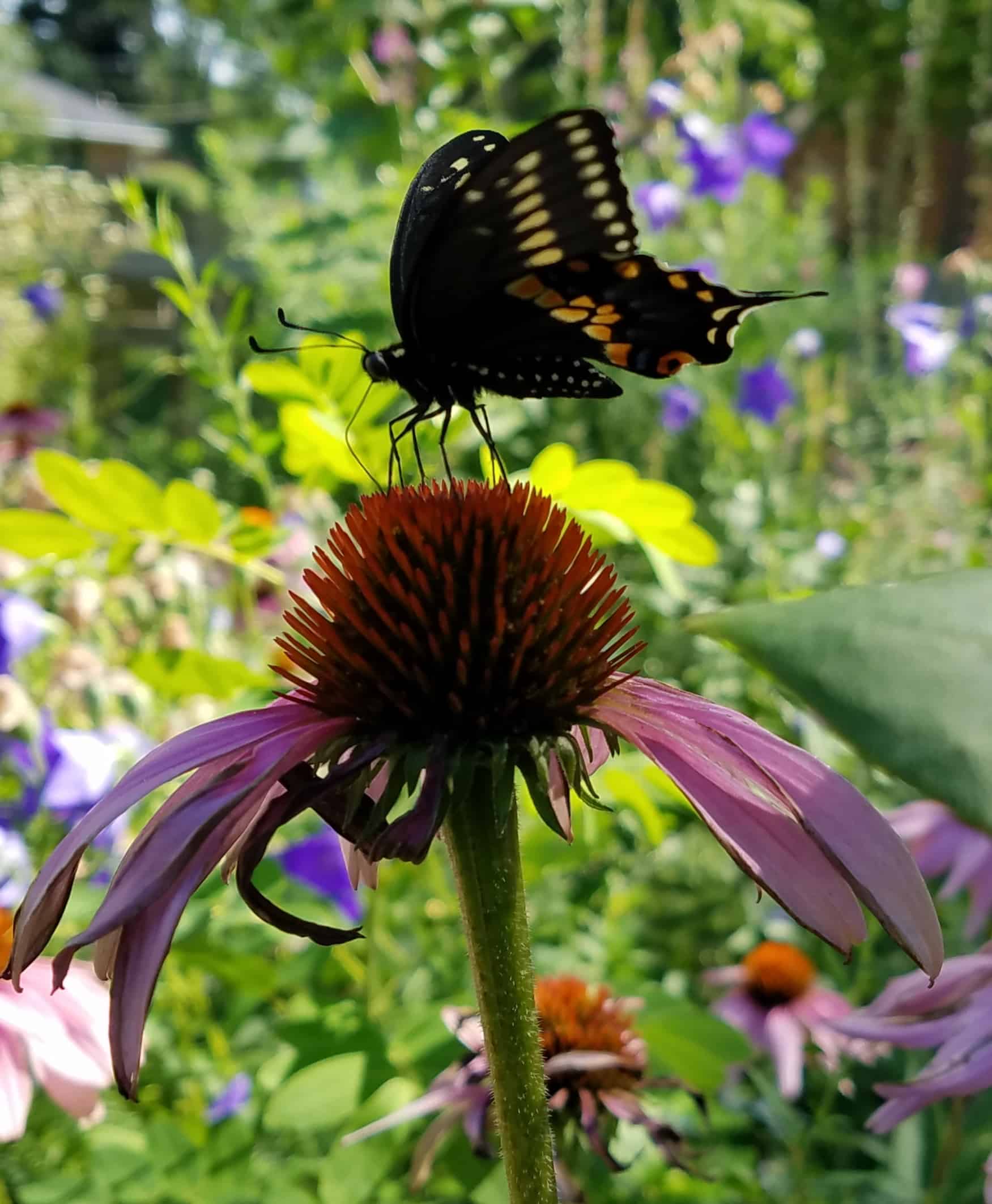
Pollinators include birds, bees, butterflies, bats and some moths and wasps. In addition to offering a diverse pallet of pollinator-friendly plants, including native species, that provide continual blooms from Spring to Fall, it’s also important to employ garden management tactics that help support them:
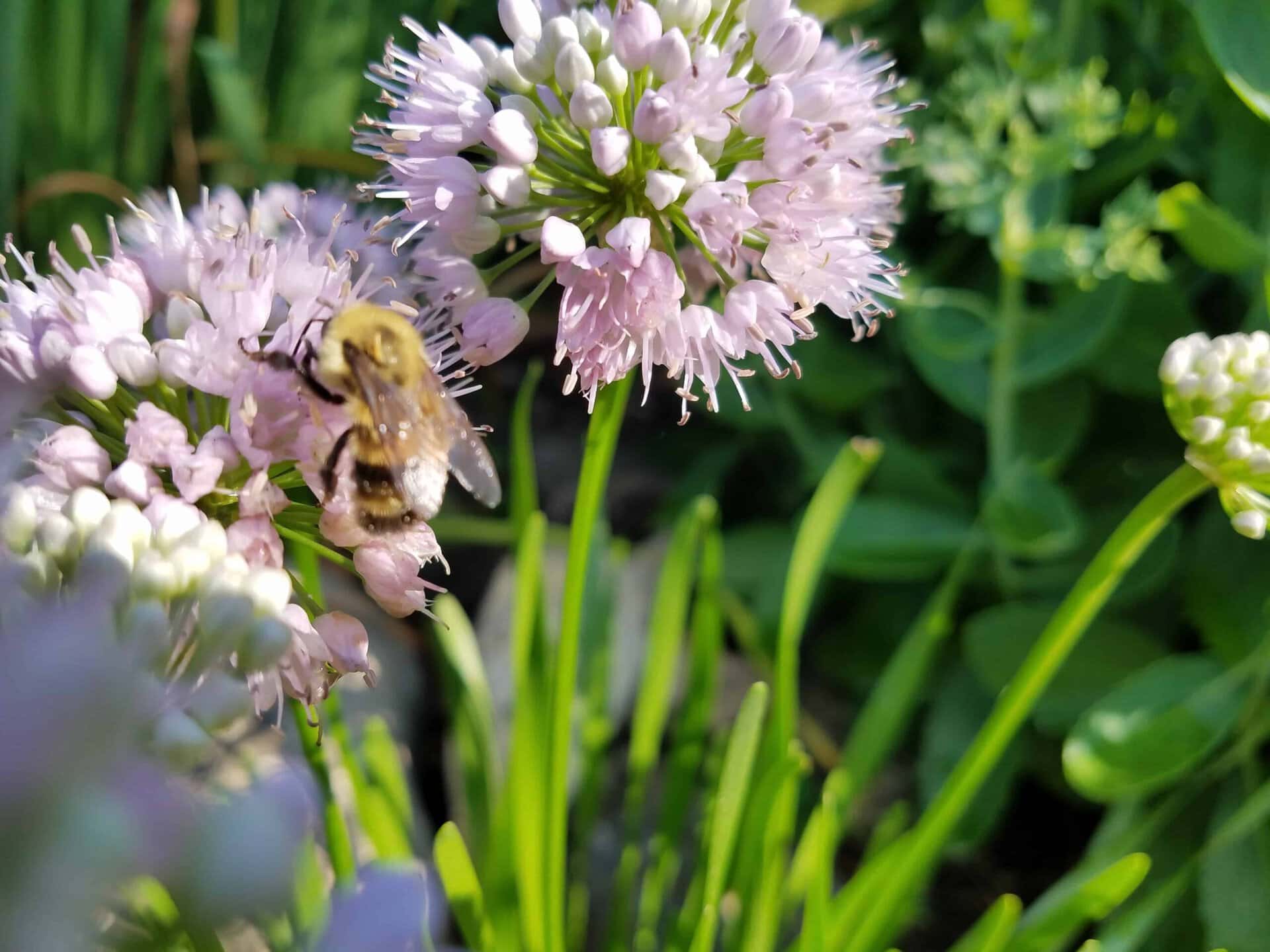
- Consider adding “host” plants, which pollinators will use to lay and feed their young. Check out specific plants for specific hosts. Generally speaking, native plants are the best option for a myriad of reasons and support some 225 different variety of native bees.
- If possible, eliminate the use of pesticides and be willing to accept some insect damage to some plants. If pesticides must be used, look to less toxic varieties, and use in the evening when pollinators are less active.
- Leave bare patches of earth where ground nesting bees can shelter.
- Add non-flowering plants and grasses that provide nesting and overwintering habitats.
- If possible, leave downed logs, stems and leaf litter for additional nesting and overwintering habitats. Additionally, consider not cutting back your perennials in Fall for the same reasons.
- Provide fresh water and replenish daily to prevent water from becoming a breeding ground for mosquitoes.
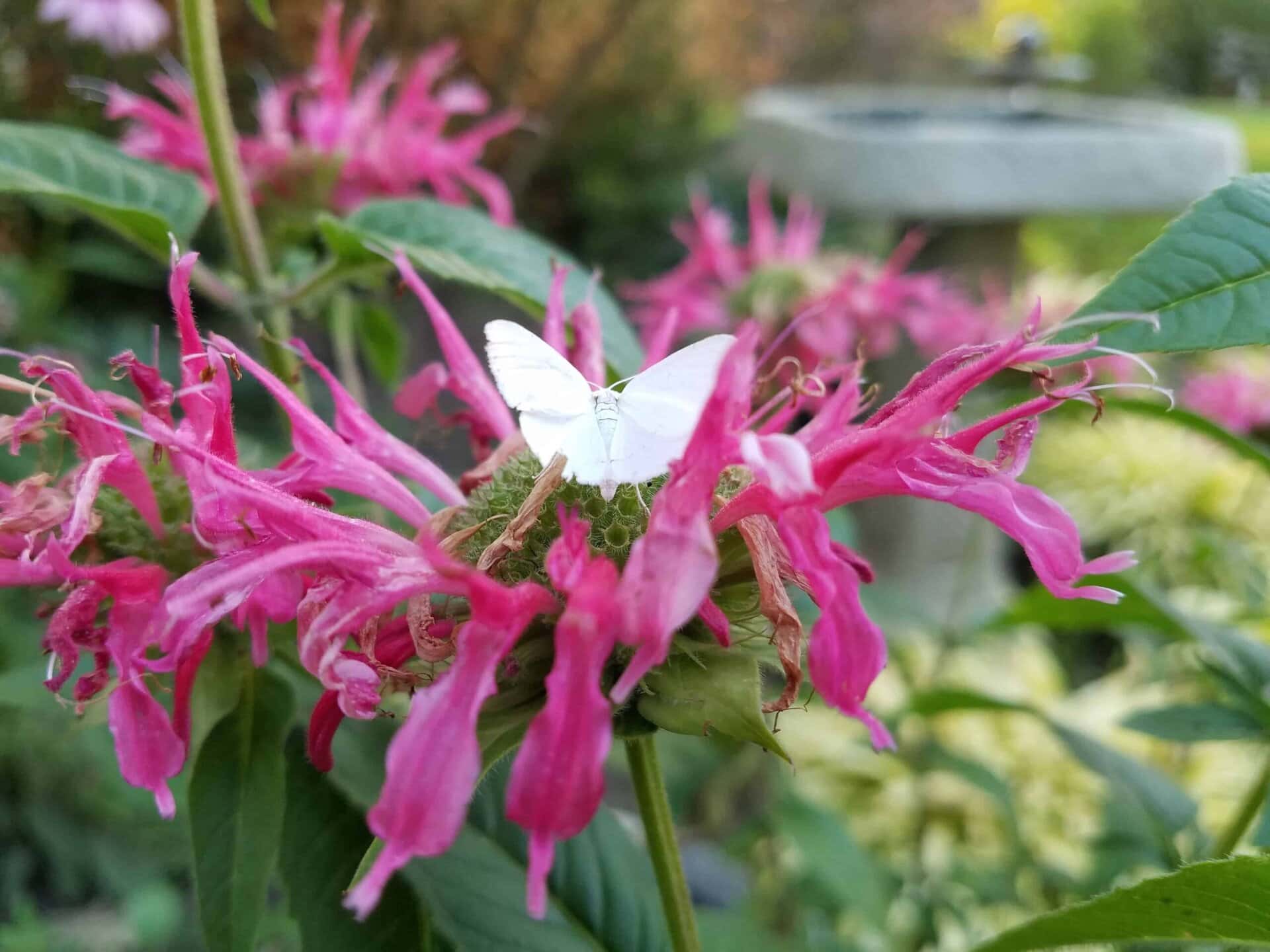
I realize the above management practices may not be terribly realistic for all home gardeners, so keep in mind creating and maintaining balance between beauty, sanity and the support of pollinators and wildlife should be the goal, and is absolutely attainable! Feel free to reach out to Sweeney’s for more information on creating and maintaining a pollinator-friendly landscape. We proudly serve the communities of Villa Park, Elmhurst, Oakbrook, Oakbrook Terrace, Glen Ellyn, Lombard, Wood Dale, Itasca, and more!
Sweeney’s: A Plant Based Company
Plant of the Week
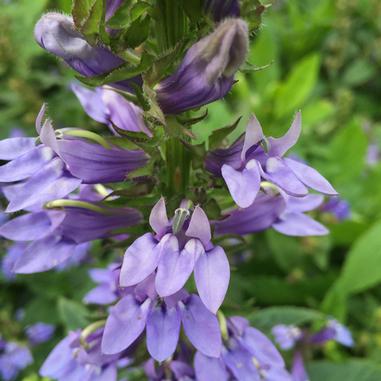
Great Blue Lobelia
Light blue flowering spikes bloom July – August amongst bright green foliage. Prefers sun to partial shade and moist soil. Grows 24-36″ tall and 12-18″ wide. Attracts pollinators, butterflies, and hummingbirds.
“If the bee disappeared off the surface of the globe, then man would have only four years of life left. No more bees, no more pollination, no more plants, no more animals, no more man.”
-Albert Einstein
Well wishes,
Kim Sweeney