
Sailing quietly towards the ground, twirling upon the breeze, leaves began to tumble and drift, peppering the lawn below. Serene and lovely, mesmerizing and therapeutic, nature was tranquil, wholly at ease.

Technically, next Monday marks the official first day of Fall, and signs are all around us, save for the unseasonable heat and humidity. But rest assured, whether we like it or not, decreasing sun light and cooler average temperatures have set the season in motion. And there are certain preparations that should be made.
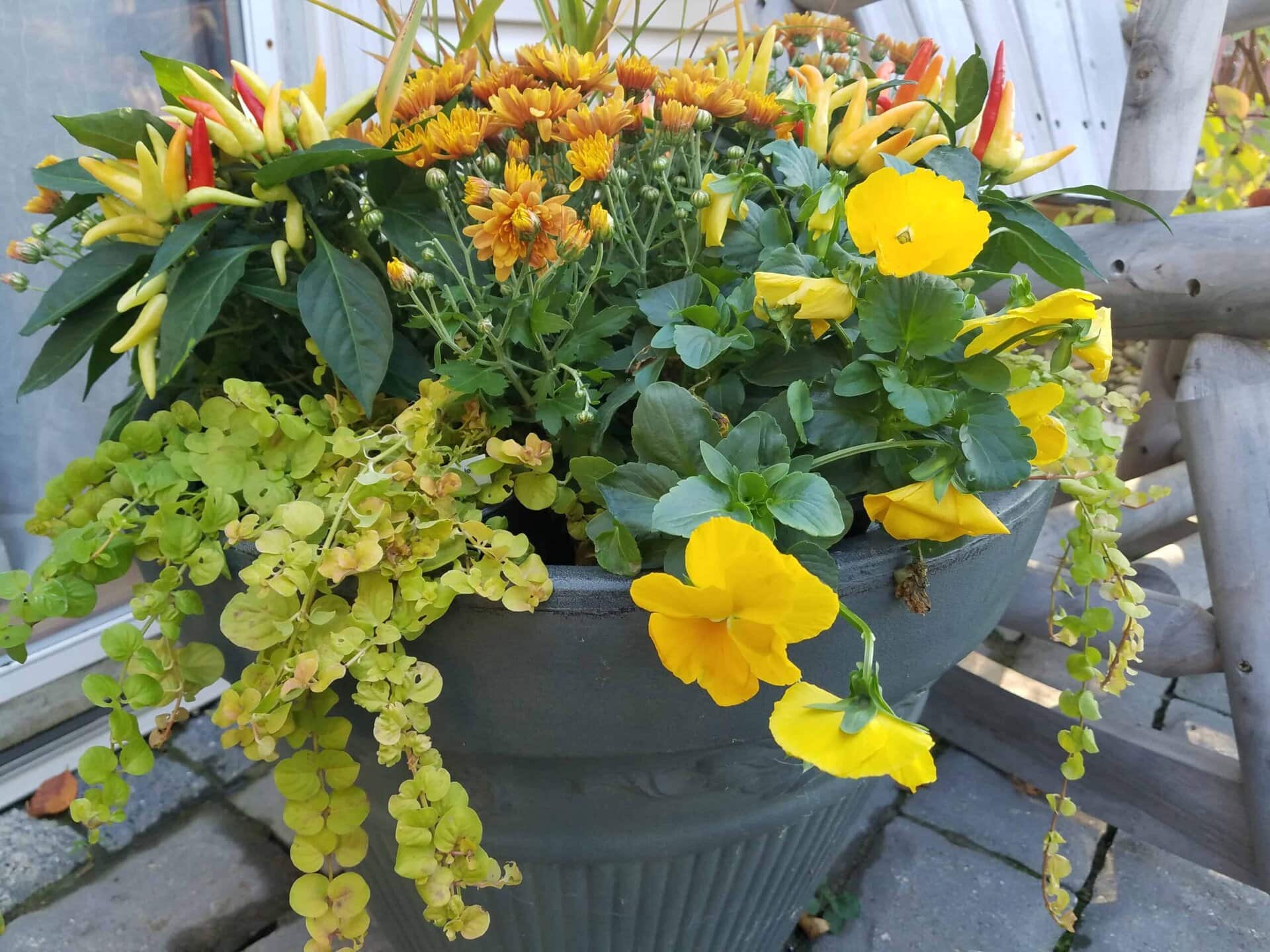
Container gardens can be overwintered, so if you’re thinking about it, now is the time to plan as the soil in containers is more susceptible to the damaging effects of frost, and roots can freeze more easily than those plants who find their homes in the ground. So, what to do?
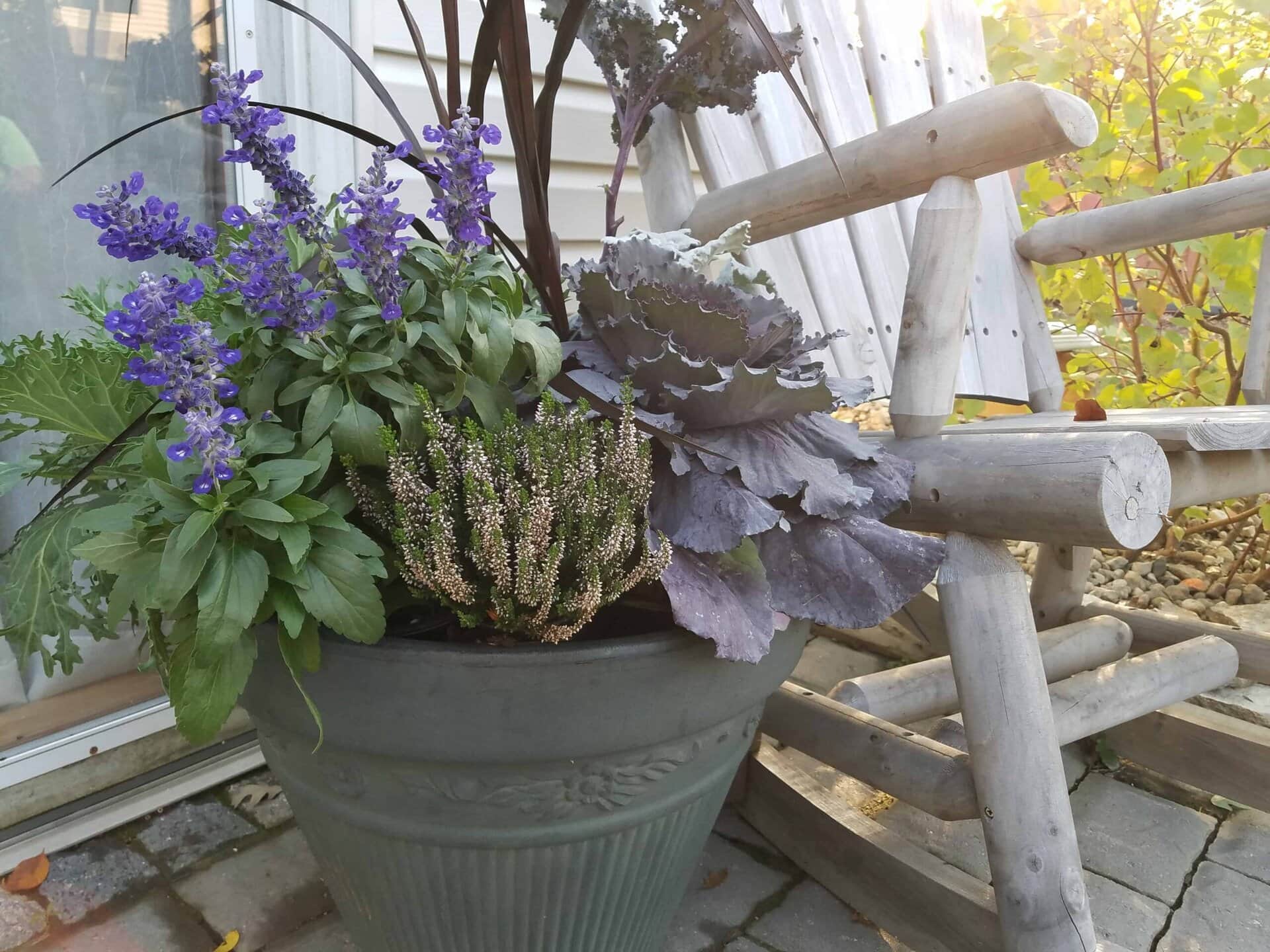
Basically, you have three options. The first is to bring containers indoors, but this doesn’t need to be done immediately. Containers should be migrated indoors when temperatures are consistently below 60 degrees, and as it stands now, we’re a few weeks away from that. Not all plants should be overwintered. Look to save only those plants that are healthy and free from any type of disease or infestation. Don’t be a hero. Plants that have struggled throughout the Summer should be tossed.
Once indoors, placement is critical. Full sun plants should be placed near south-facing windows. Partial sun plants should be placed near east or west-facing windows. Always try to keep plants away from drafty doors and vents.
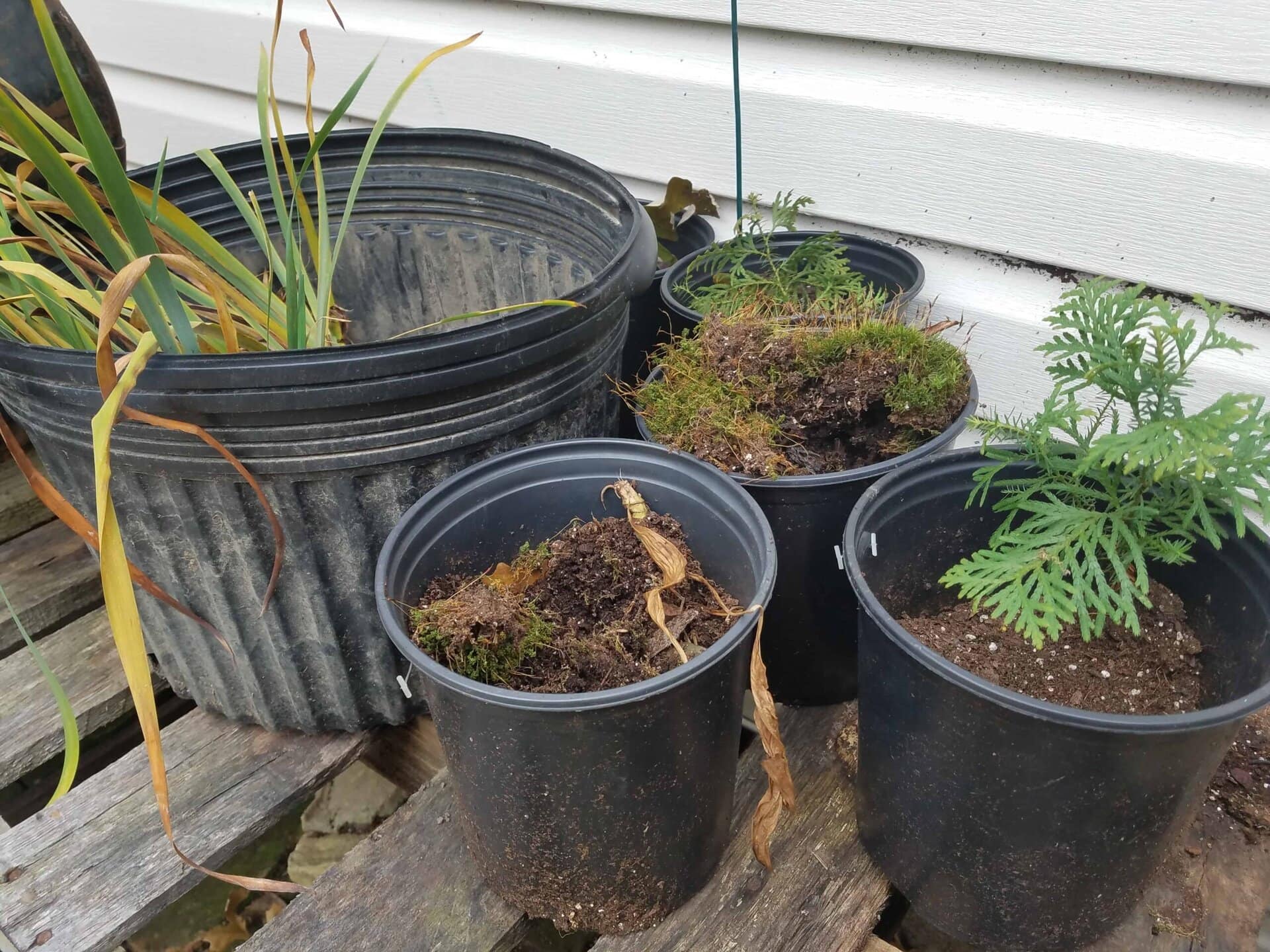
The second option is to leave containers outside. Please remember, not all plants are hardy enough to survive our winters, but those that are can be saved and protected. It is recommended that you cluster your containers in a tight grouping in a somewhat protected area, like an overhang or south-facing wall, where the plants will have some protection against the elements. Containers should also be mulched or covered with leaves to help insulate the soil and roots. Some homeowners have even created screens, using burlap, to help further protect from wind and sun scald. Keep your plants slightly tilted to one side. Because the ground will most likely freeze below the container, water cannot drain properly. Lastly, make sure the pot itself will be able to survive the winter. Generally speaking, the more porous the container, the more likely it will crack.
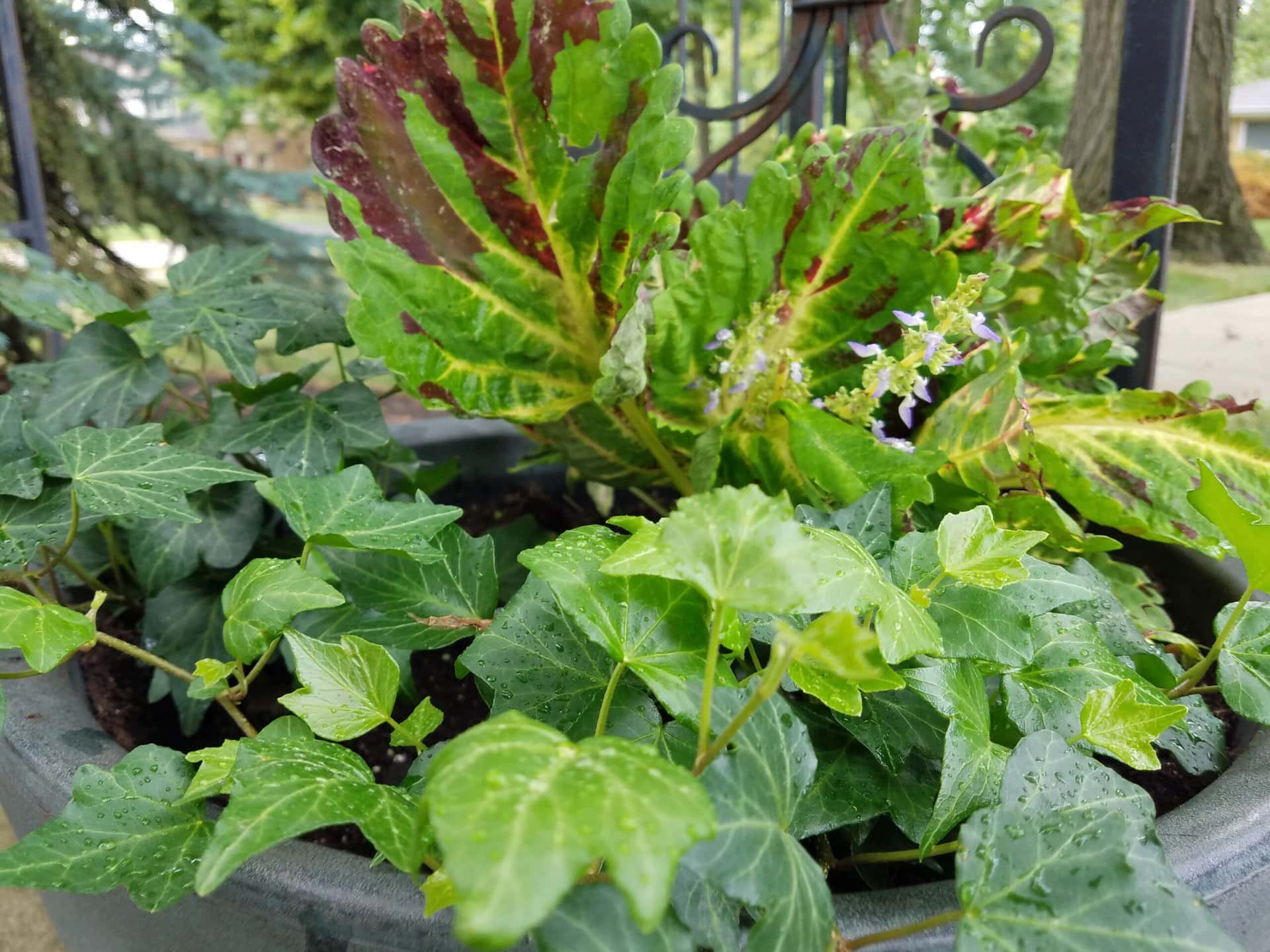
The third option is to transfer the plants directly into the ground. Of course, this requires a bit more work, but is probably the best and safest option.
Overwintering containers and container plants can be risky business and not all will survive, but many will, and come Spring you’ll be ahead of the game. As always, reach out to Sweeney’s for any overwintering tips or assistance.
Plant of the Week
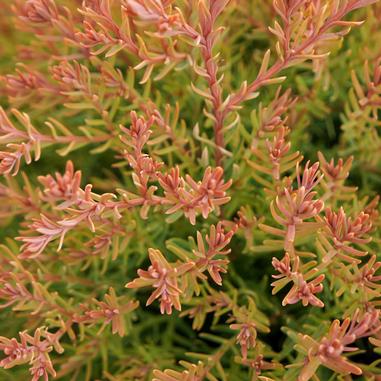
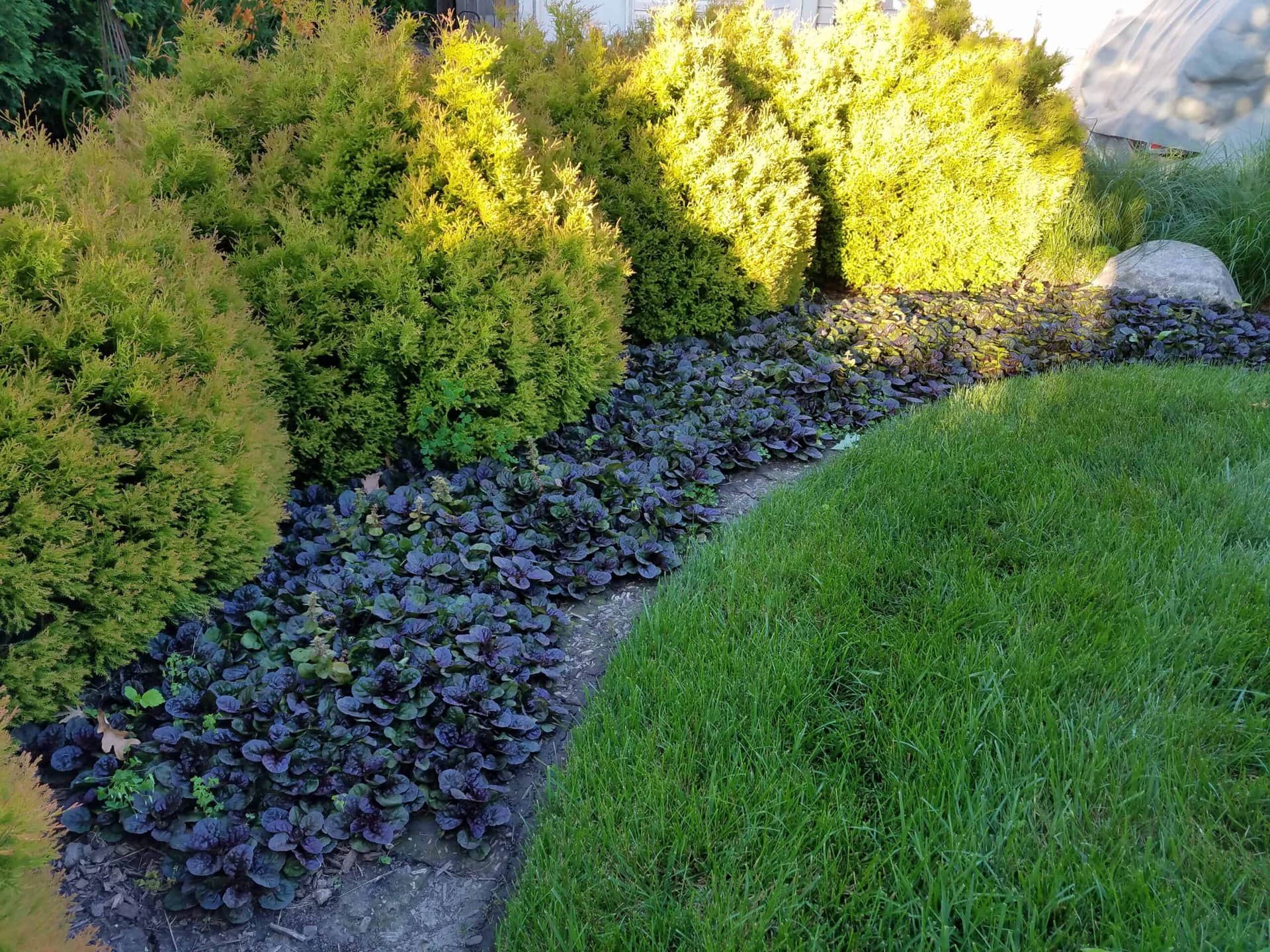
Fire Chief Arborvitae
Perfectly globe shaped, evergreen shrub whose foliage tips are tinged in orangey-red, almost giving it a glowing affect grows 3-4′ tall and 3-4′ wide. Prefers sun to partial shade and moist, well-drained soil. Excellent Winter interest and color.
“Autumn repays the earth the leaves which summer lent it.”
-Georg Christoph Lichtenberg
Best wishes,
Kim Sweeney