
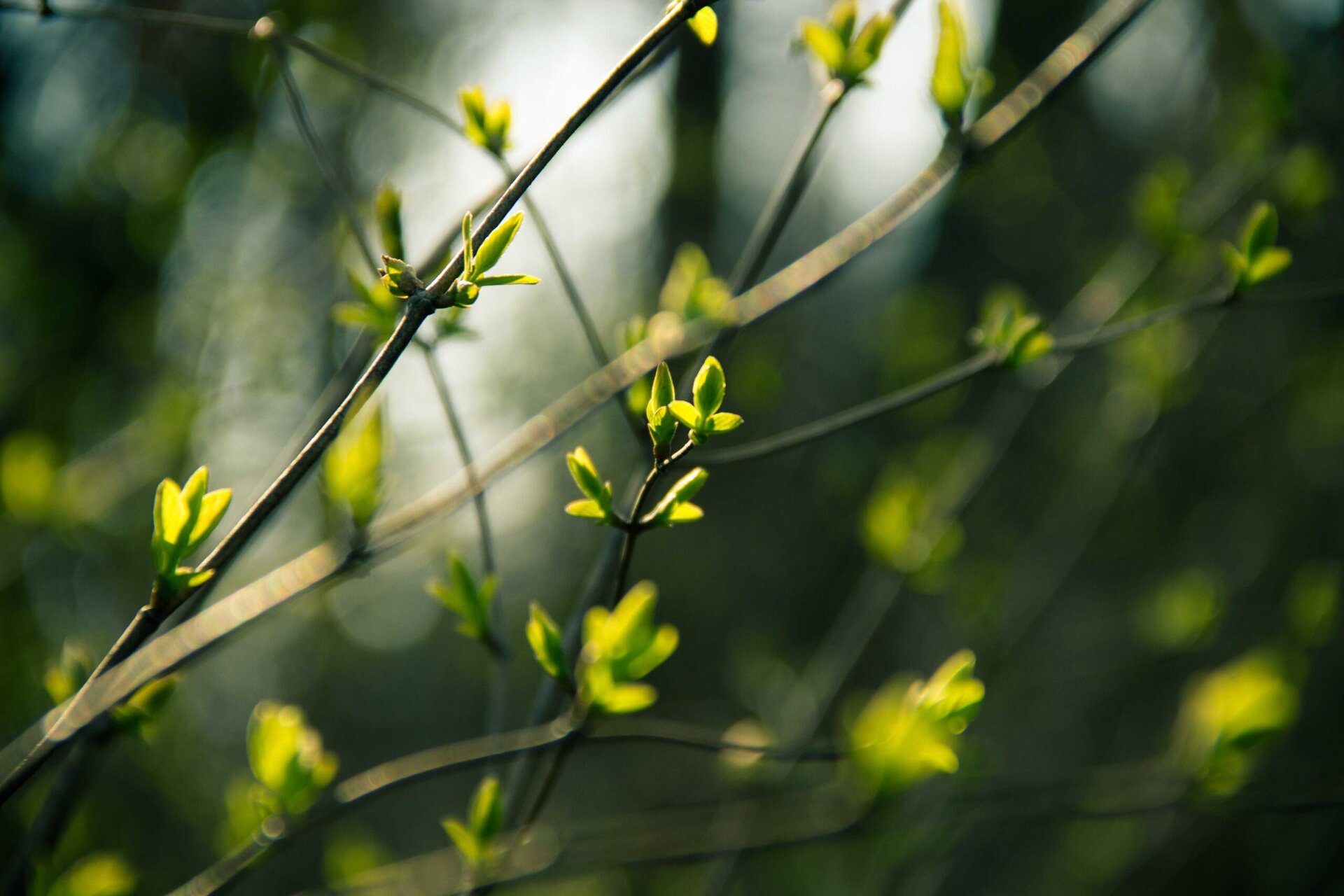
It’s almost March – that awkward and messy, yet exciting time in our yards and gardens when life begins to sprout amid the mucky, soggy spoils of seasons in transition. Possibility abounds! Muddy paws proliferate! But hope springs eternal, right? Right!
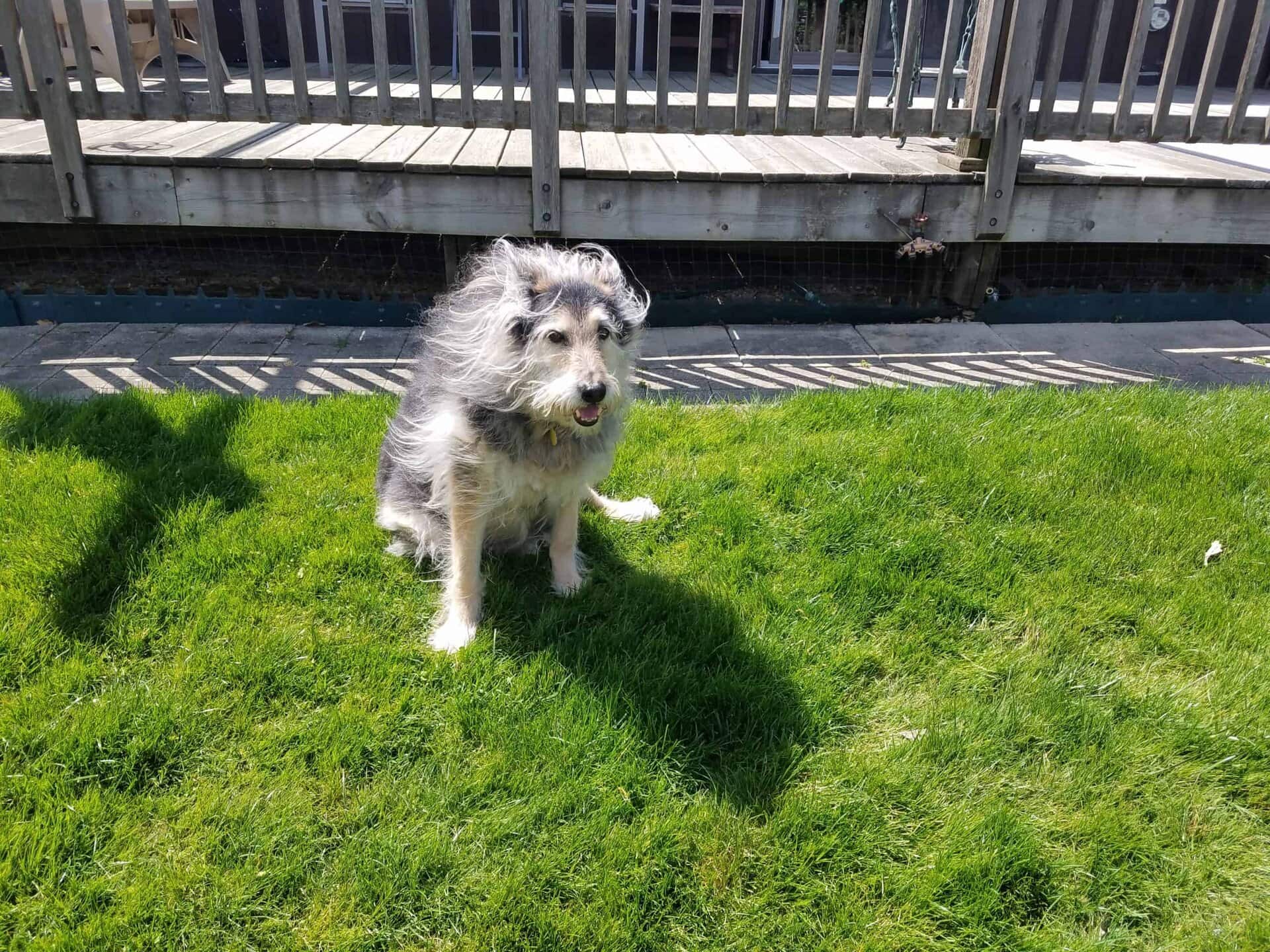
It’s entirely possible to create lovely, inviting spaces that can hold up to our pet’s wear and tear while maintaining our sanity. It’s called Petscaping, which basically means creating safe, thoughtful, beautiful and practical spaces where pets can live and play that are pleasing to both pets and humans alike. A landscape in “pawfect” harmony. Sorry.
Consider adding dog friendly plants like edible flowers (i.e. marigolds, pansy and nasturtium). Dogs also like the taste of herbs, like basil and cilantro, which can also freshen their breath. Fruits and vegetables are also great choices, as long as you don’t mind sharing. Drought and salt tolerant plants should be considered as well. They are better able to tolerate dog urine, which can burn foliage similar to de-icing materials. When possible, forego plants with thorns, and stay away from cocoa mulch. Be sure to research all plants prior to planting. The ASPCA is a great place to start, and offers a listing of toxic and non-toxic plants.
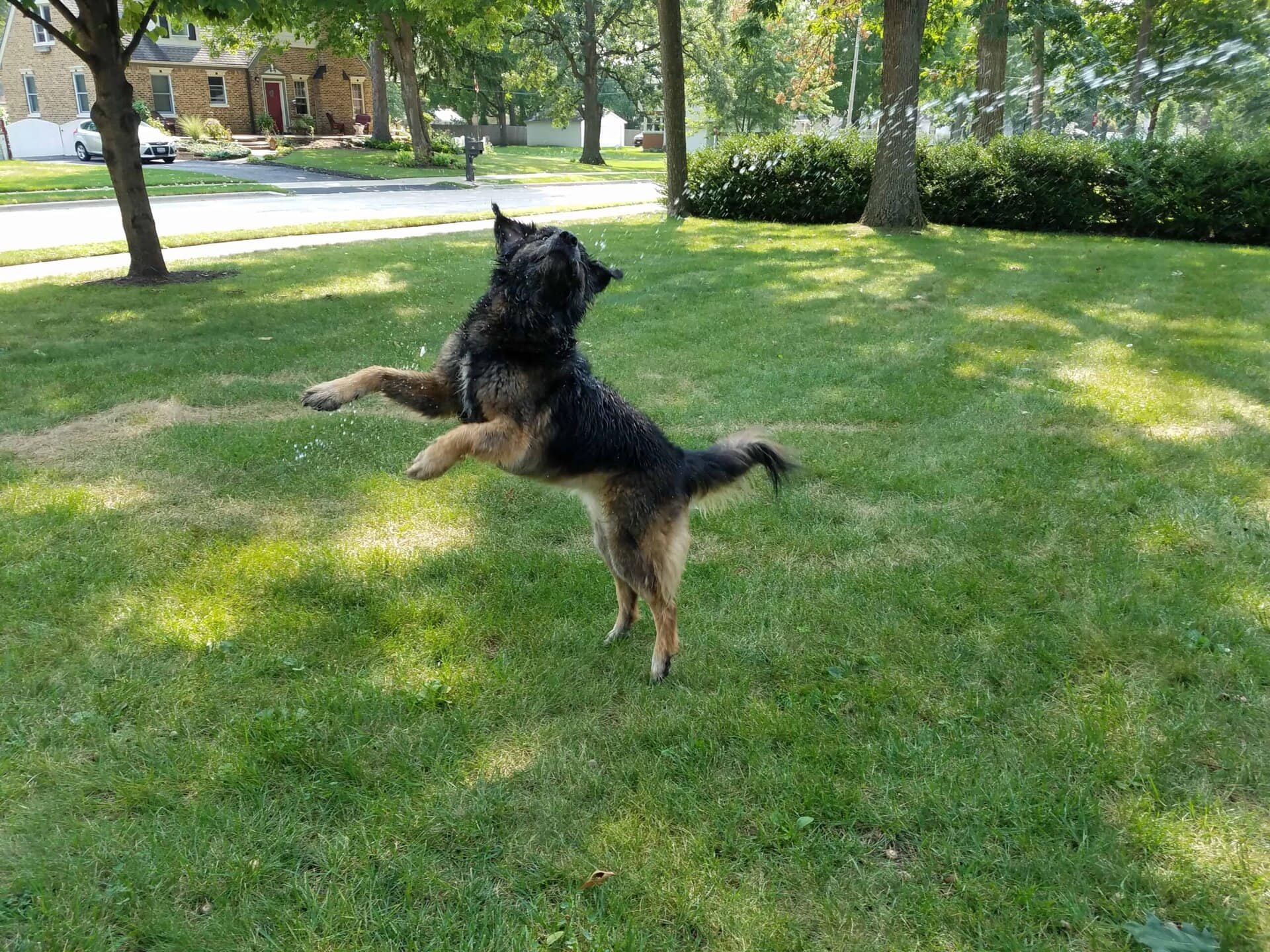
Dogs also love access to water, which can be offered artfully and playfully. Consider self-circulating, self-filling water features, like fountains or ponds. Bacteria killing UV filters can be added to keep water clean and safe.
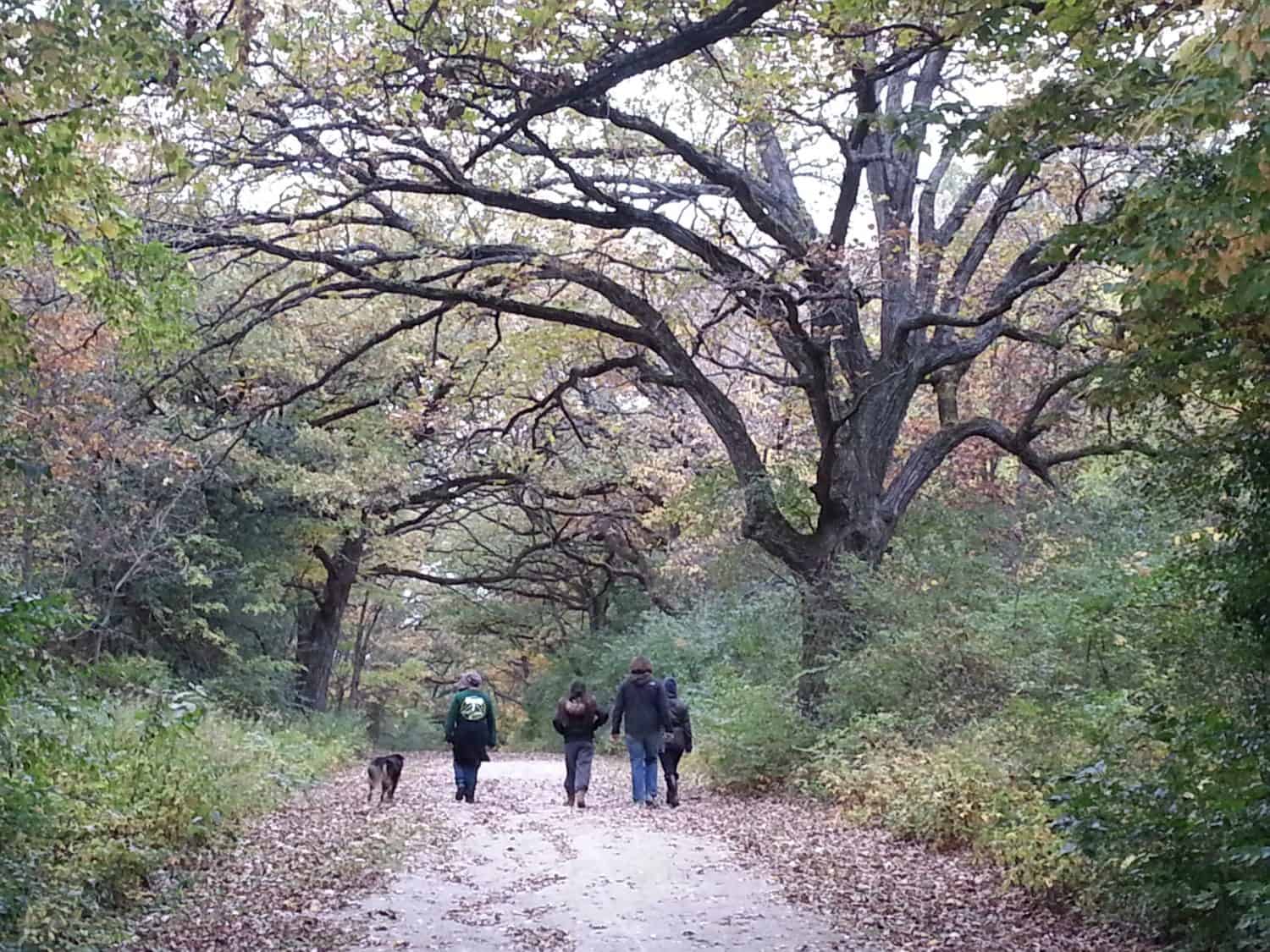
Create pathways that will aid in keeping pets from tromping through planting beds and mud while keeping their paws relatively clean. Consider rotten granite, flagstone, river rock, pavers or certain mulches. If your dog likes to patrol the perimeter of the yard, consider adding stepping stones. Take notice of your dog’s instincts as they tend to take the same paths through the yard. Use this as your guide to creating pathways they already naturally enjoy.
If you don’t have a lot of natural shade, consider adding umbrellas or overhead sails where dogs can retreat from the heat. Ornamental trees can also be planted, which are both aesthetically pleasing and utilitarian. In offering shaded areas, dogs may be less inclined to dig.
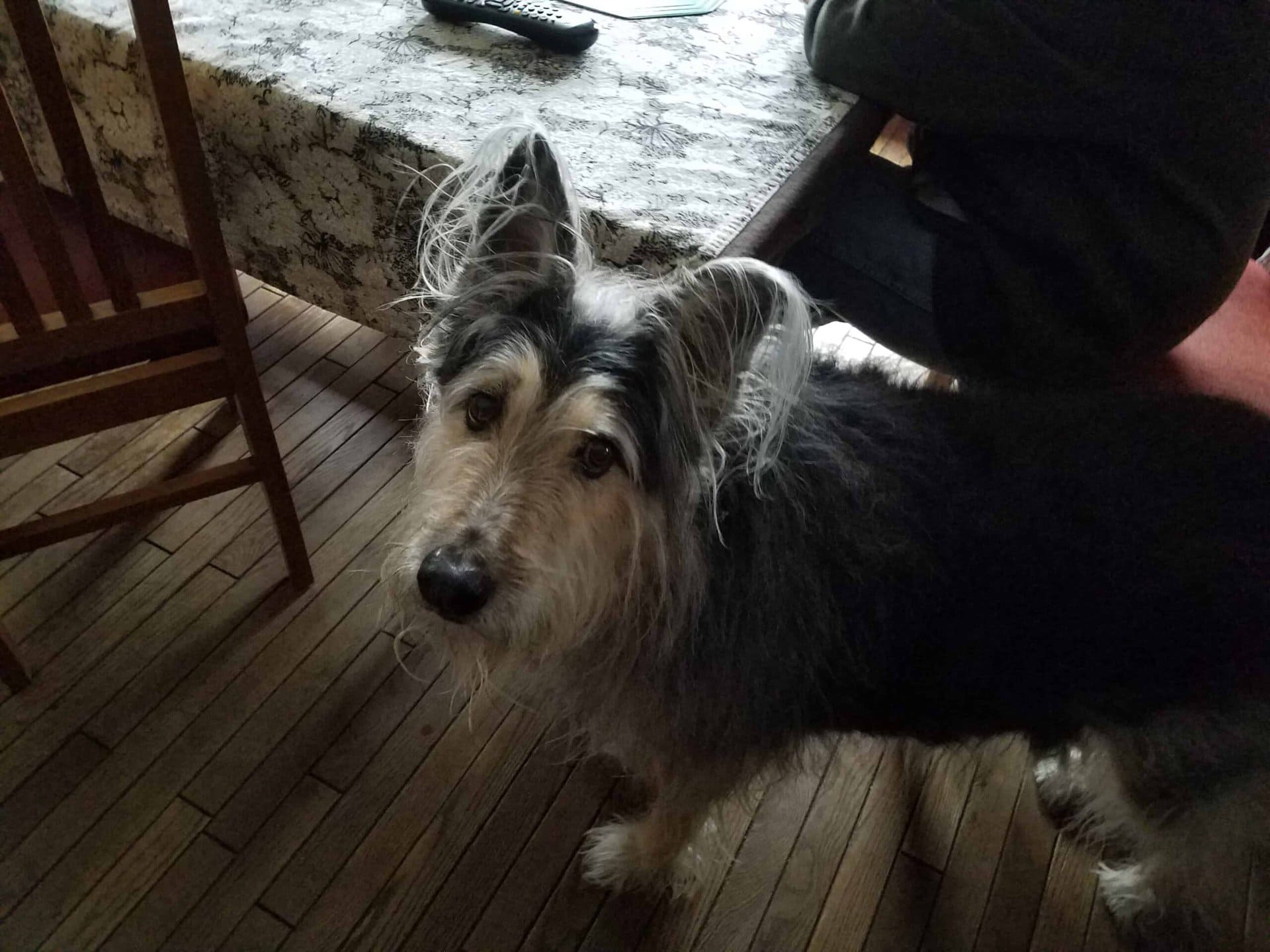
Keep chemicals to a minimum, and be sure to read labels thoroughly when using. Pay attention to the “re-entry interval” if listed, which refers to the time in which dogs can return to the area safely. If no “re-entry interval” is listed, keep pets away until the dust has settled, and the chemical has time to dry. Even better, choose native plants that generally require little maintenance or intervention as they already thrive in our soil and climate, and be prepared to live with some weeds.
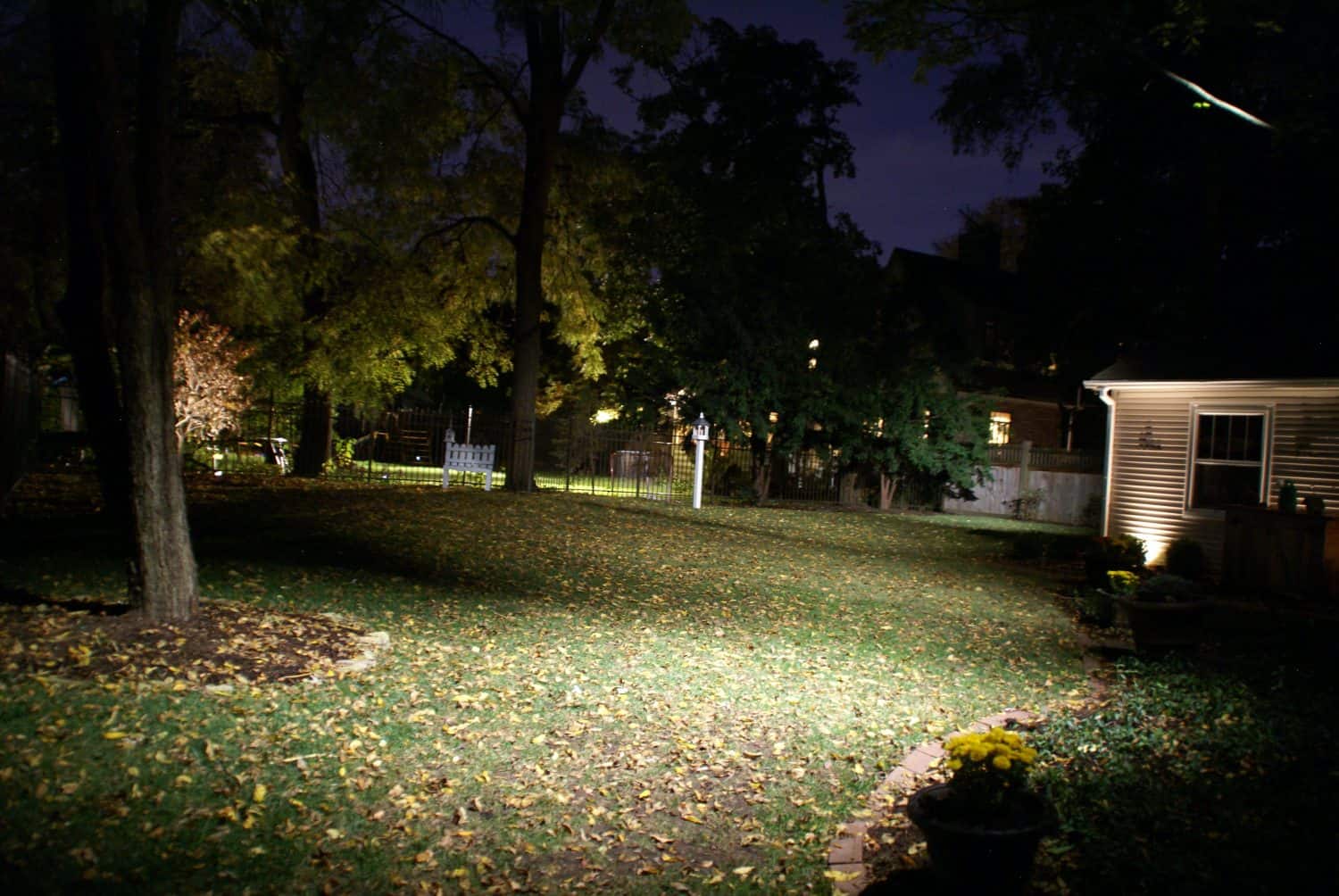
As an additional safety measure, consider adding landscape lighting. This will help keep your pets visible while deterring nocturnal wildlife, like skunks and raccoons. Motion sensing lights can be especially beneficial.
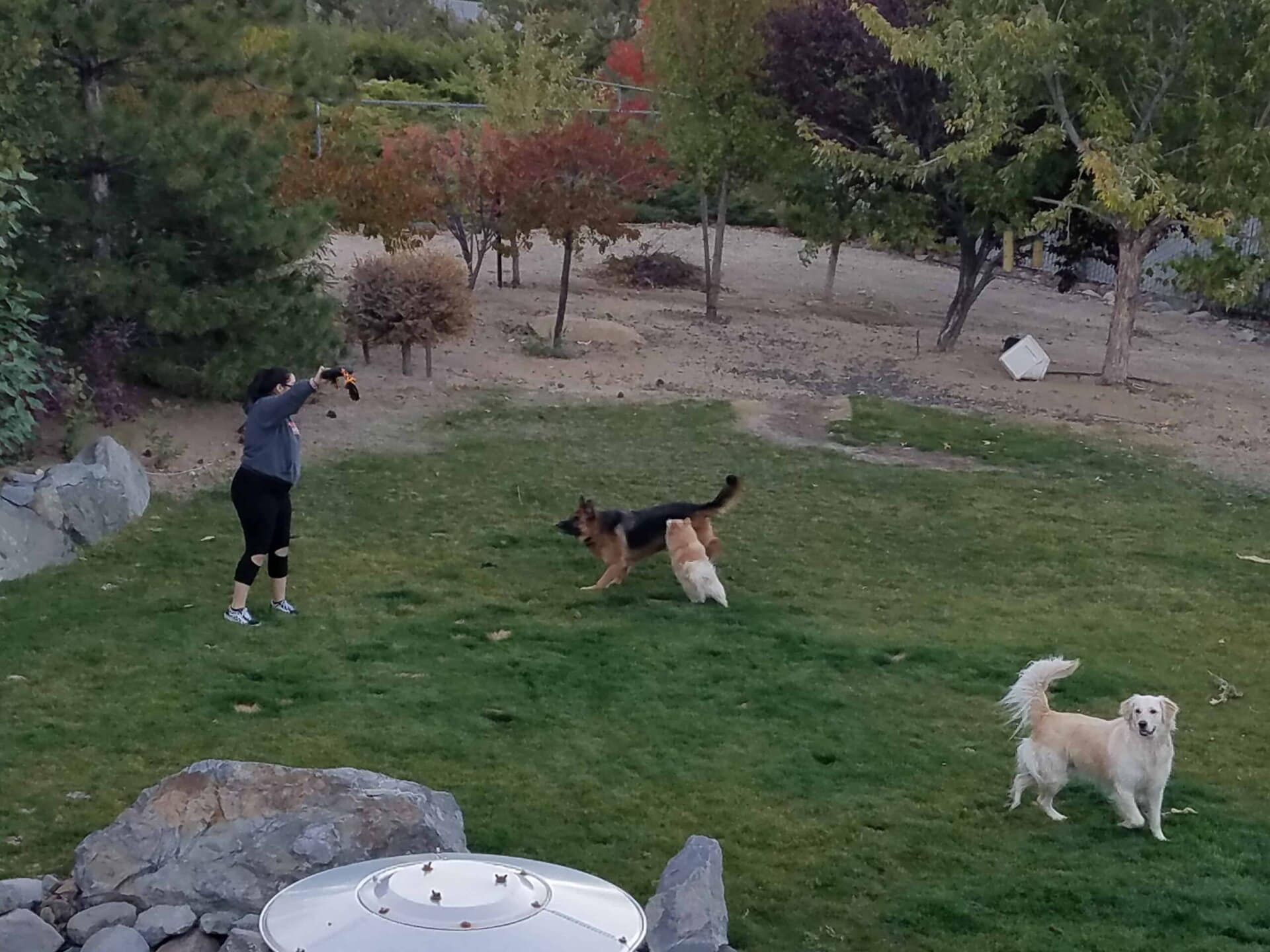
Establish play areas that will endure a fair amount of wear and tear. For our part of the world, Kentucky Bluegrass and turf-type tall fescues stand up well to dog traffic while being drought tolerant.
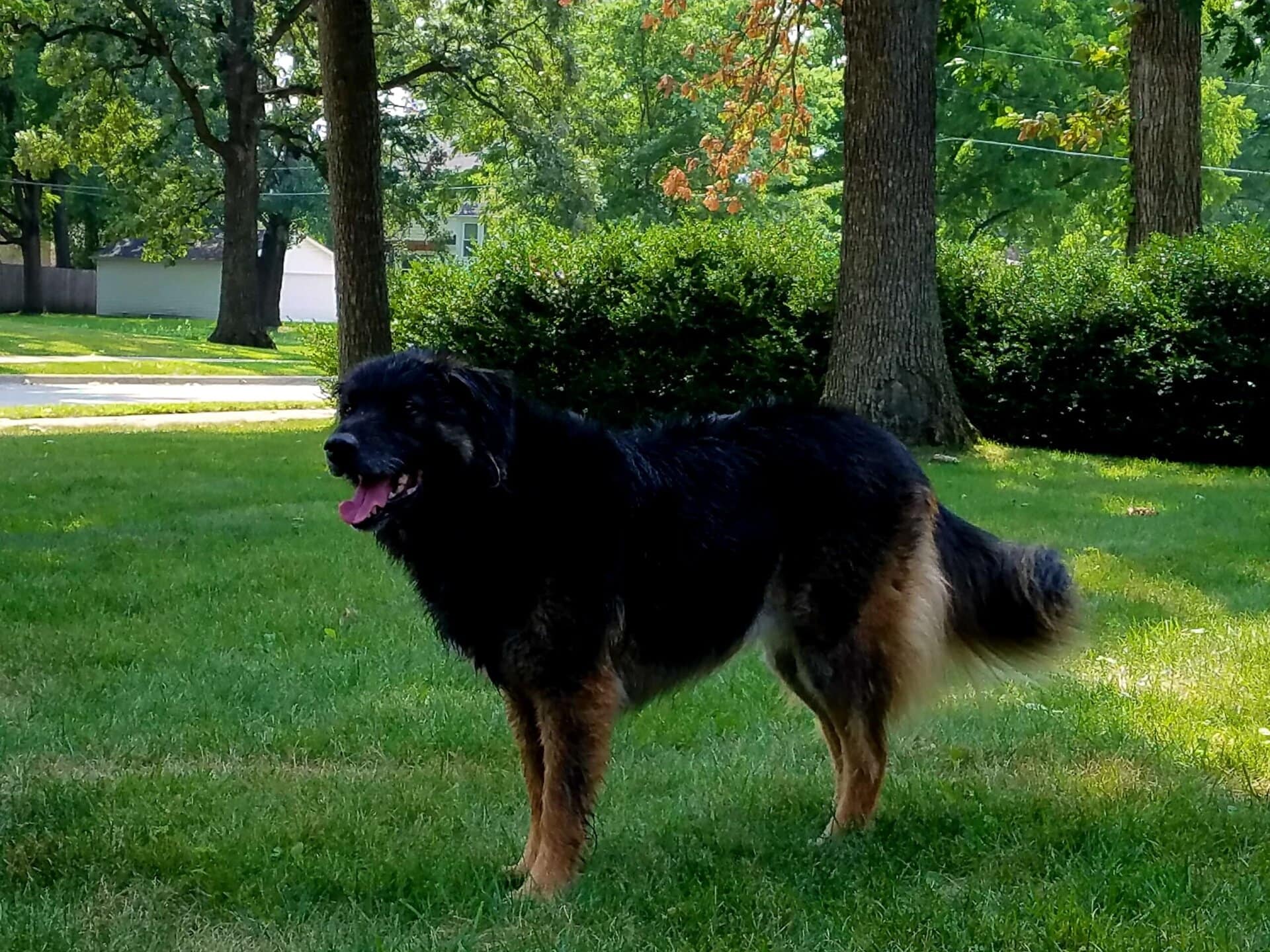
Dogs are a big part of our families, and enjoy the outdoors as much, if not more than we do. Invite them out into the landscape by creating safe, dog-friendly areas that are both beautiful and practical. Reach out to Sweeney’s, and we’ll help you design and create a landscape you can both enjoy!
Plant of the Week
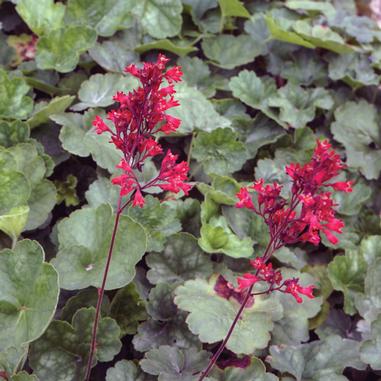
Firefly Coralbells
Fragrant, vibrant red flowers bloom on wispy stems amongst attractive green foliage June – August. Prefers full sun to partial shade, and moist, well-drained soil. Grows 6-8″ tall and 8-12″ wide. Attracts butterflies, hummingbirds, and other pollinators.
“To sit with a dog on a hillside on a glorious afternoon is to be back in Eden, where doing nothing was not boring — it was peace.”
~Milan Kundera
Warm wishes,
Kim Sweeney