
Winter loosened its grip, and the sun shone through the spaces in between. The earth exhaled and uncoiled, basking in its warmth and affection. The landscape seemed to soften as all of God’s creatures took advantage of her benevolence. A rare and welcome gift indeed.
Days like these are few and far between. During Winter to early-Spring, birds benefit from an augmented diet as Fall’s seeds are mostly gone, and insects have yet to make an appearance. Birds don’t necessarily need our help, but why not offer it and relish their presence?
Before you begin parsing out bread scraps, which is technically never advisable, or buying seed, take a moment to learn what to feed them and how. There’s even tips for attracting certain birds with their favorite fare:
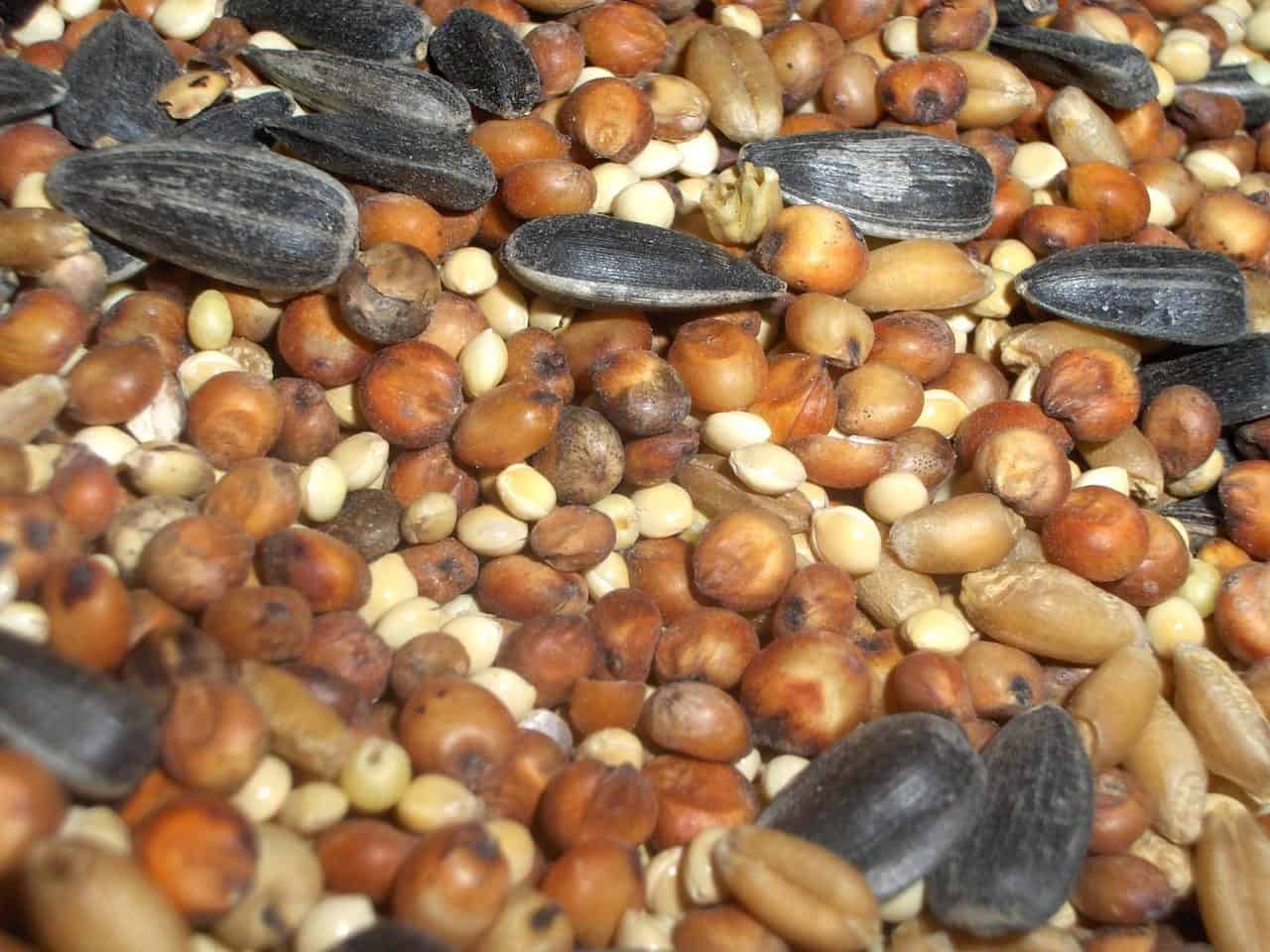
It’s recommended to choose one type of food. In other words, consider offering sunflower seeds, thistle seeds or suet cakes as opposed to a mix of seeds. It’s believed you’ll have more success and less waste. However, if you’re just starting out, a wild bird seed mix will do just fine.
It’s important to keep feeders clean by occasionally washing with soap and water. Further still, toss any moldy seeds as they can sicken birds.
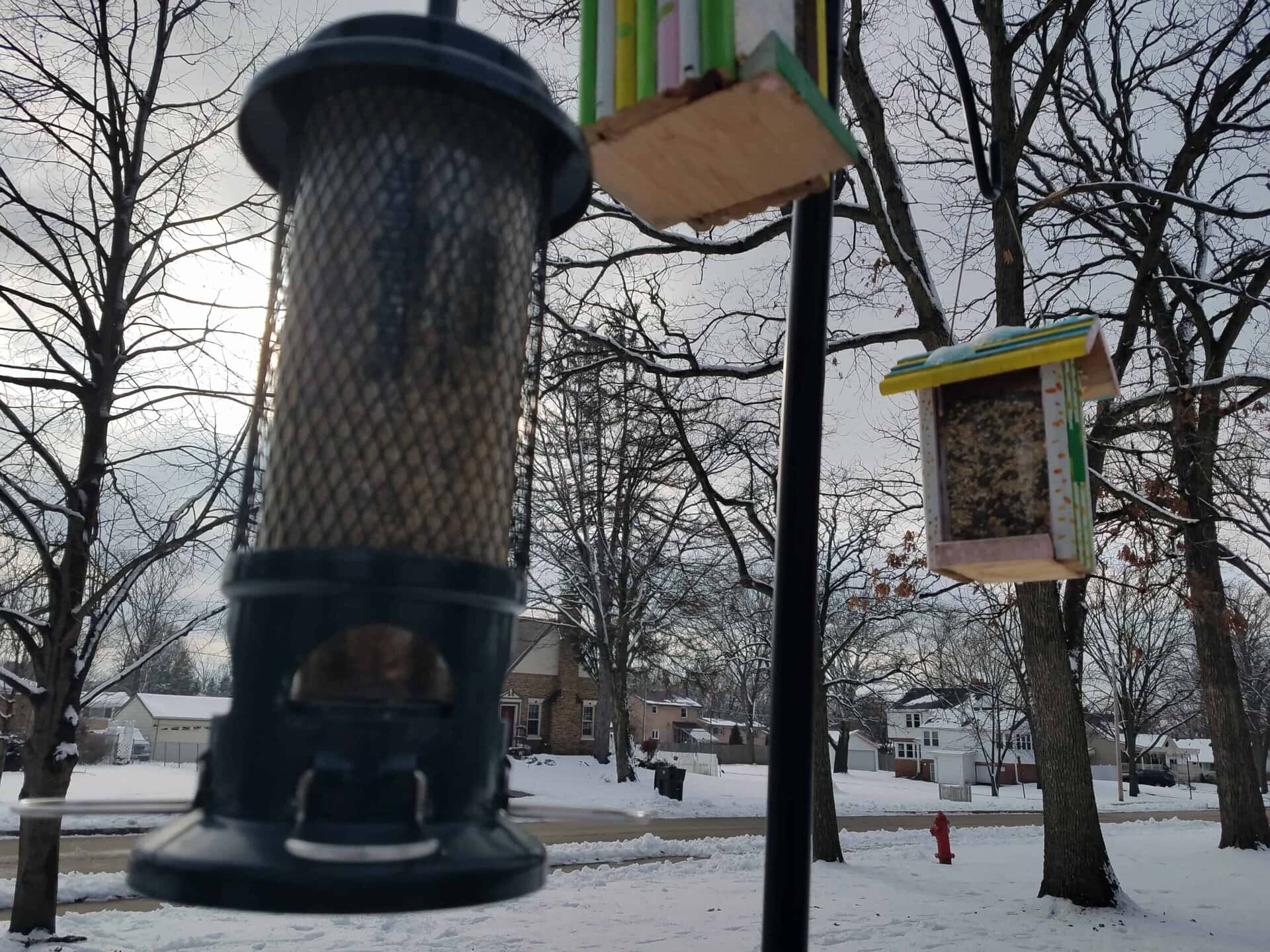
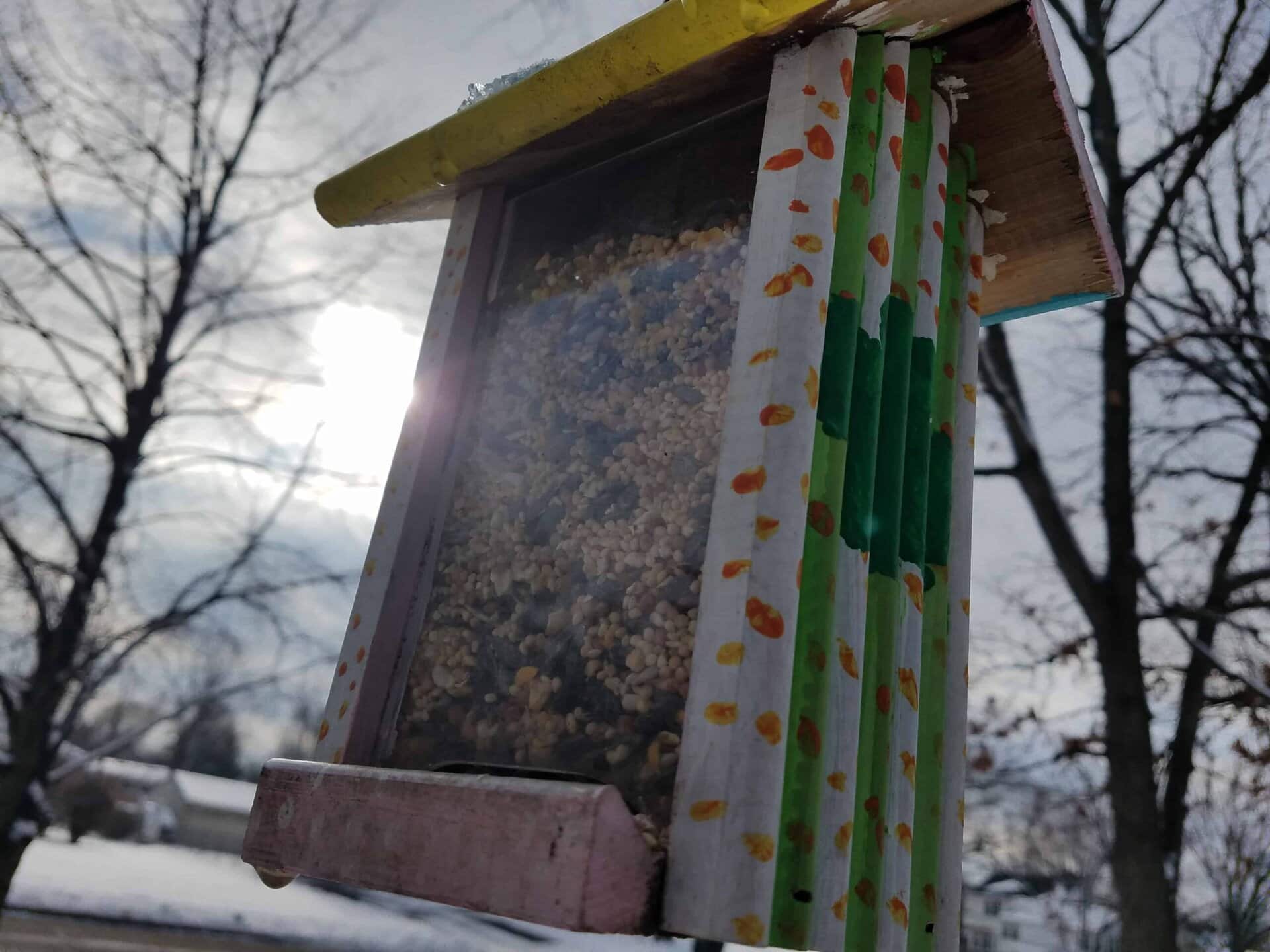
There are three different types of feeders – cages that hold suet cakes, thistle feeders that are cylindrical and have tiny holes, so smaller-billed birds can feed, and hopper style feeders. It’s recommended to find a feeder that comes with a squirrel baffle, but none are 100% squirrel proof.
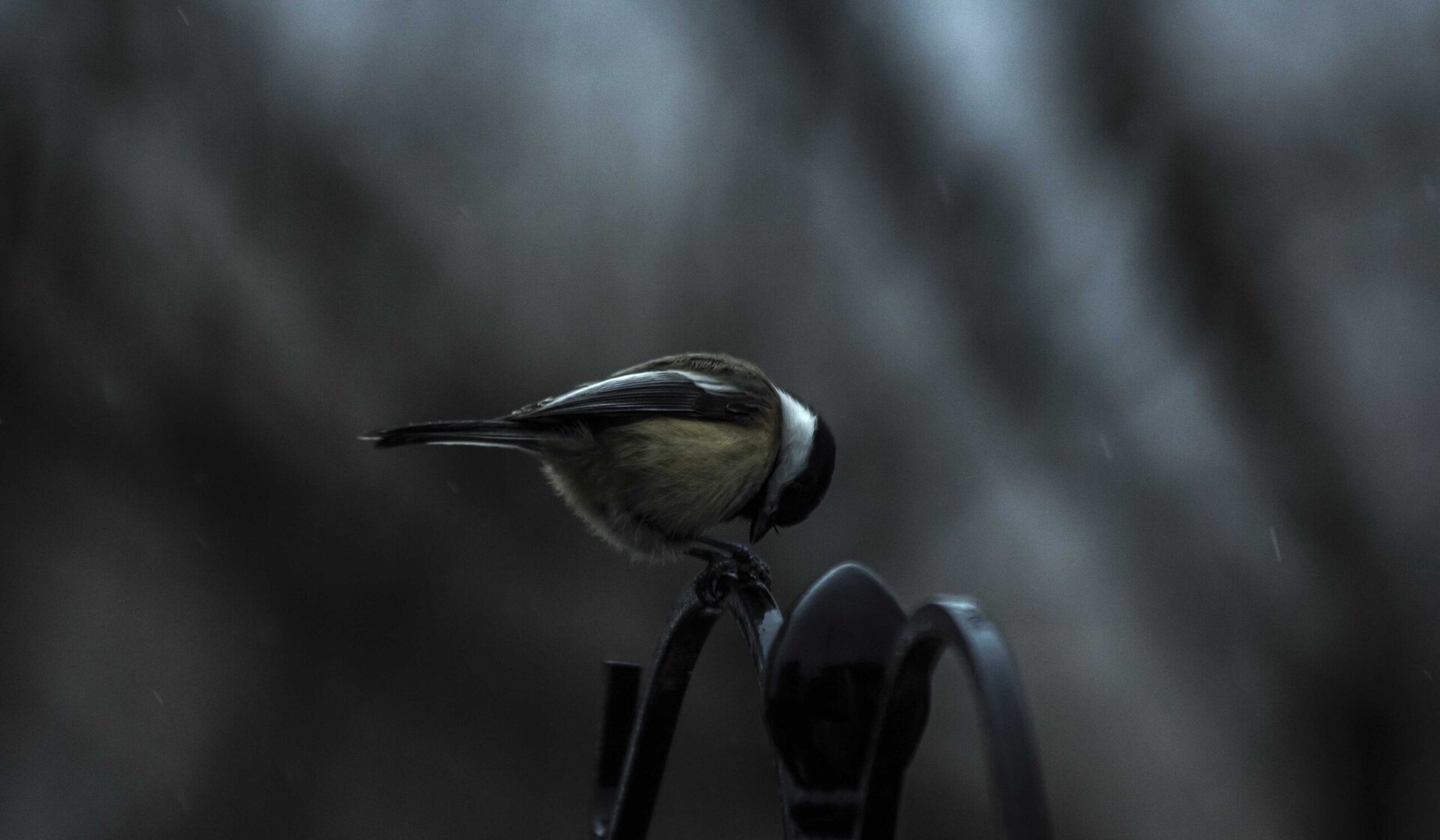
Chickadees prefer sunflower seeds, suet and peanuts. Usually, you’ll only see one Chickadee feeding at a time as there’s a pecking order (no pun intended).
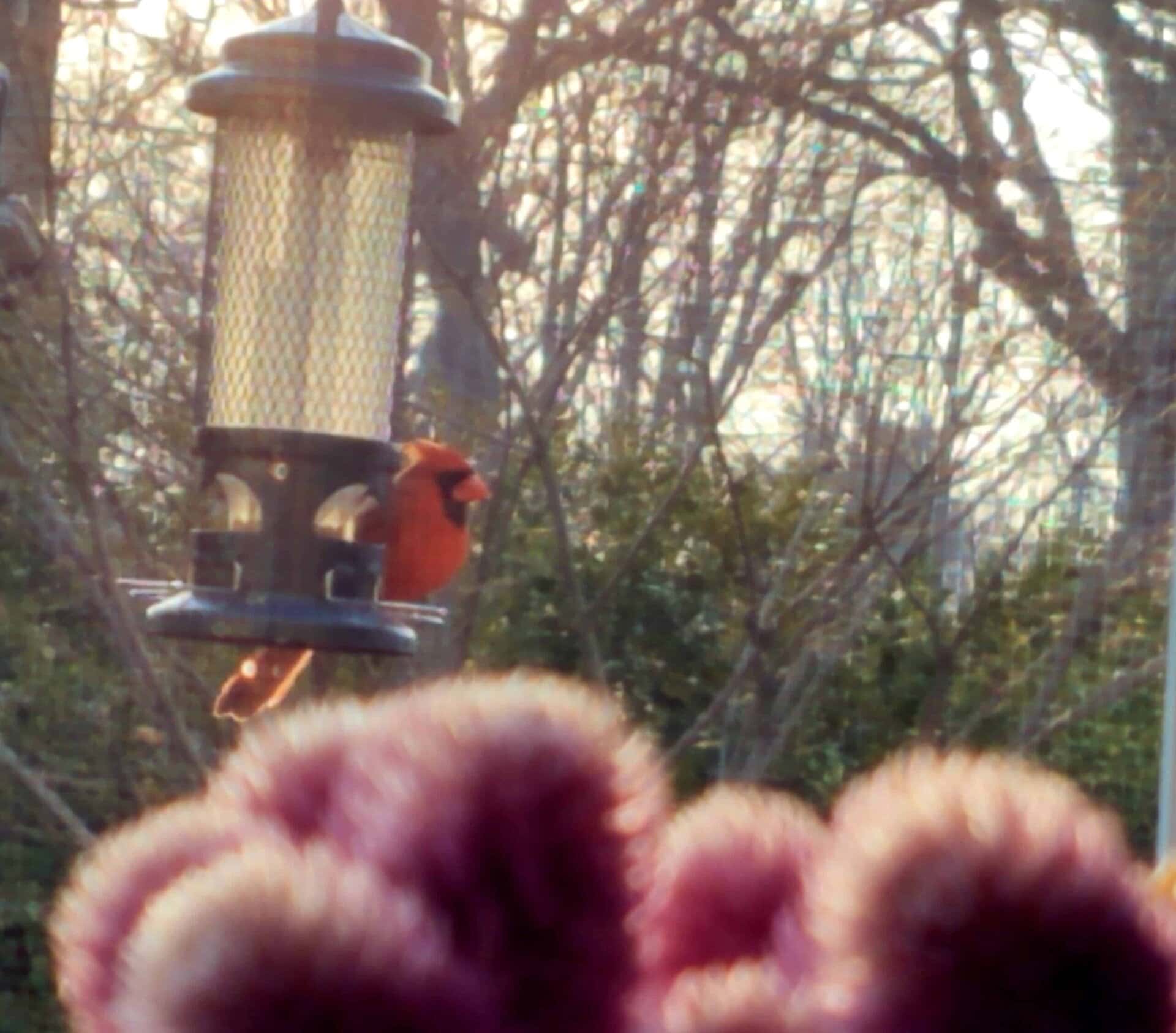
Cardinals prefer sunflower seeds. Consider buying shelled sunflower seeds as they are less messy but more expensive.
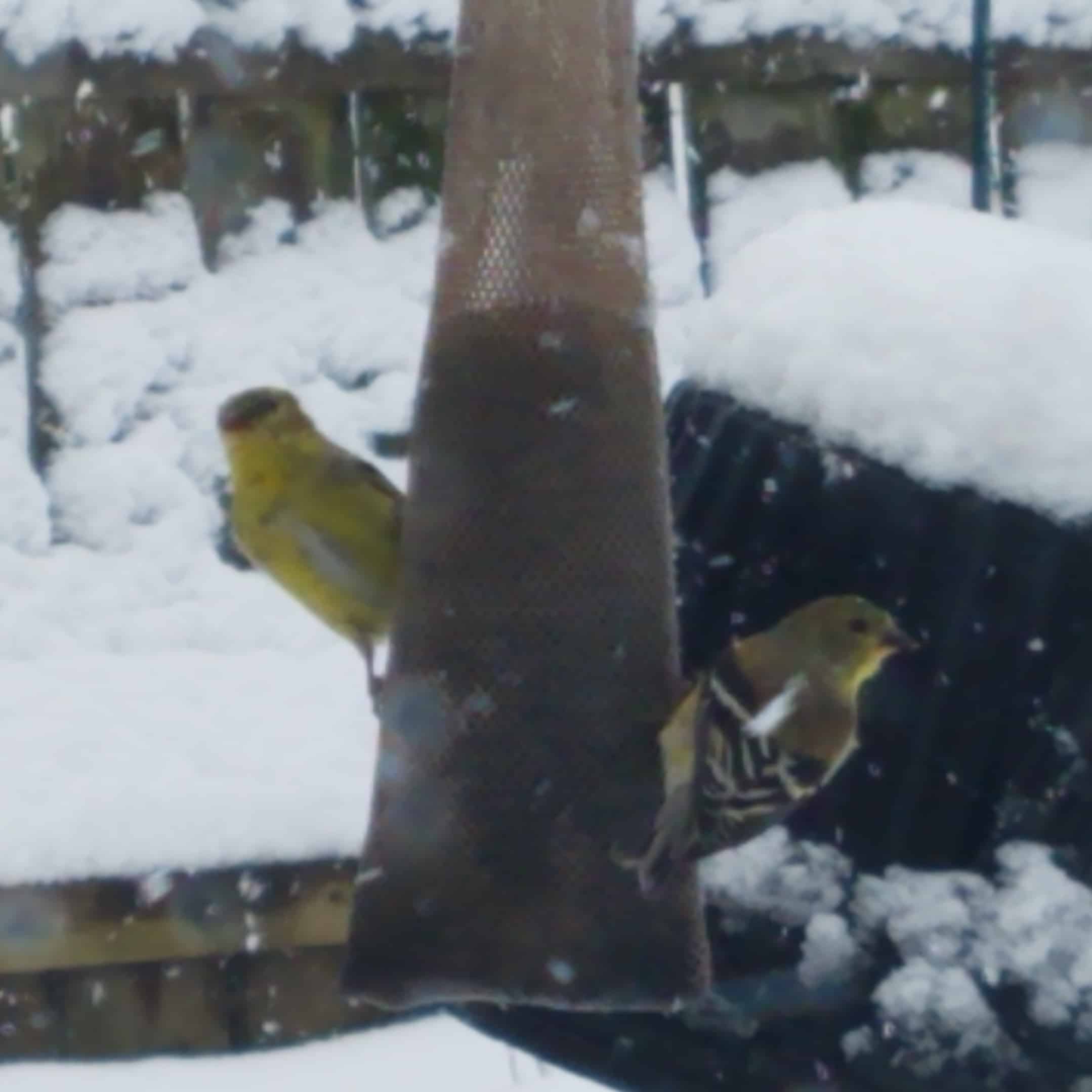
Goldfinches have a penchant for thistle seeds. If you want to attract these dainty beauties, opt for a thistle feeder, which will also keep bigger birds at bay.
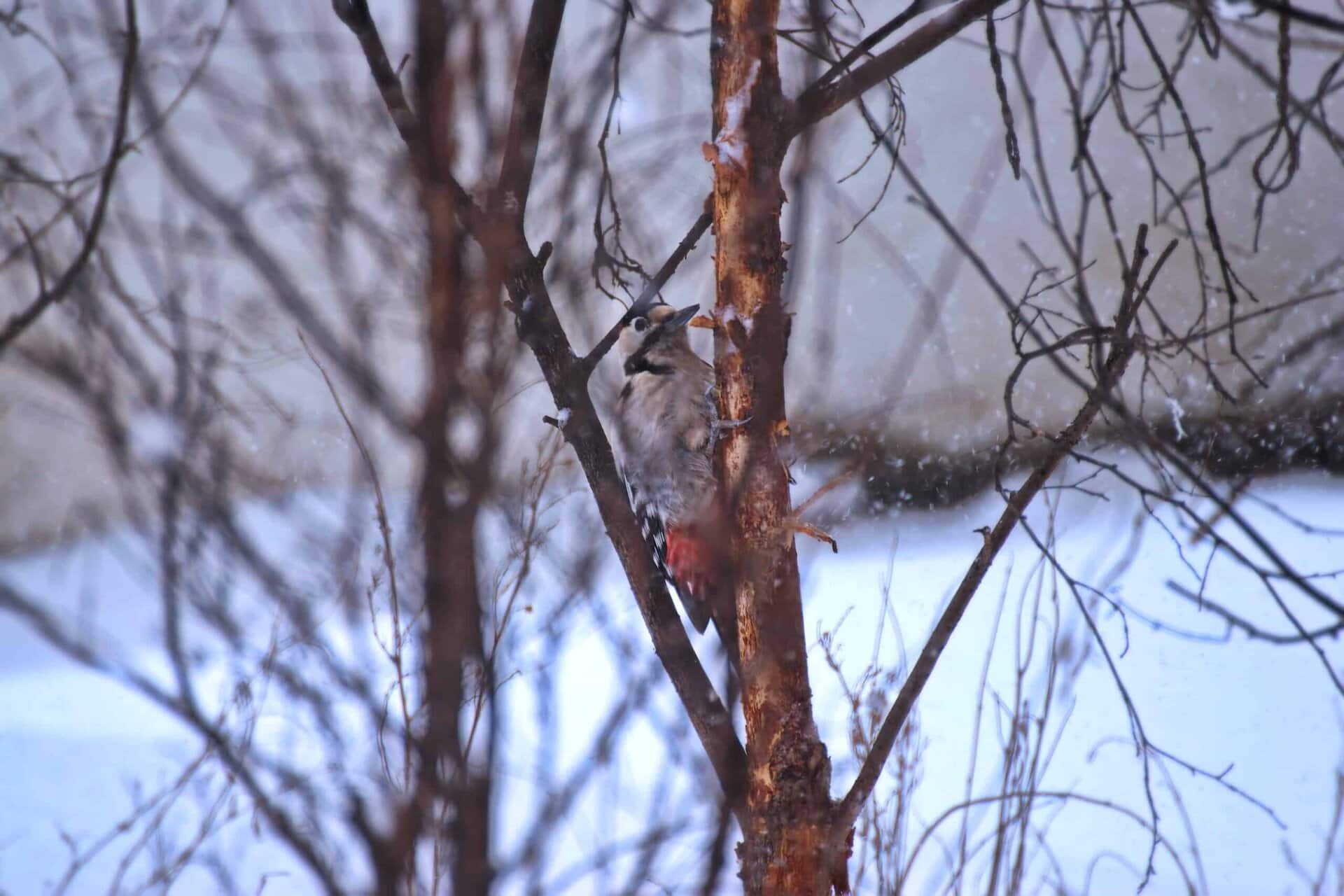
Woodpeckers, though quite adept at finding larvae and insect eggs within tree bark, will eat suet and peanuts.
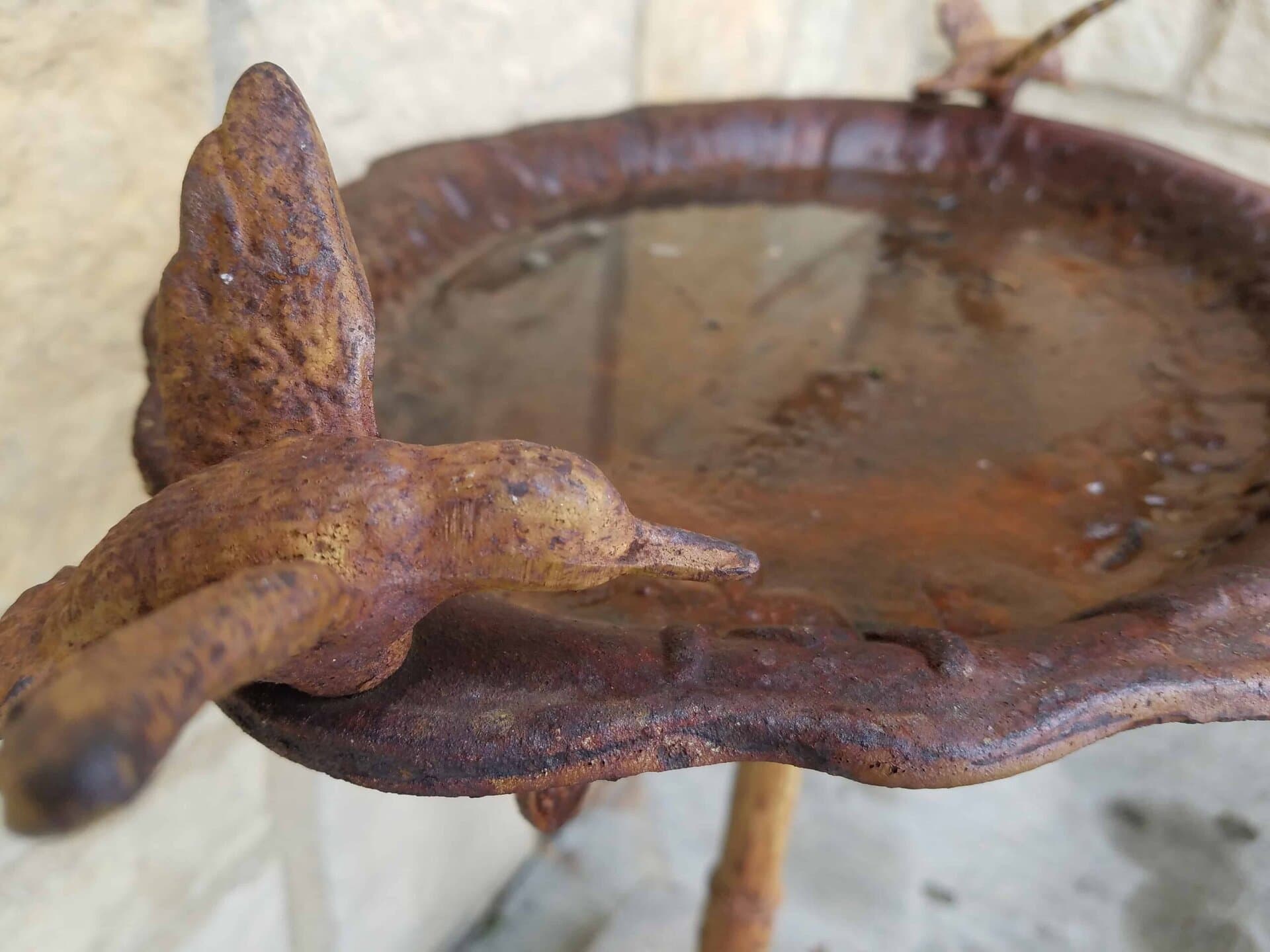
Remember to offer water when possible as it is equally important as food. Heated birdbaths are available that keep water from freezing. Then, with a little patience and know how, you’ll be enjoying frequent visits from our feathered friends. Reach out to Sweeney’s for any questions or Spring-related projects. It’ll be here before you know it. We proudly serve the communities of Villa Park, Elmhurst, Oakbrook, Oakbrook Terrace, Glen Ellyn, Lombard, Wood Dale, Itasca, and more!
Sweeney’s: A Plant Based Company
Plant of the Week
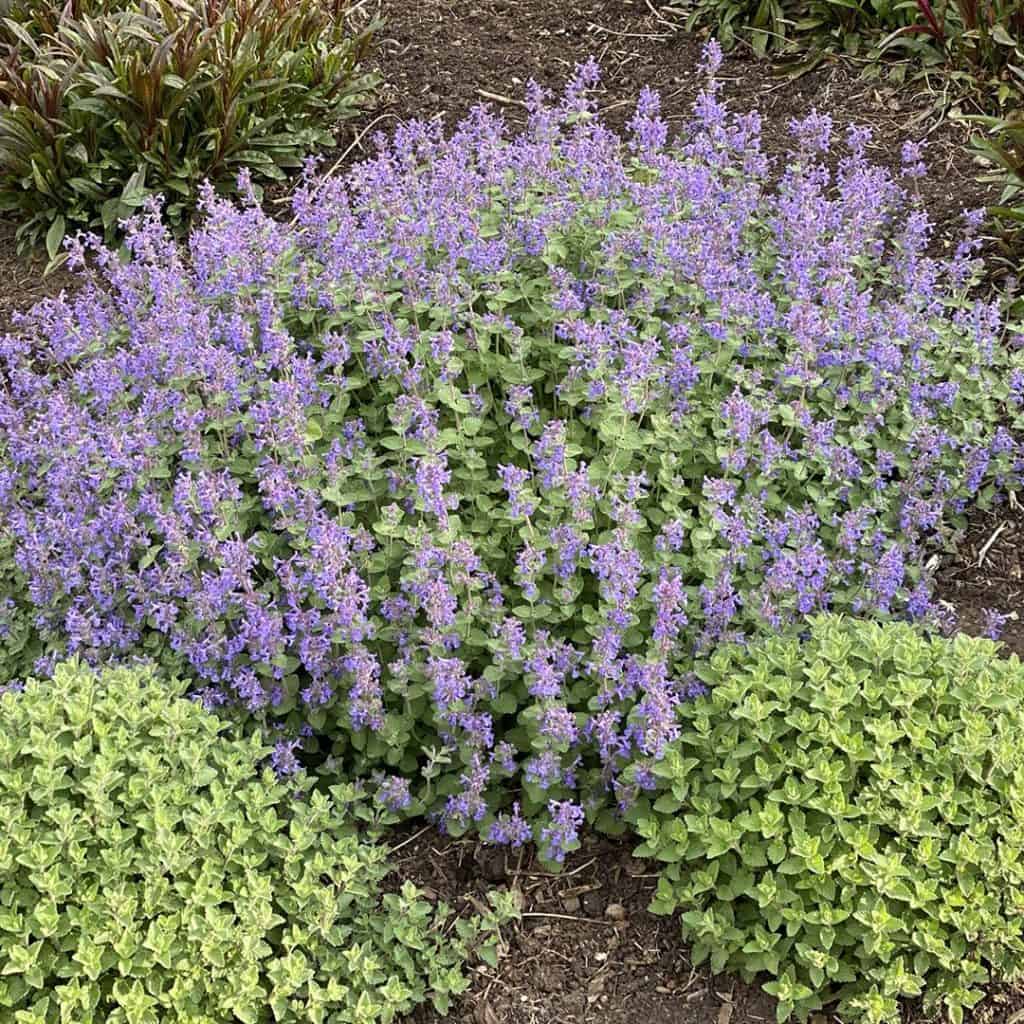
Early Bird Catmint
Spikes of lavender blue flowers bloom above aromatic gray-green foliage April – September. Prefers full sun and dry soil. Grows 12-18″ tall and 12-18″ wide. Attracts butterflies, hummingbirds and pollinators. Drought tolerant. Deer and rabbit resistant.
“And from Humming-Bird to Eagle, the daily existence of every bird is a remote and bewitching mystery.”
~Thomas Wentworth Higginson
Well wishes,
Kim Sweeney