
Nascent Summer seems to have settled in nicely, replete and contented. Yet her once dewy, fresh face begins to grow sallow and somber under the impossible weight of hot, humid temperatures and lack of meaningful moisture. Her youth, vigor and novelty are starting to wear thin. July is upon us.
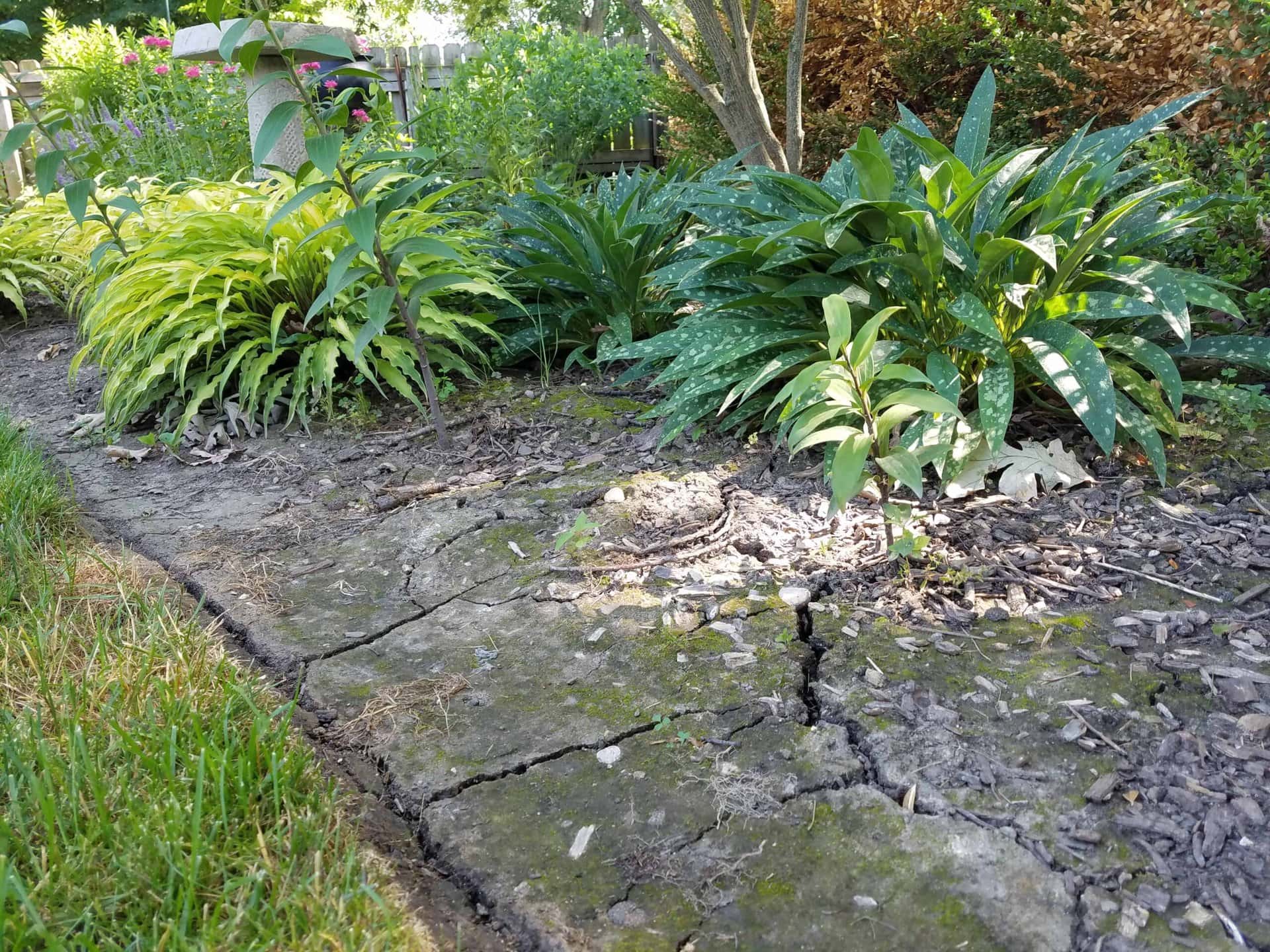
As season’s change and weather cycles, rain can seemingly turn off after months of heavy precipitation. A few consecutive weeks without any measurable moisture can be harmful to our plants, lawns and trees, especially when temperatures are consistently hot.
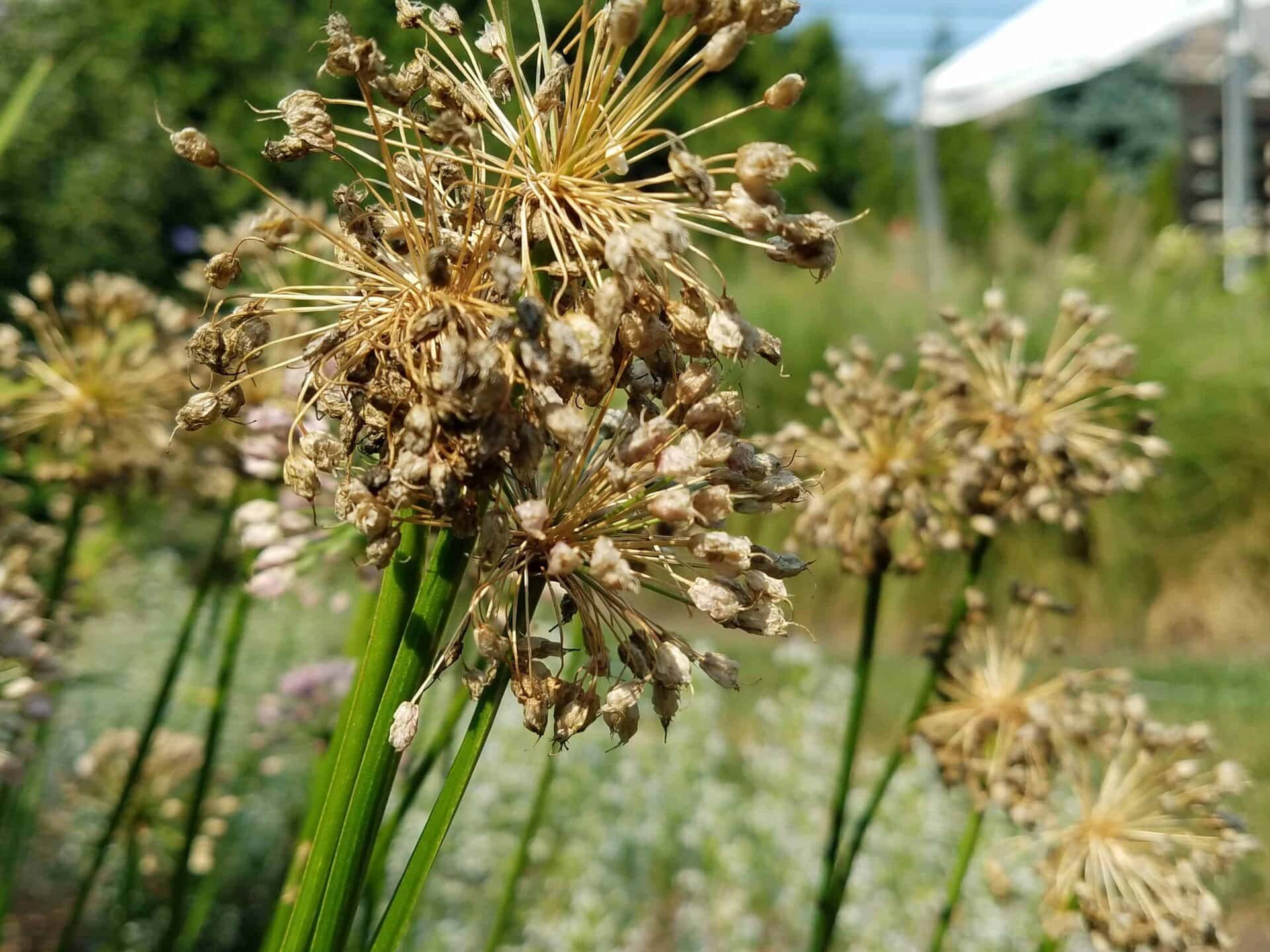
It may be a bit preemptive; however, a decision should be made now regarding your lawn. When water is scarce and weather is hot and dry, lawns go dormant. It’s what they do. It’s a form of hibernation, a defense mechanism, if you will. Therefore, you must either decide to let the lawn go dormant or commit to watering. If you start watering, you must continue, at least until consistent rains arrive. Watering here and there actually does more damage than not watering at all. Here’s why.
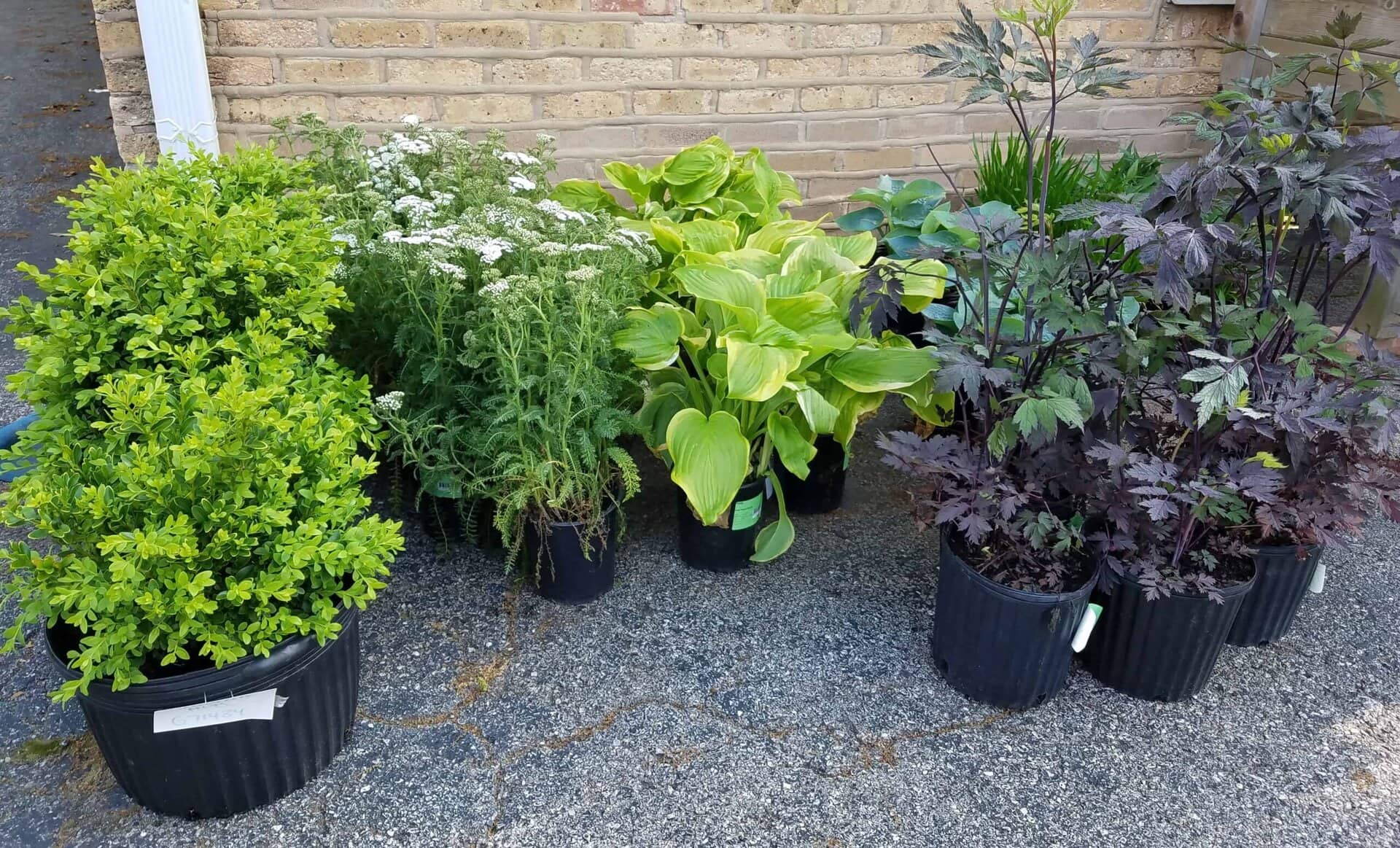
Newly planted shrubs, perennials or trees should be carefully monitored. They are more susceptible than established plants and often suffer from leaf scorch during periods of hot, dry weather. They need about 1″ of water per week . Plain and simple.
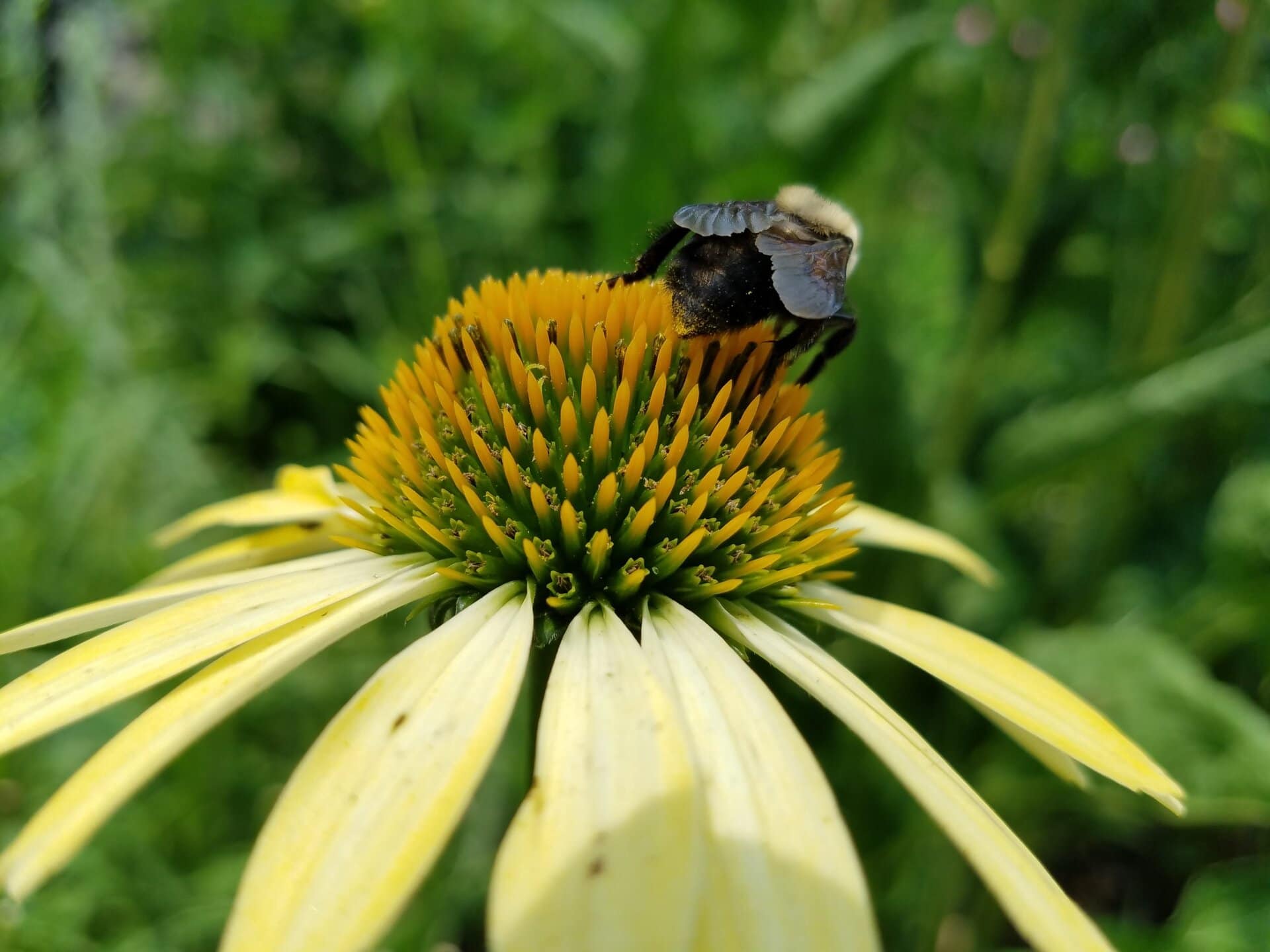
Plants with deeper root systems, like many native plants, and prairie grasses require a longer soak and should be mulched to help maintain moisture. Roots make up about a 1/4 to a 1/3 of the total dry weight of a plant. Consider employing a soaker hose.
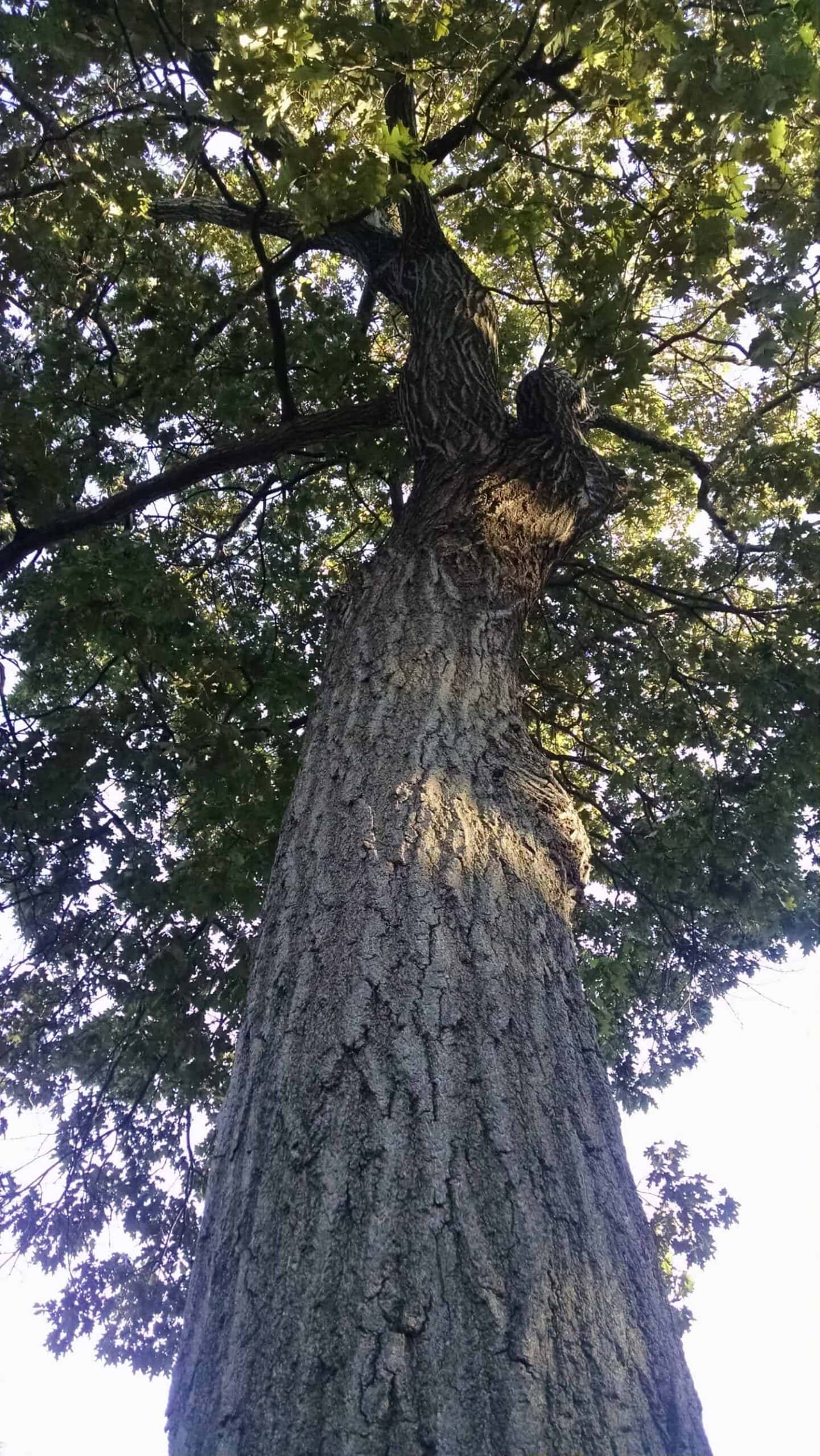
Trees too generally have deeper root systems, but they are more extensive and capable of reaching other water sources underground. Perennials and annuals aren’t as extensive and therefore require supplemental watering.
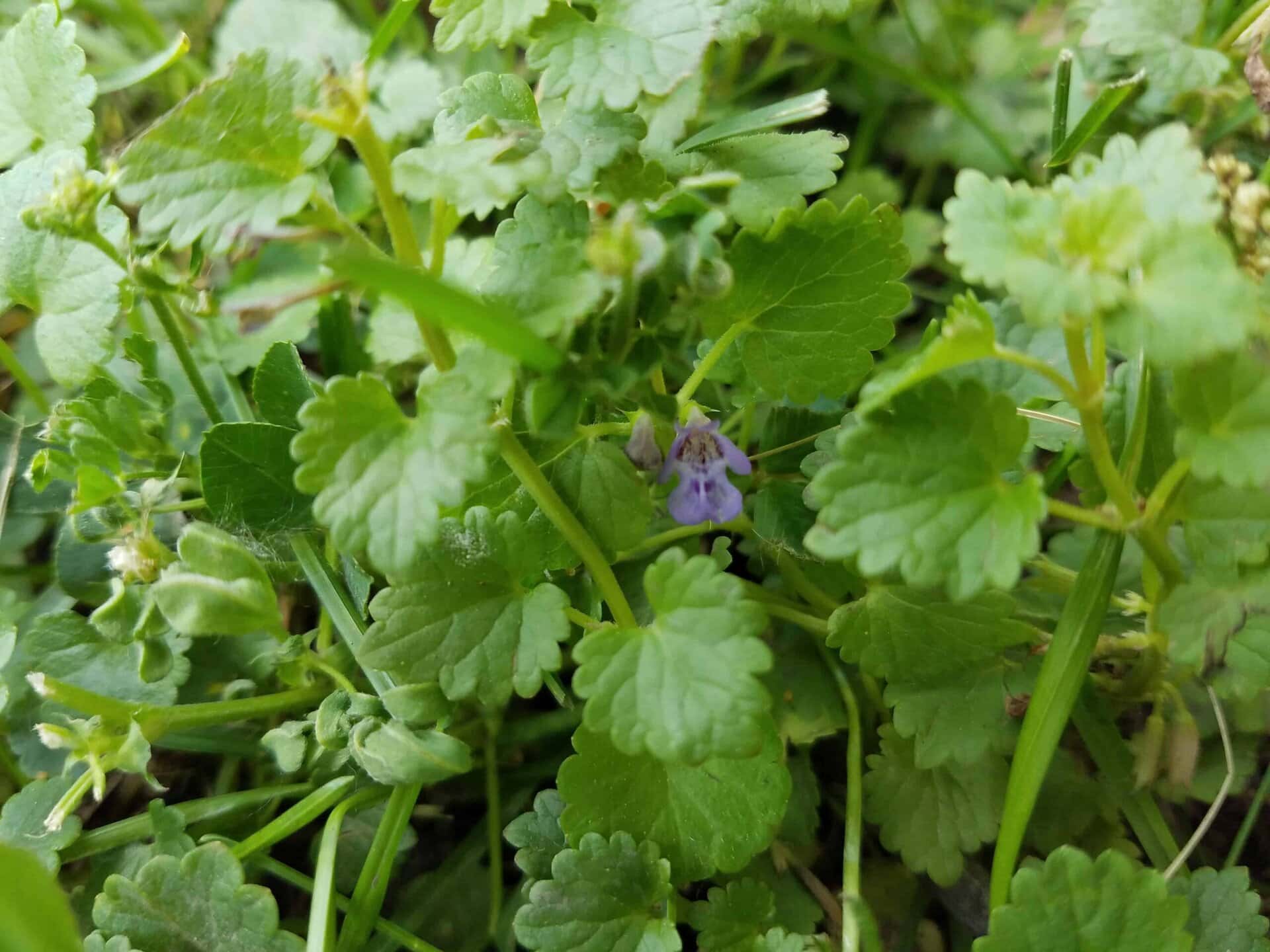
Remove water competitors, like weeds, who are fighting for the same moisture your other plants and lawn need.
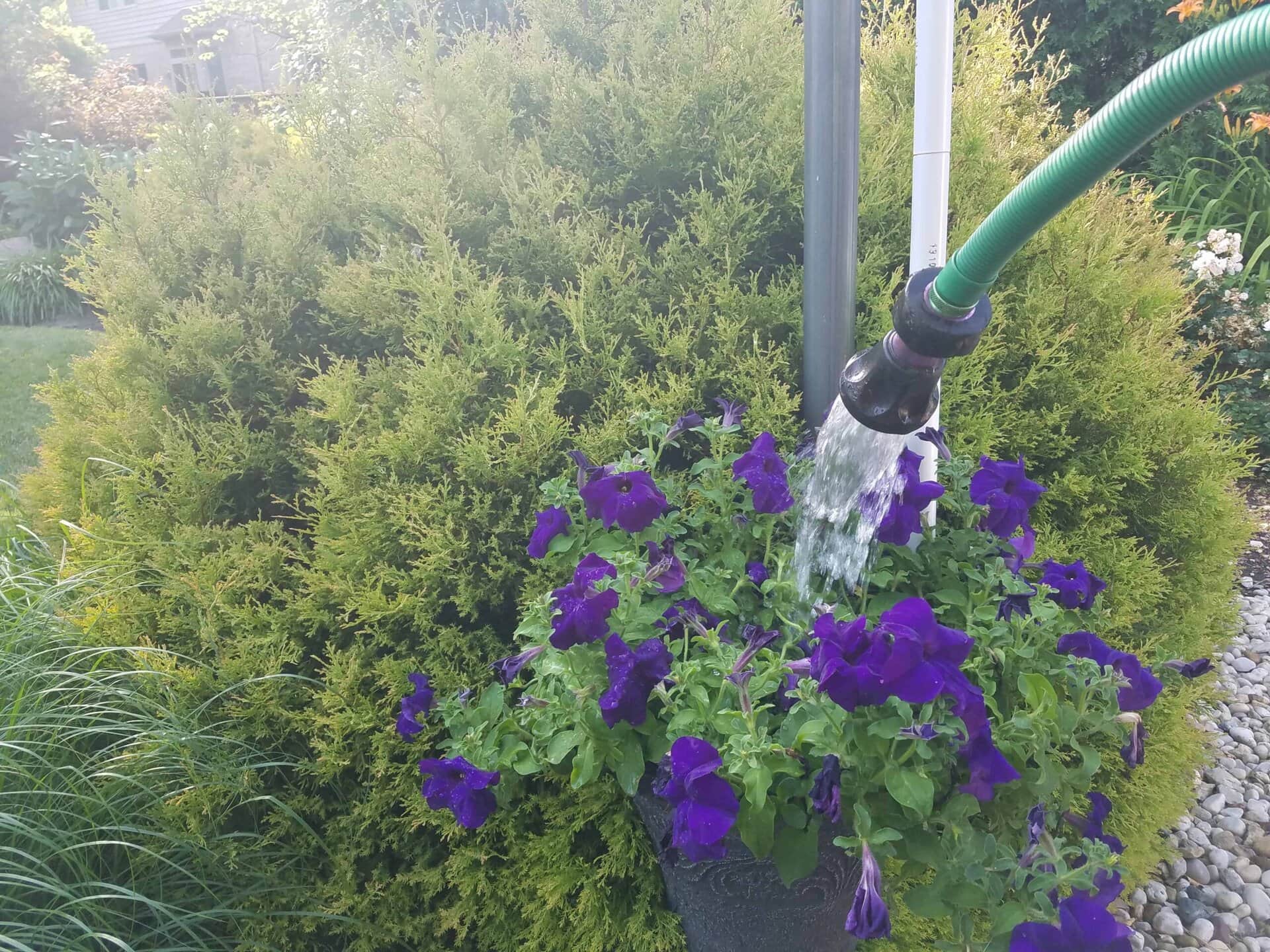
Watering should be done either early in the morning before temperatures rise and winds pick up, OR early in the evening. Keep in mind, foliage needs time to dry before nightfall, so do not wait until dusk and never water at night.
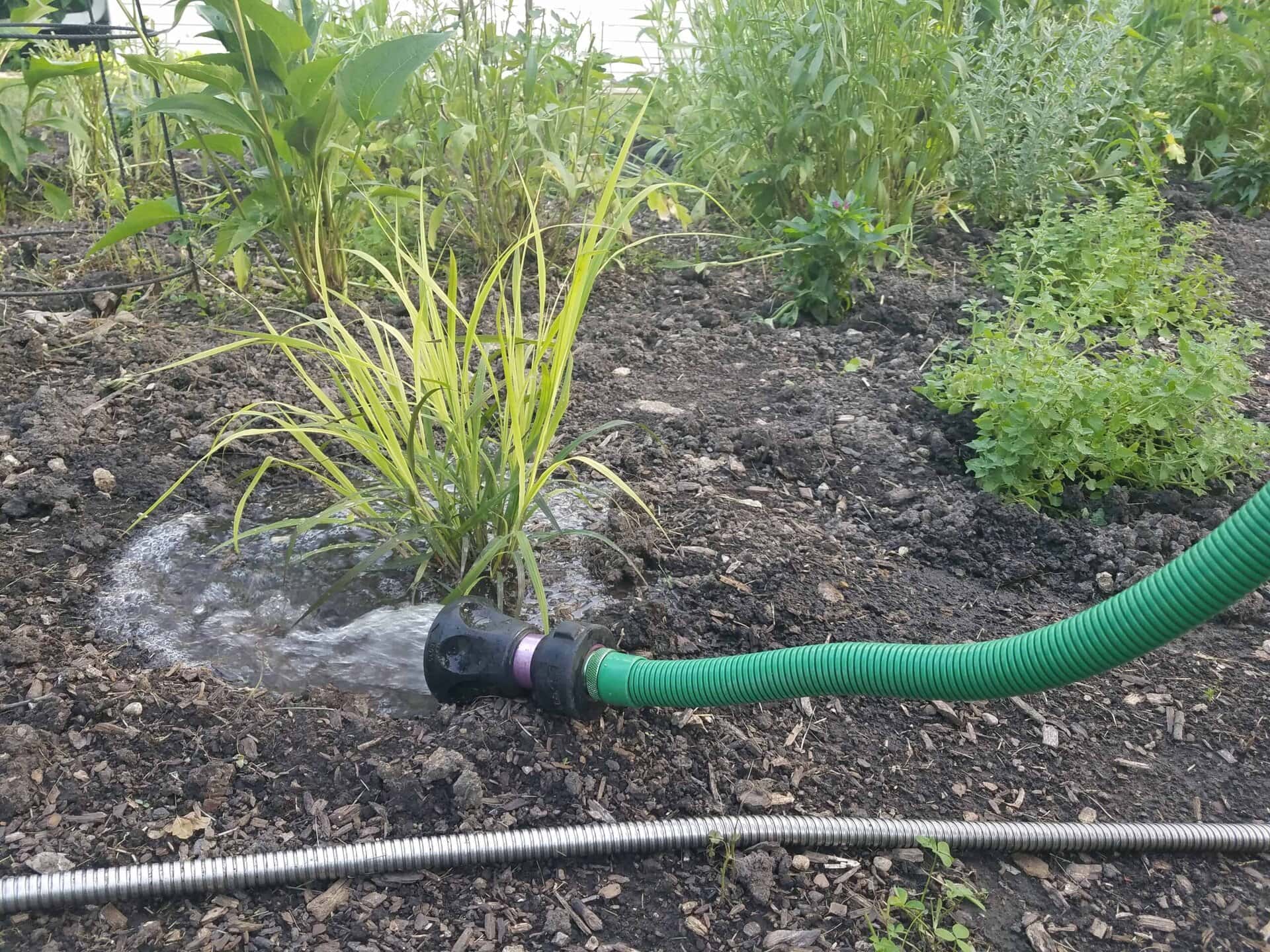
Never employ water from a hose that was left in the sun. Water temperatures inside a hot hose can potentially damage plants. Always store hoses in cool, shaded areas where optimal temperatures are maintained for watering.
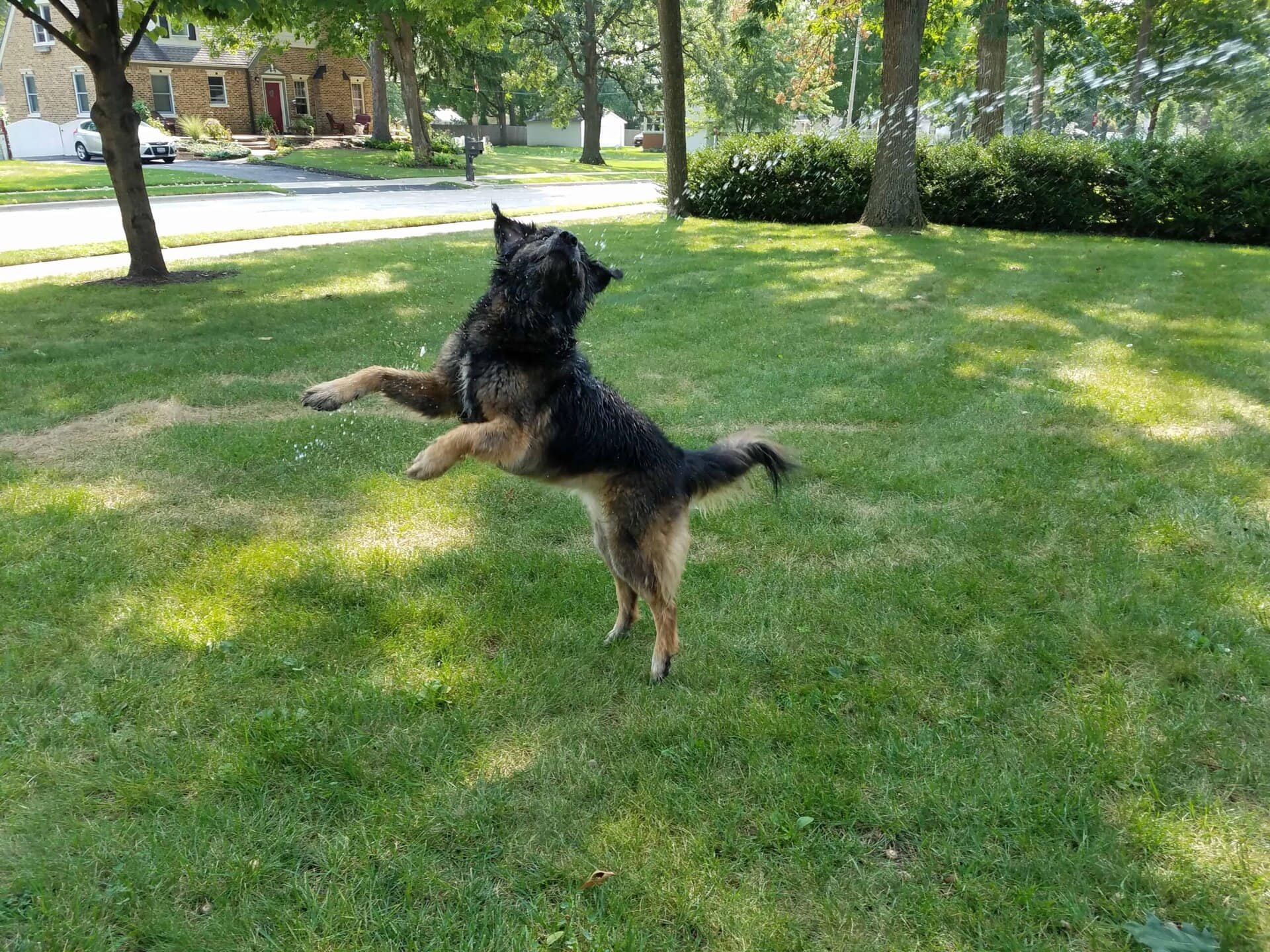
We may not technically be in a drought yet, but these methods can be employed throughout the season when rain is scarce. Feel free to reach out to Sweeney’s for additional tips or assistance with any of your landscape, gardening and/or watering needs. We proudly serve the communities of Villa Park, Elmhurst, Oakbrook, Oakbrook Terrace, Glen Ellyn, Lombard, Wood Dale, Itasca, and more!
Sweeney’s: A Plant Based Company
Plant of the Week
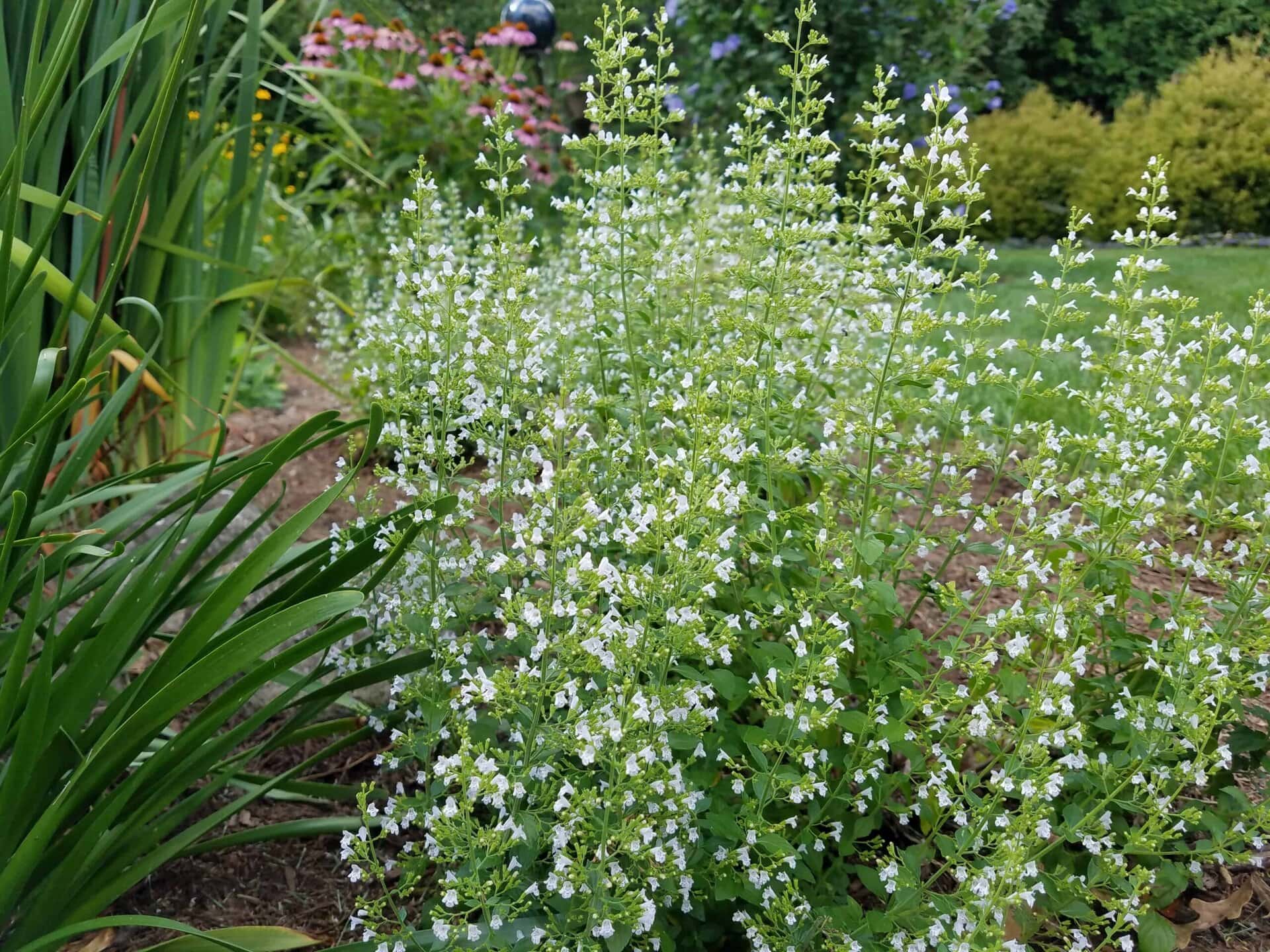
Lesser Calamint
Small white flowers bloom amongst mint-scented leaves from mid-Summer until the first frost. Flowers change to a soft lavender as night time temperatures drop. Prefers full sun and moist, well-drained soil. Grows 18-24″ tall and 18-24″ wide. Attracts butterflies and pollinators. Drought and salt tolerant.
“Midsummer noontide in a sky of brass:
The sun like flame licks at the blistered earth,
And shrivels up the blades of withering grass…”
~John Gould Fletcher
Best wishes,
Kim Sweeney