

April showers bring? What was it again? Towers? Hours? No. April showers bring intense Spring scours. Yes, that’s a word, and yes, I had to look it up to make sure I was using it correctly. Scours: noun 1. the action of scouring or the state of being scoured, especially by swift flowing water. So, yes, in addition to bringing lovely May flowers, April can be a month of great, unpredictable weather, namely thunderstorms with the potential for flooding.
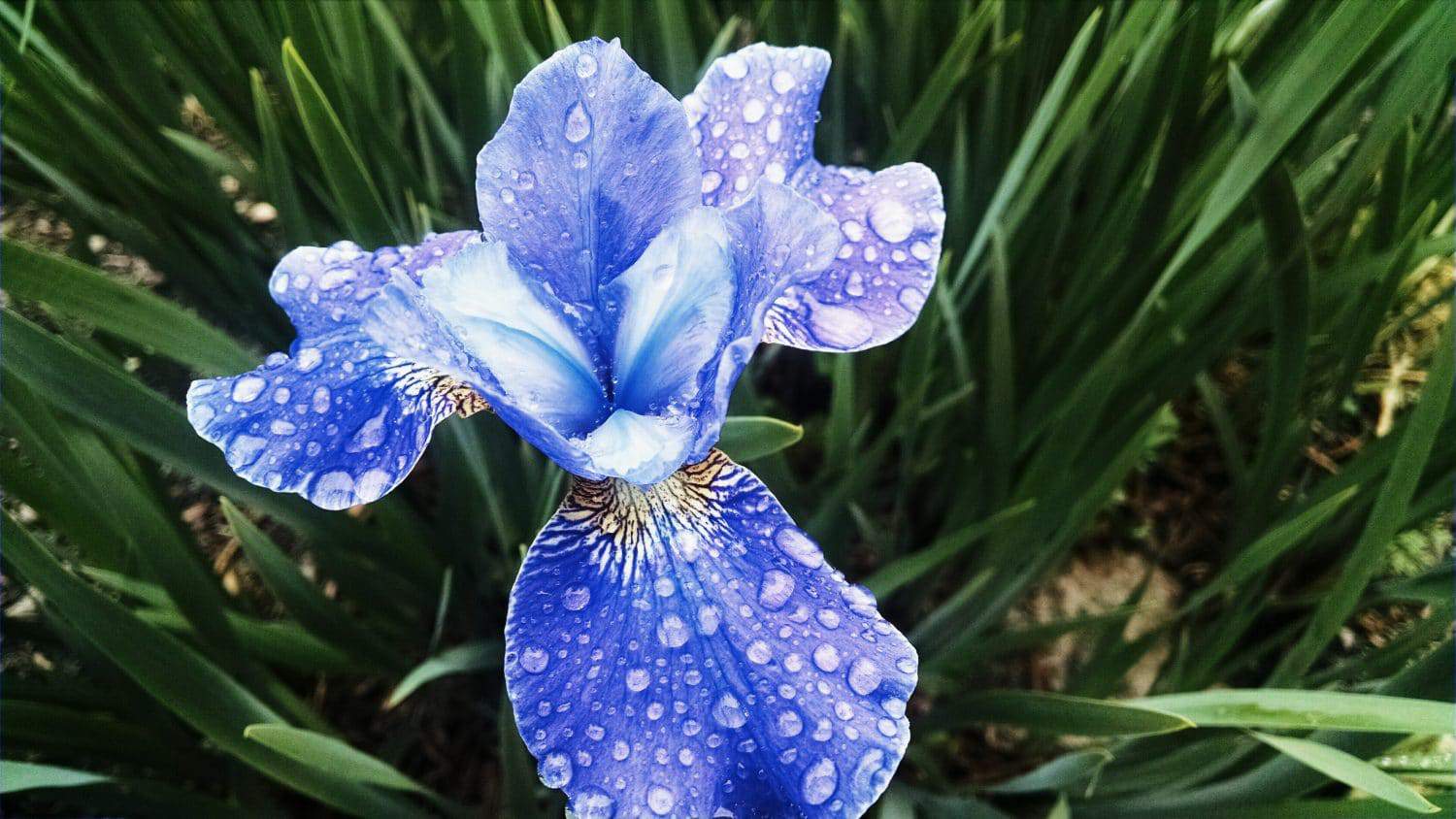
Water is a magnificent and powerful resource that should be entirely respected, whether it’s a body of water or precipitation. Water is a life source for people, plants and animals. It makes up 71% of the earth, 70% of our bodies and 80-90% of a plant, and thus far, Spring has delivered quite a bit of it, and is scheduled to deliver more.
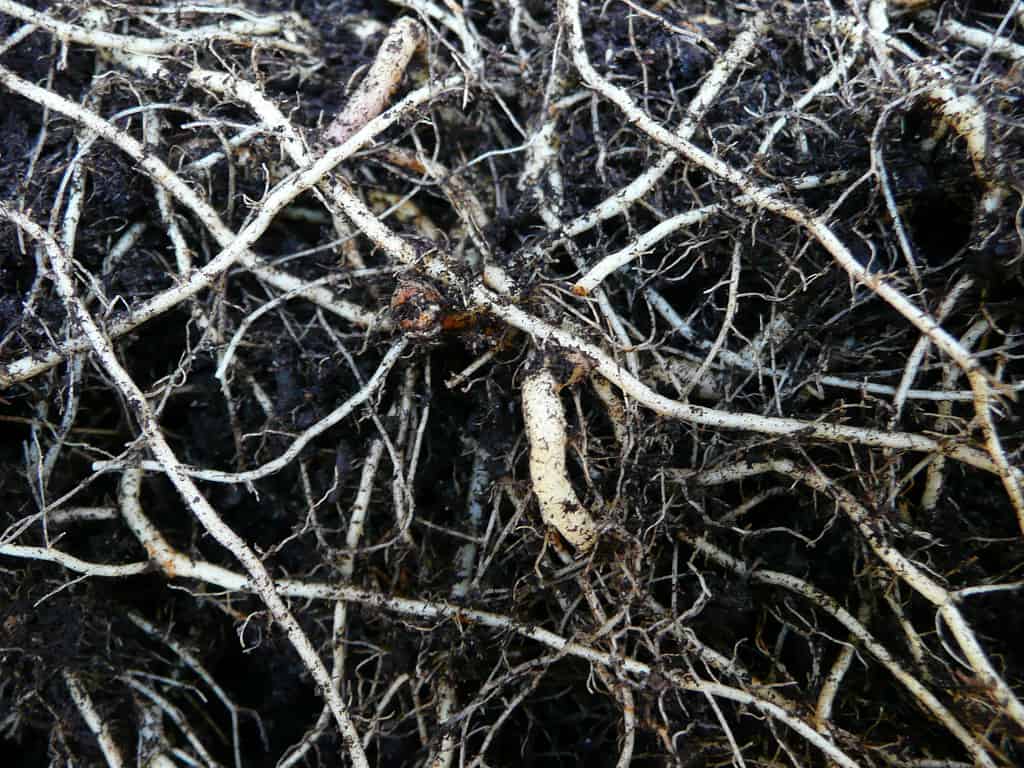
But water can also be detrimental, especially when not allowed to drain properly. Many plants, including trees and shrubs, do not like wet feet, and although they may look ok above the soil, their root structure may tell a different story. In many cases, after years of poor drainage, the tree or shrub will eventually die. In other cases, extreme root decay can lead to the tree falling over in heavy snow or high winds. Neither situation ideal.
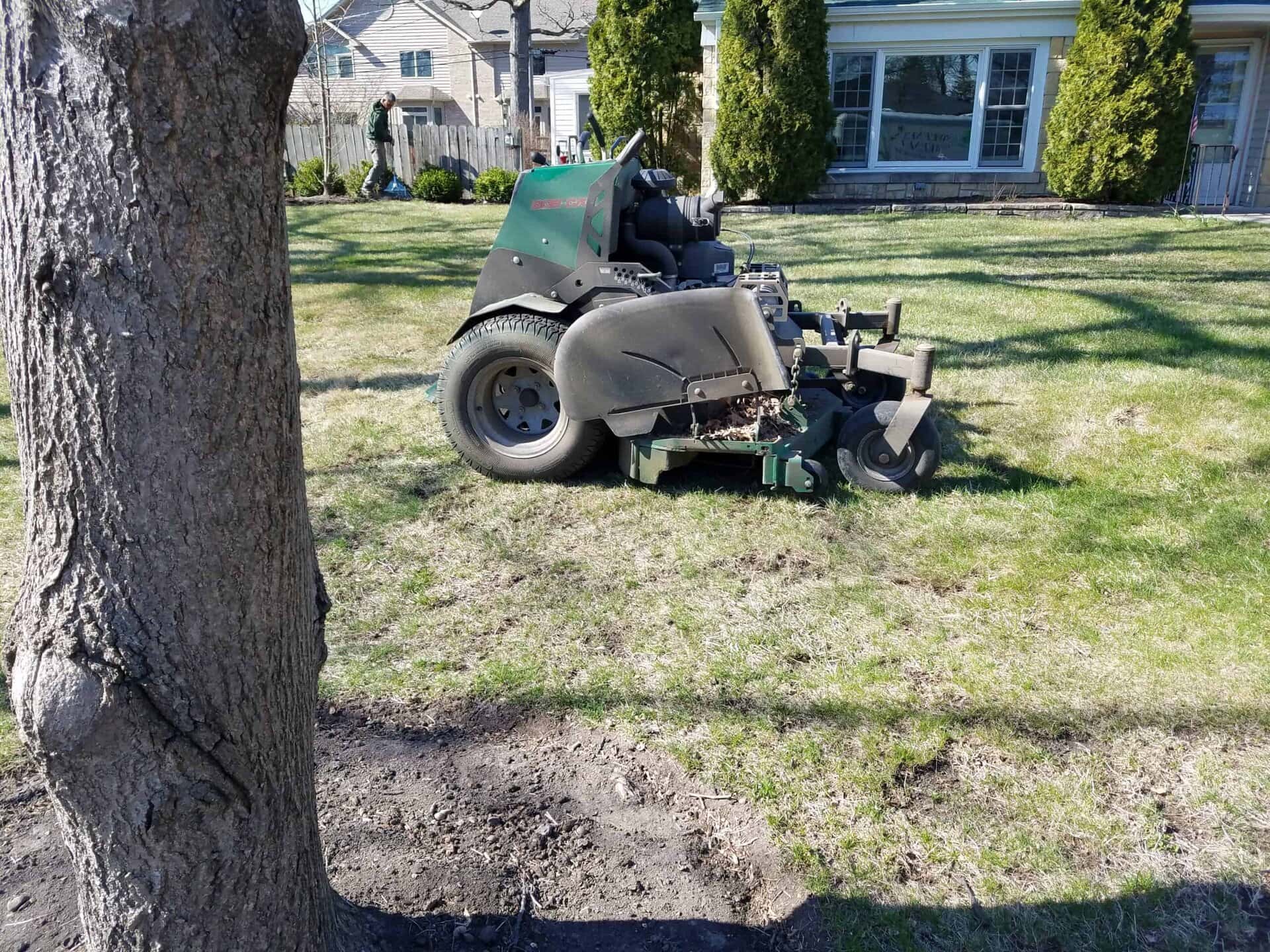
Additionally, mowing when the grass/ground is too wet can be hazardous to the operator as well as the lawn. Mowers can leave ruts, and tear grass blades. Further still, clumping can occur, which is bad for both the mower and lawn, and the results are generally less than neat and tidy.
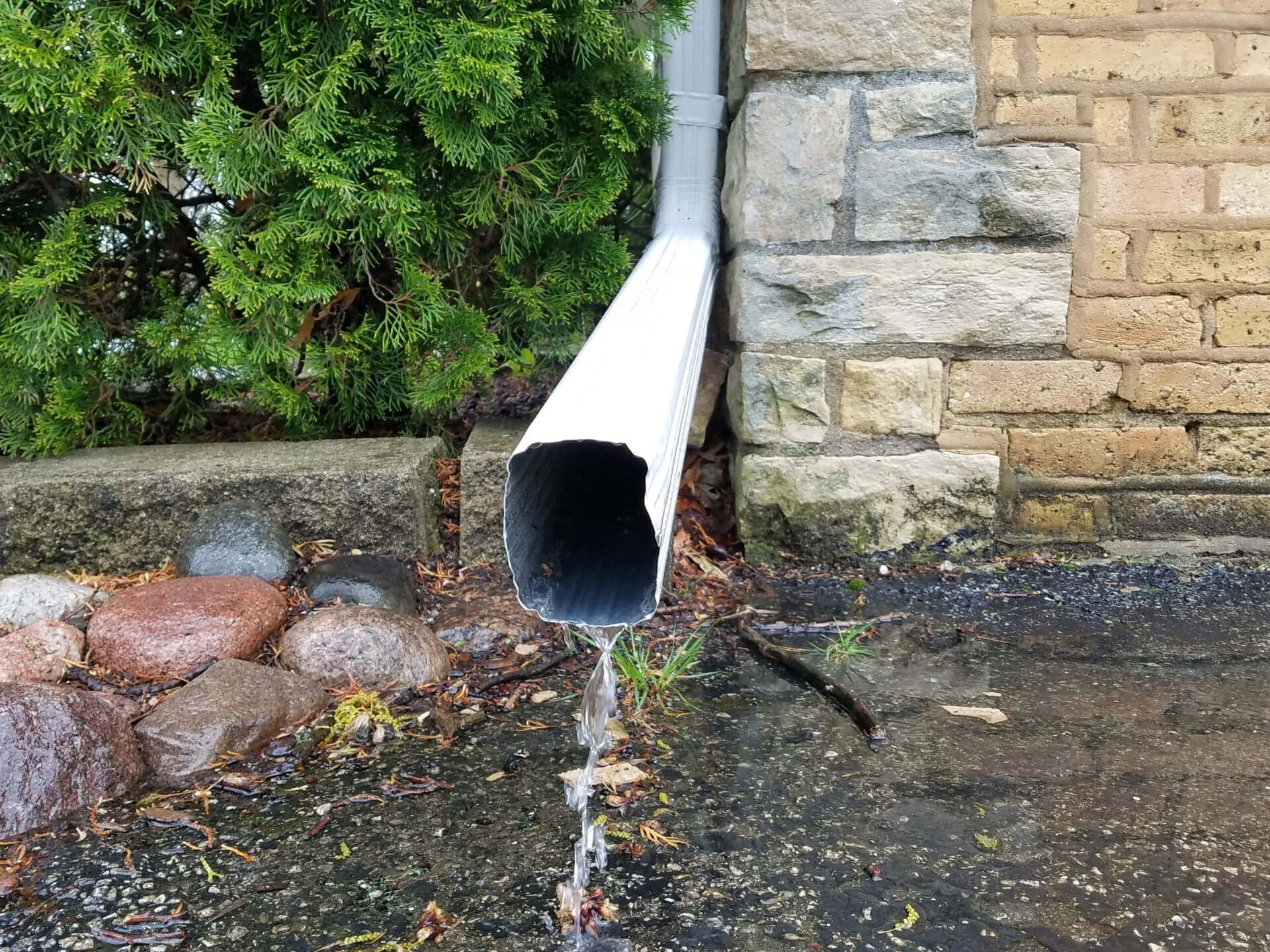
One of the most common and easily rectifiable issues is gutters and downspouts. Gutters and downspouts should be cleaned and cleared of all debris on a regular basis. Downspouts should be pointed away from the home, and in some cases, extended, so water doesn’t pool or puddle around the foundation and/or plant material.
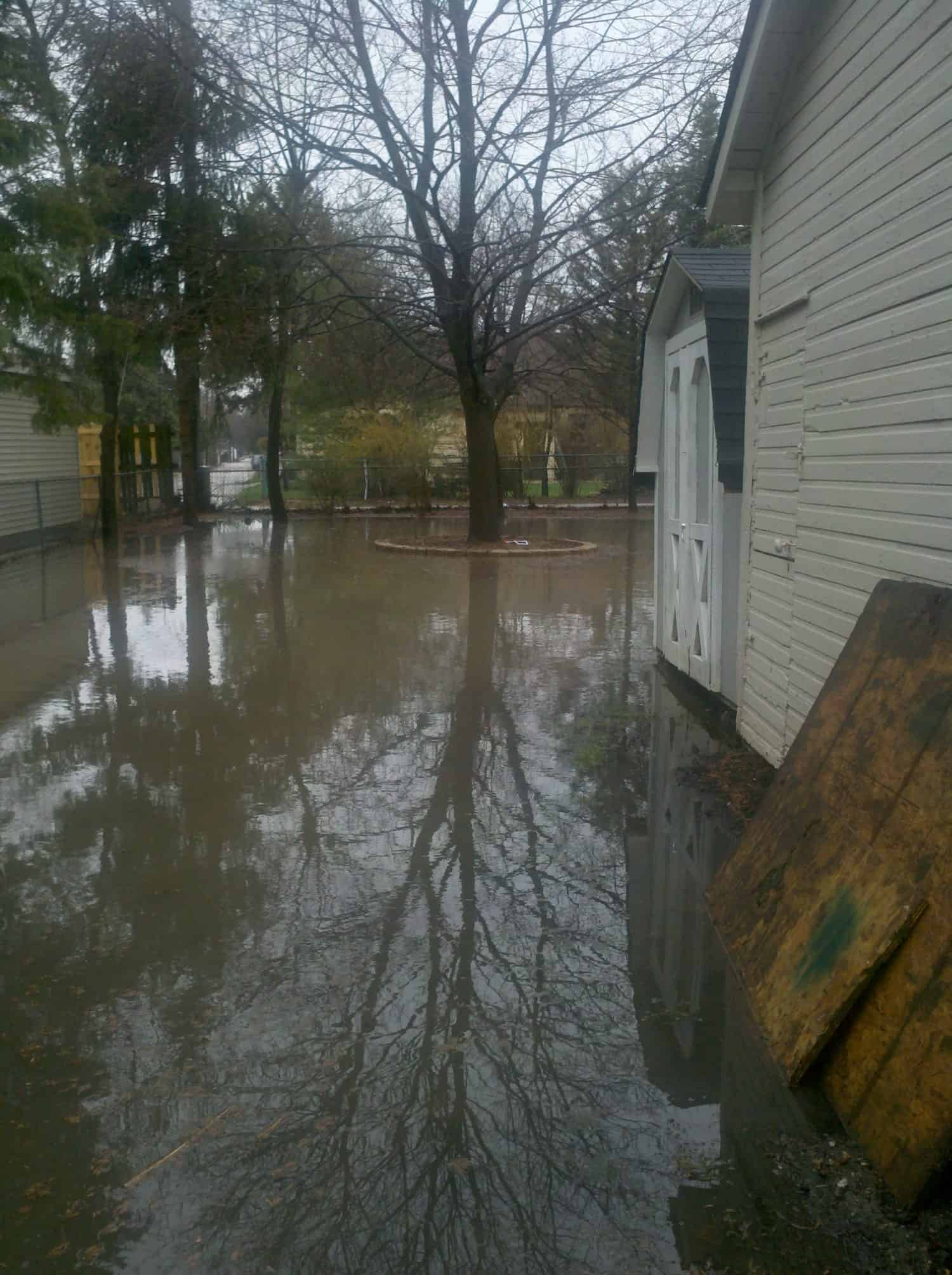
Drainage issues that persist should be evaluated by professionals. In some cases, drain tiles and drains must be installed. Other times, landscapes must be re-graded, so water drains properly and legally without impacting neighbors or the community.
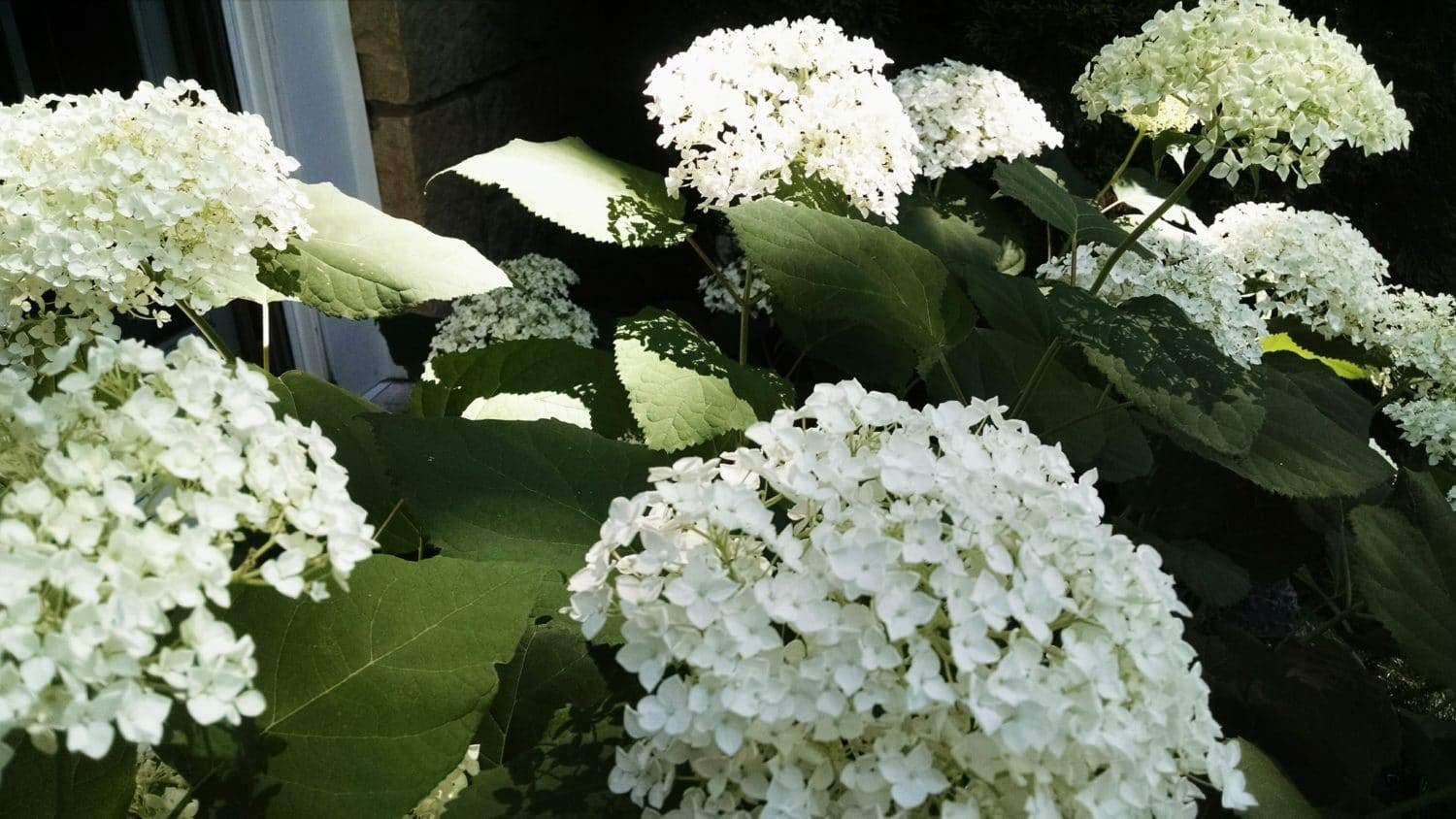
Consider looking to plants that thrive in moist soils. Their root systems can also help fight erosion, so additional soil and organic matter stay in place and won’t wash away. Red Maple and Eastern Cottonwood have a pretty high tolerance for moisture as do Winterberry, Virginia Sweetspire, and Oakleaf Hydrangea. Milkweed, Astilbe, Korean Feather Reed Grass, Ligularia, and Cardinal Flower are also excellent choices.
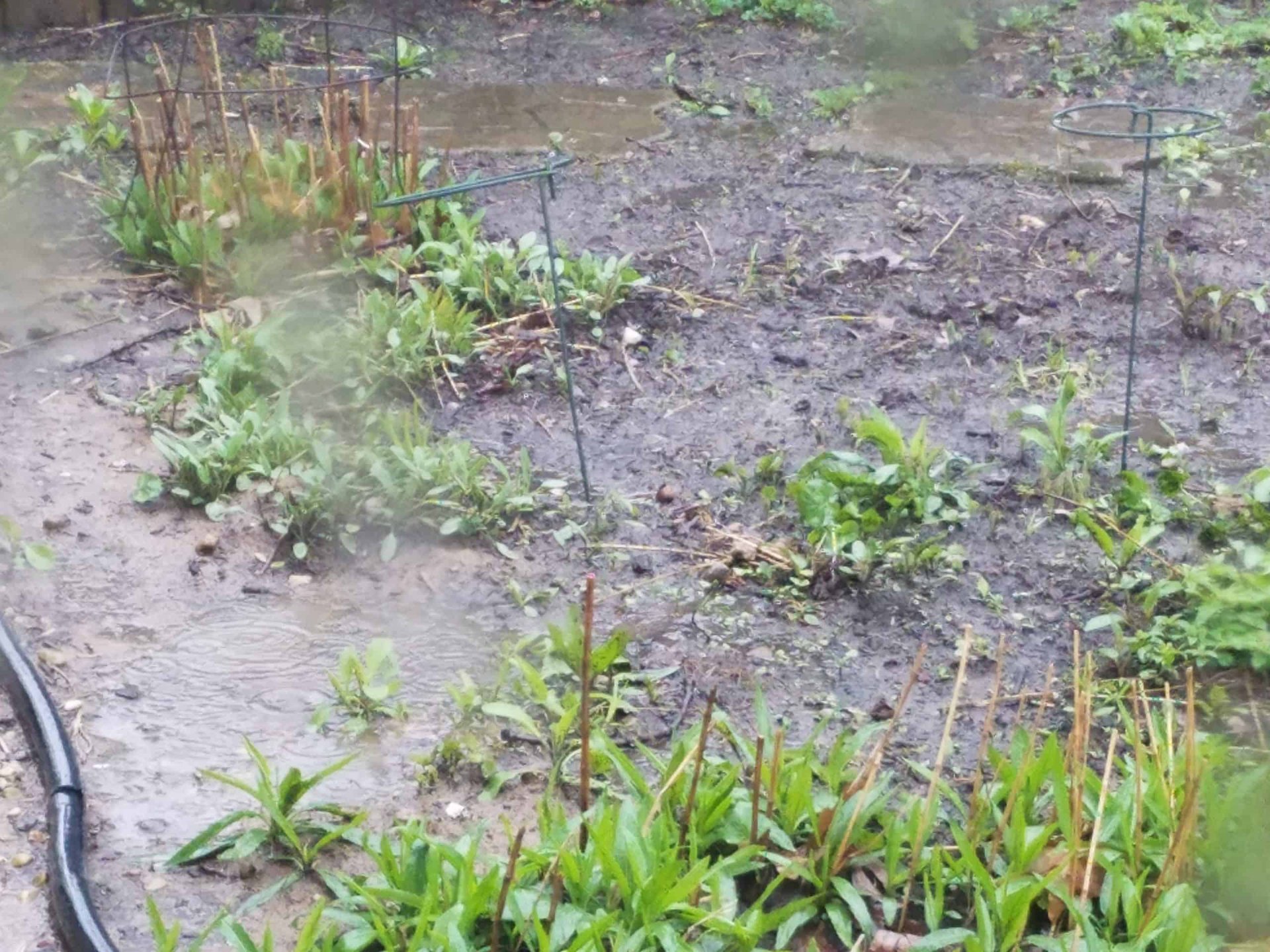
Got a drainage problem? Reach out to Sweeney’s! We can help address water issues or suggest plant material that will thrive in these problematic areas. We proudly serve the communities of Villa Park, Elmhurst, Oakbrook, Oakbrook Terrace, Glen Ellyn, Lombard, Wood Dale, Itasca, and more!
Sweeney’s: A Plant Based Company
Plant of the Week
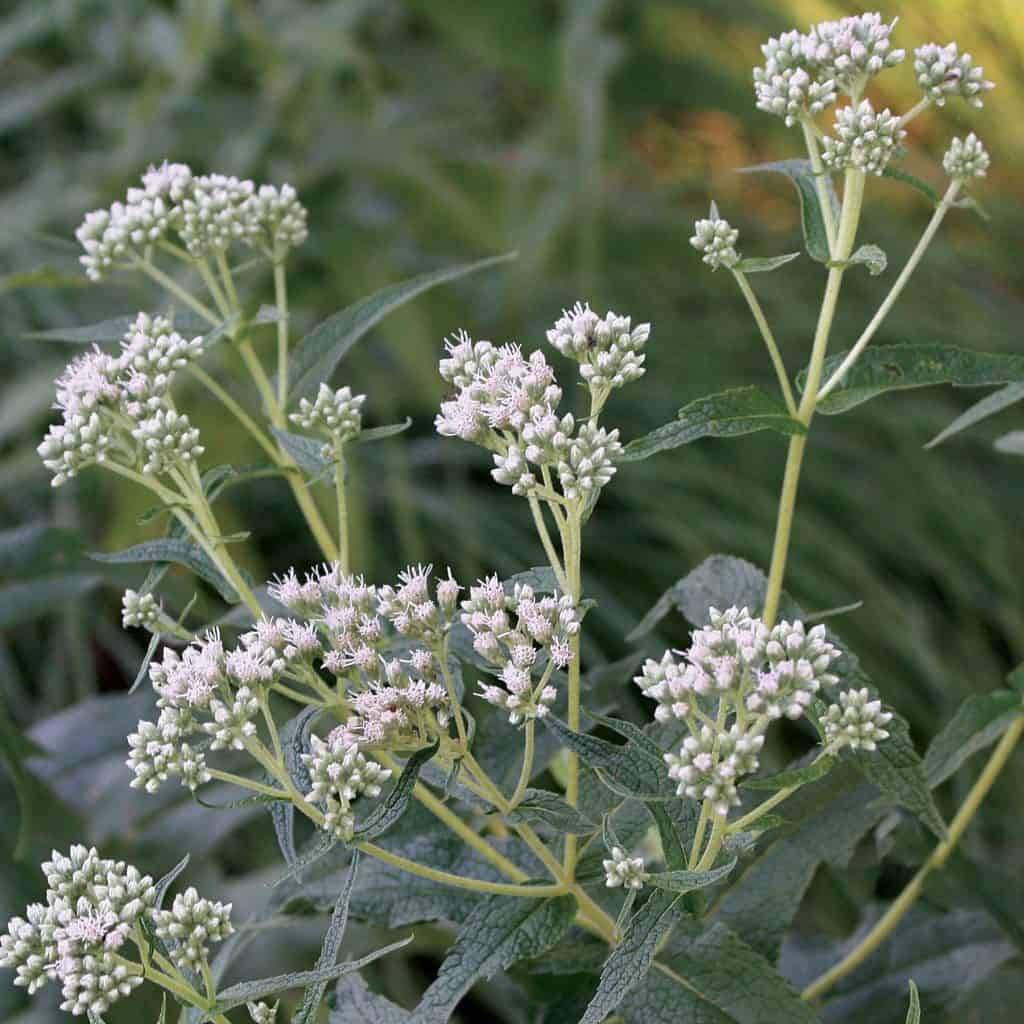
Common Boneset
Native, upright perennial produces fragrant clusters of white flower florets on tall stems from Summer – Fall. Prefers full sun to partial sun/shade and moist soil. Grows 4-6′ tall and 3-4′ wide. Attracts wildlife, butterflies, and other pollinators. Can tolerate occasional flooding. Perfect for rain gardens in either sun or shade.
“There’s an element of suspense in the air. The air is charged and dense… There’s always a period of curious fear between the first sweet-smelling breeze and the time when the rain comes cracking down.”
~Don DeLillo
Best wishes,
Kim Sweeney