
As the wind whipped through the canopies, animating every leaf and limb, their shadows cast a violent display on the ground – flickering wildly and unhinged. The trees thrashed and raged in what seemed to be a battle of unseen, invisible forces.
Now that temperatures are beginning to cool and nighttime temperatures beginning to plummet, frost poses a threat to many plants. Although frost is mostly visible, not completely unseen, the damage it can inflict occurs inside the plants’ cells. Some plants are able to withstand frost better than others and some are seemingly not affected at all, but why?
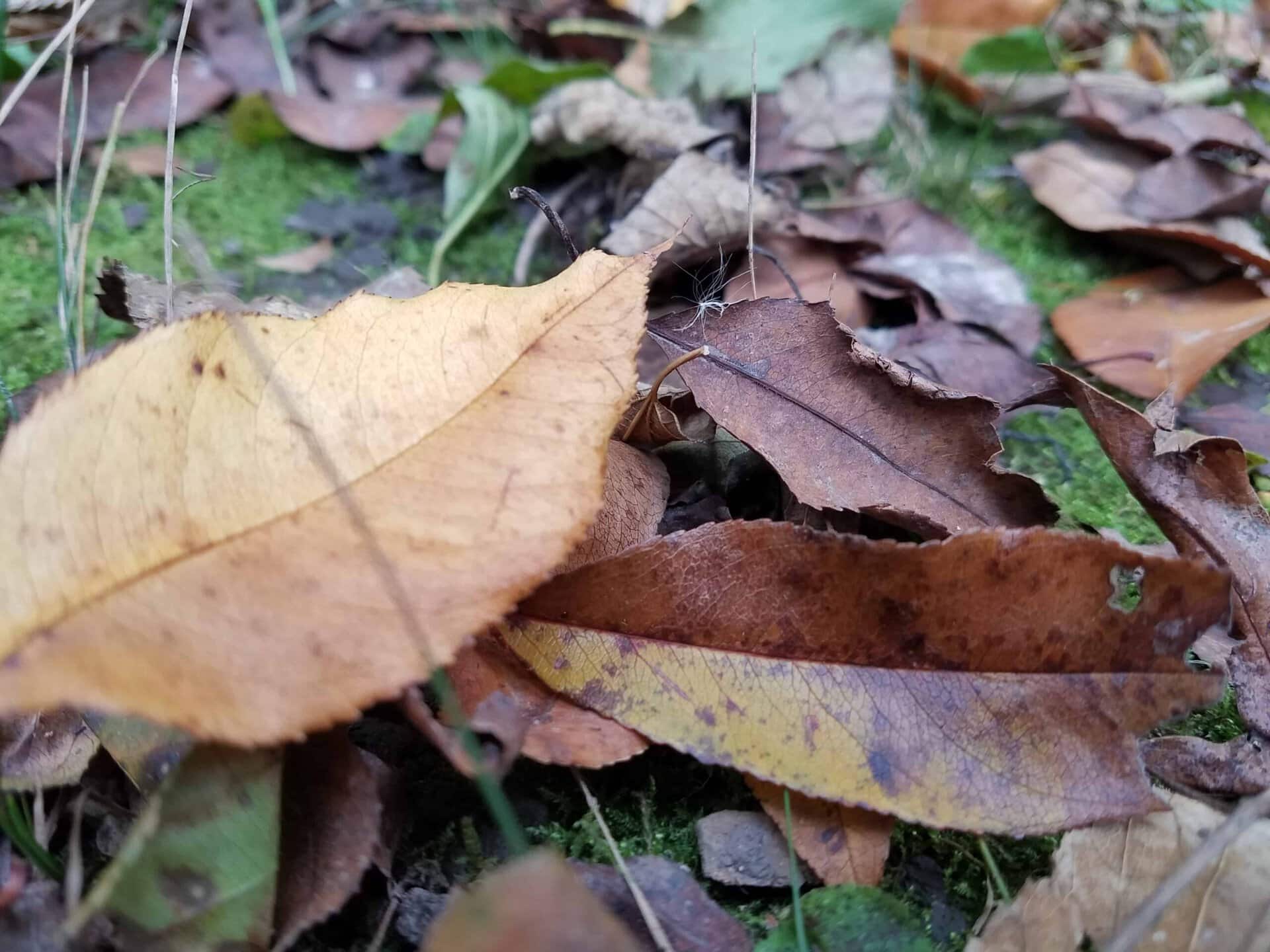
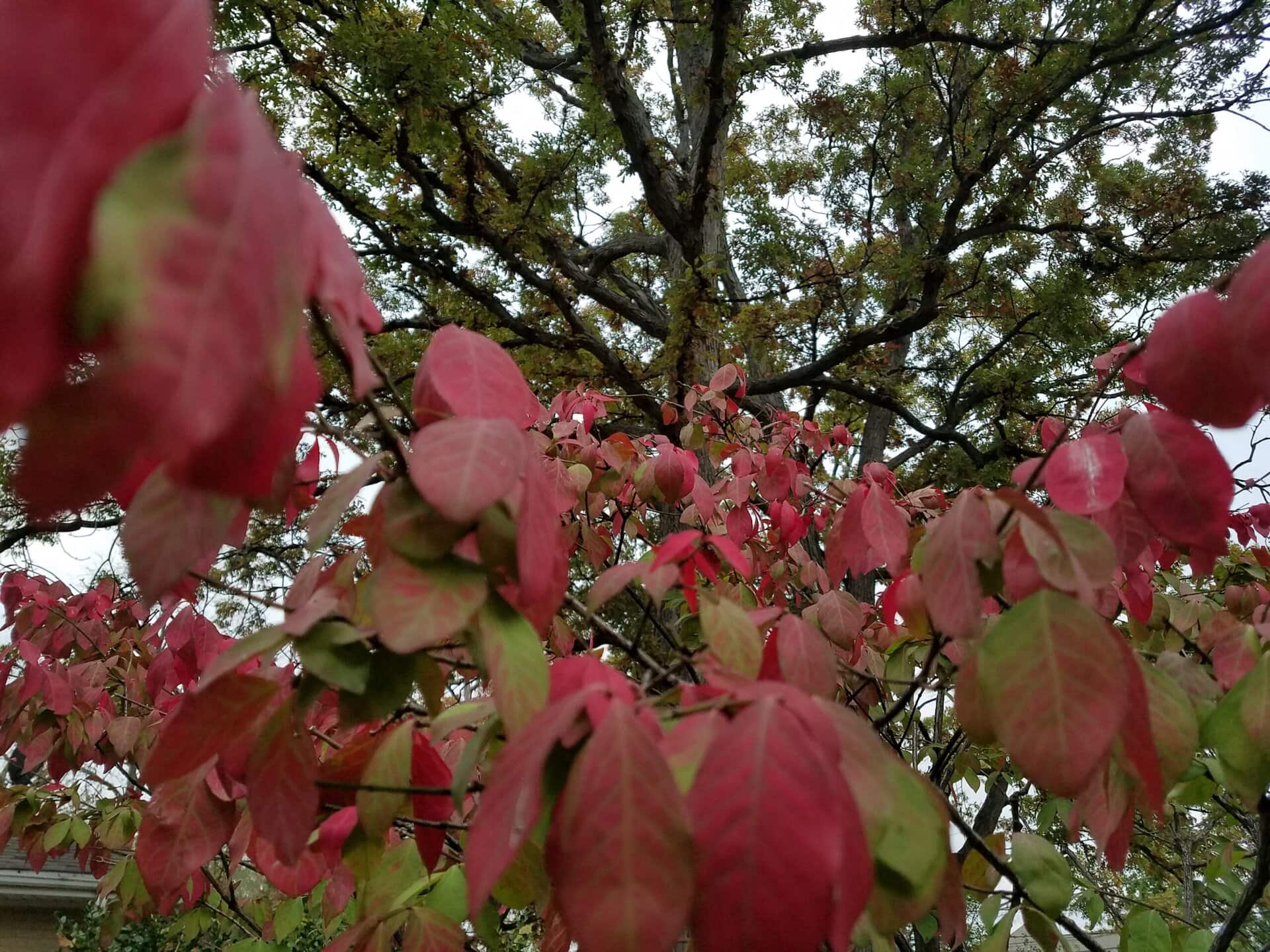
As plants prepare for Winter, they drop their leaves in an effort to conserve energy. When the first frost arrives, plants enter a form of dormancy called Endo Dormancy where all growth ceases. Because plants contain water, they must also battle the formation of ice within their cells.

Basically, when the water inside a plant’s cells freezes and forms ice crystals, it kills the plant. Even water that freezes outside the cells in intercellular spaces harms the plant via dehydration.
Plants are armed with sucrose and proline which help in reducing the freezing point of water. Similar “anti-freeze” proteins help stop ice crystals from forming in the intercellular spaces. Dehydrins are also produced in an effort to protect the plant from drying out, but all of these coping mechanisms are only effective between 32-20 degrees. Any colder than that, and the plant cannot survive. Evergreens are especially adept at fighting ice crystals and dehydration. In addition to dropping needles, their thick, waxy coating helps reduce water loss.
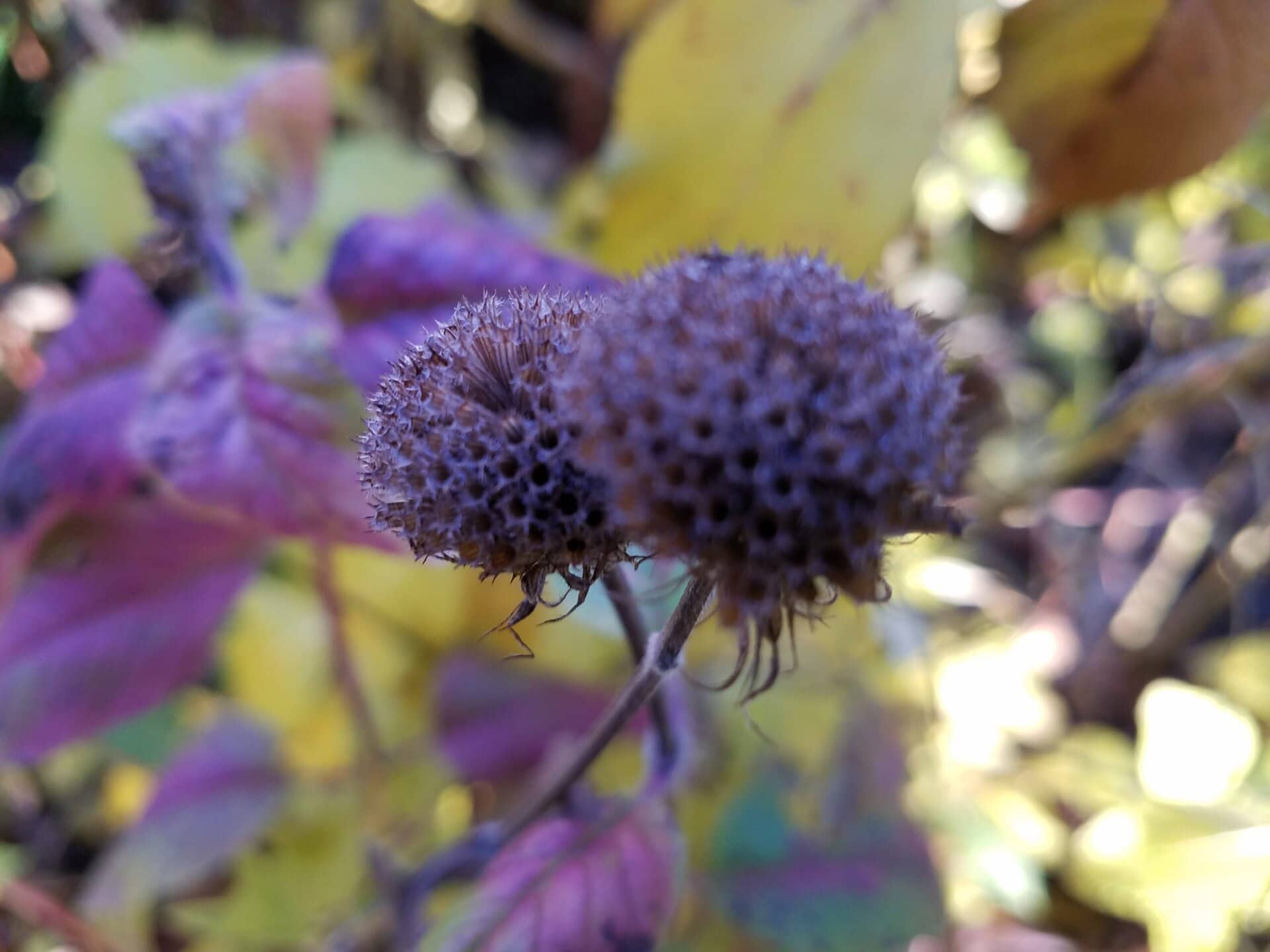
Most plants, save for annuals, hardy to our Zone will not only survive the first frost but manage to endure our lengthy Winters and come out relatively unscathed in Spring. Some frost-sensitive plants can be brought indoors to overwinter.
Because killing frosts and Winter temperatures are not far away, it’s important to put our yards and gardens to bed in a responsible and effective manner. Reach out to Sweeney’s to schedule your Fall Clean Ups, Aerations, and Winterizations today! First frosts are predicted any time between now and October 22nd for our area.
Plant of the Week
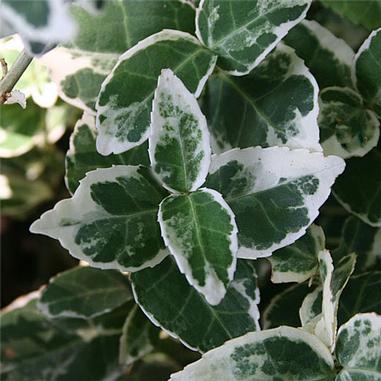
Emerald Gaiety Euonymus
Low spreading evergreen with dark green and white variegated foliage begins to blush in Fall with hints of rosy-pink. Can be used as a groundcover or low shrub Prefers sun to partial sun, and moist, well-drained soil. Grows 3-4′ tall and 3-4′ wide. Deer resistant.
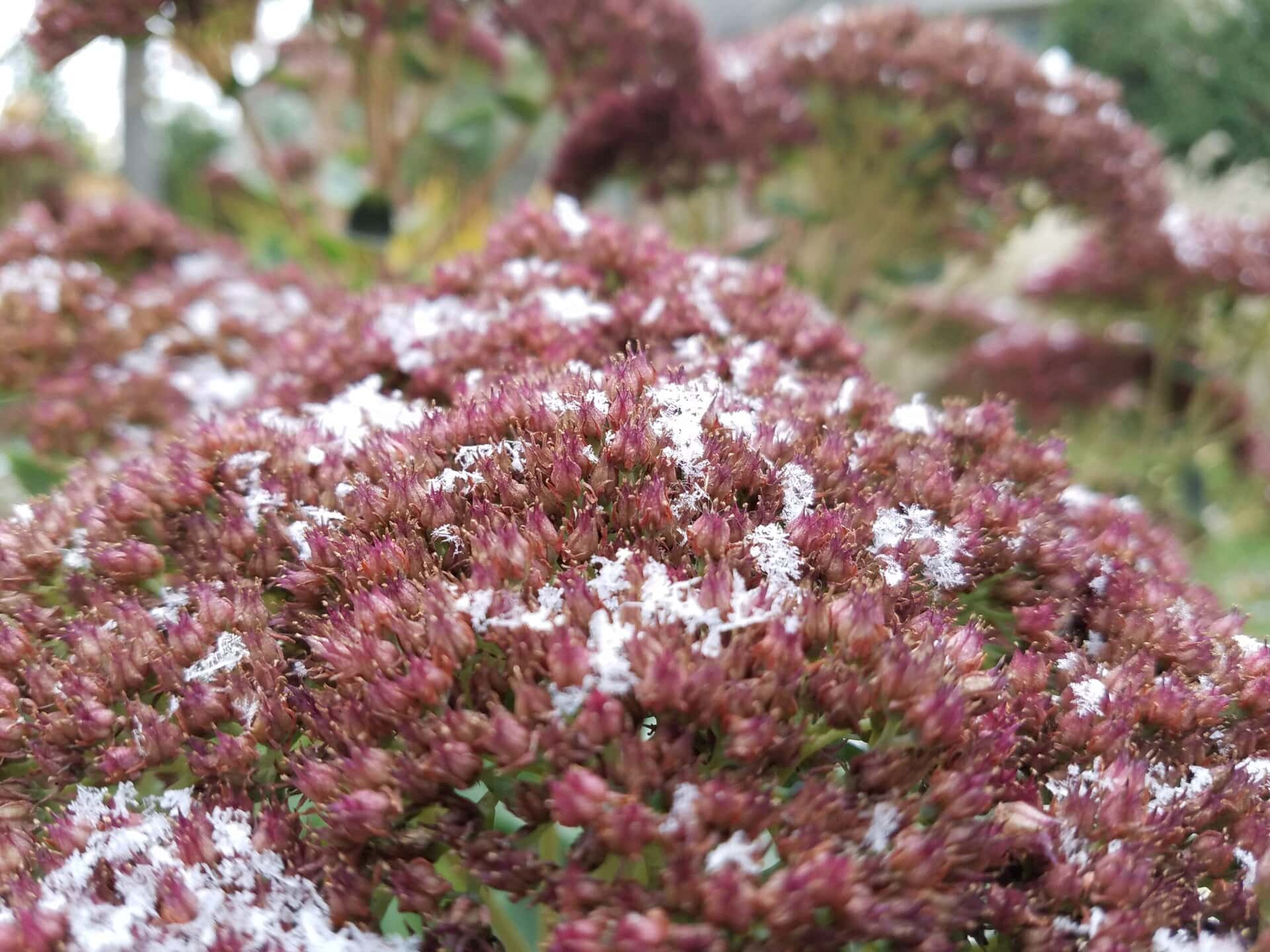
“But frost, like the crystallized dreams of autumn, began to coat the clearing with its sugar glaze.”
– Victoria Logue
Best wishes,
Kim Sweeney