
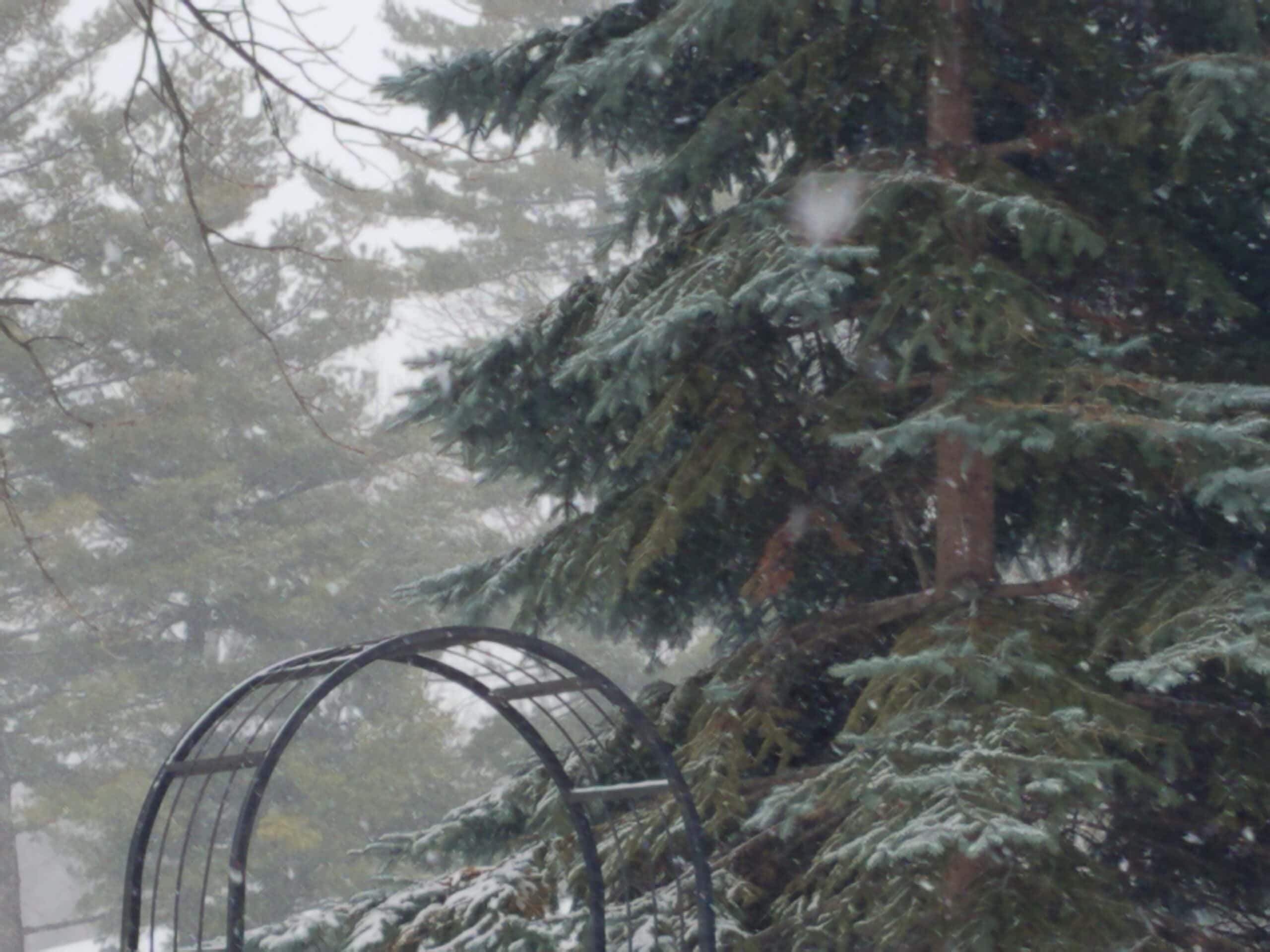
Sugar coated shrubs and lace capped trees refreshed the tired and gray landscape. Winter has arrived!
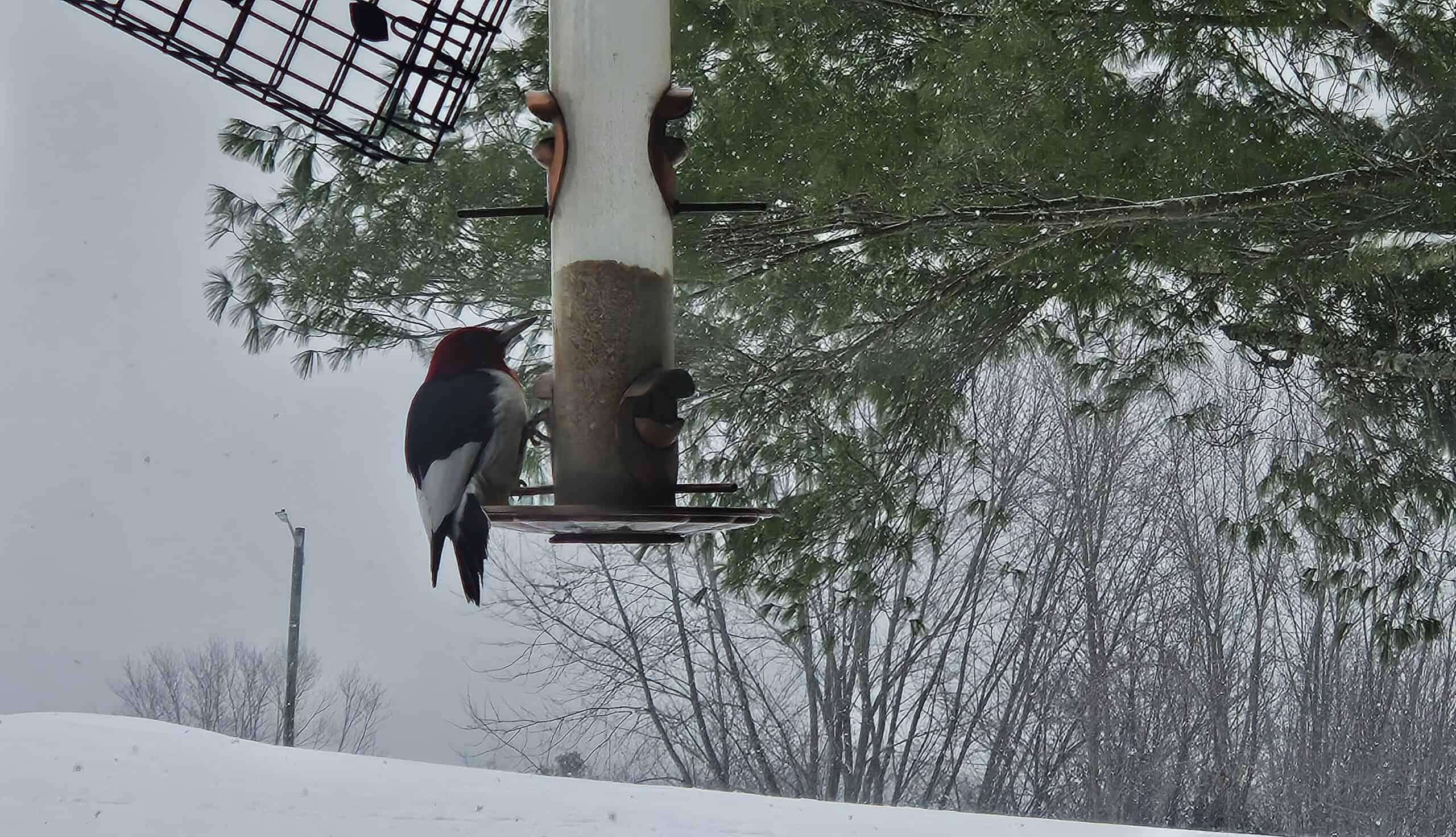
As we gaze upon the beauty of Winter from the safety and warmth of home, we ponder nature’s ability to survive such inhospitable conditions, more specifically our fine feathered friends.
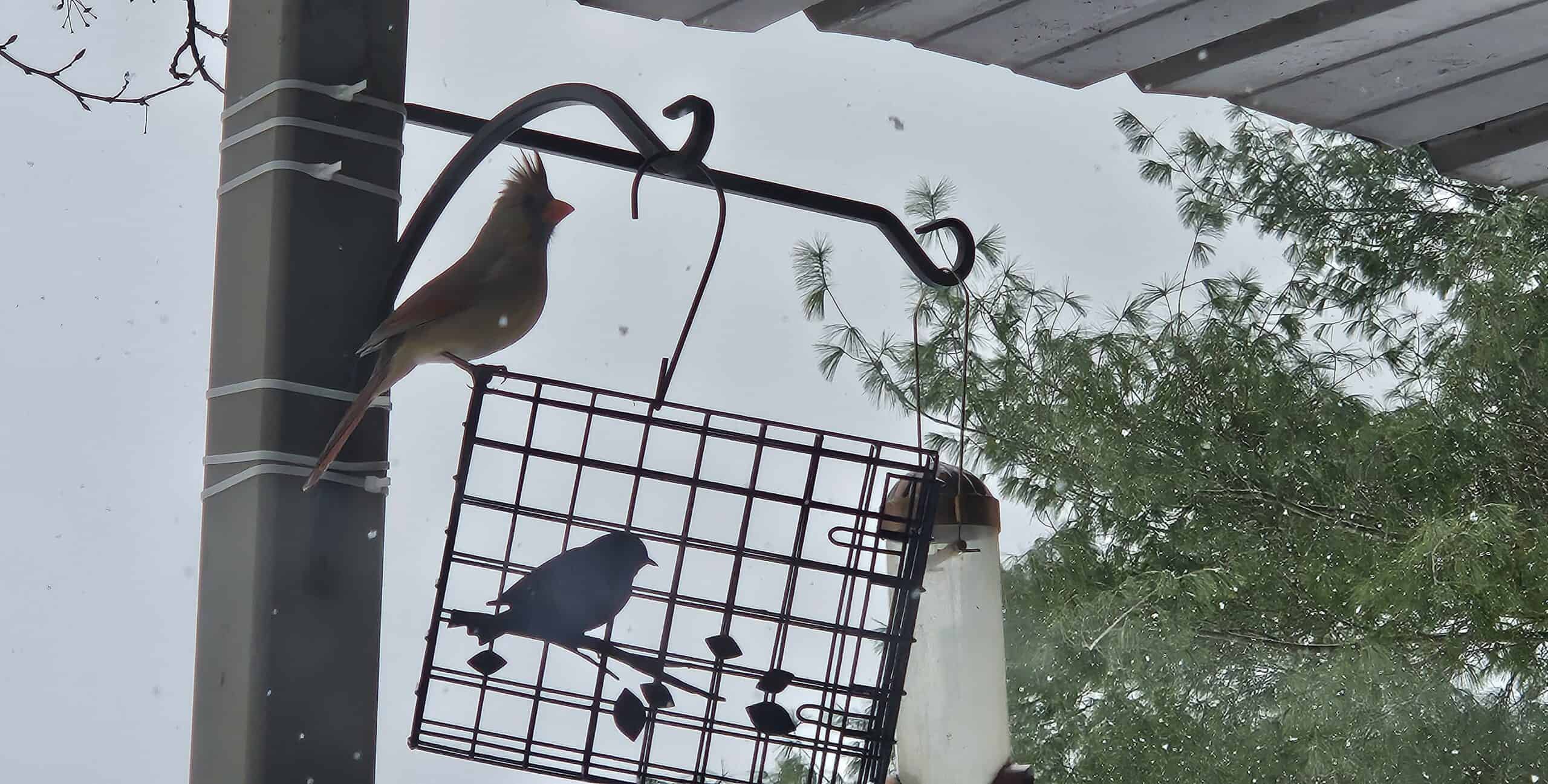
Not all birds migrate south for the Winter. In fact, many stick around and brave the cold, and those that do have evolutionary qualities that make it possible, and they are nothing short of amazing.
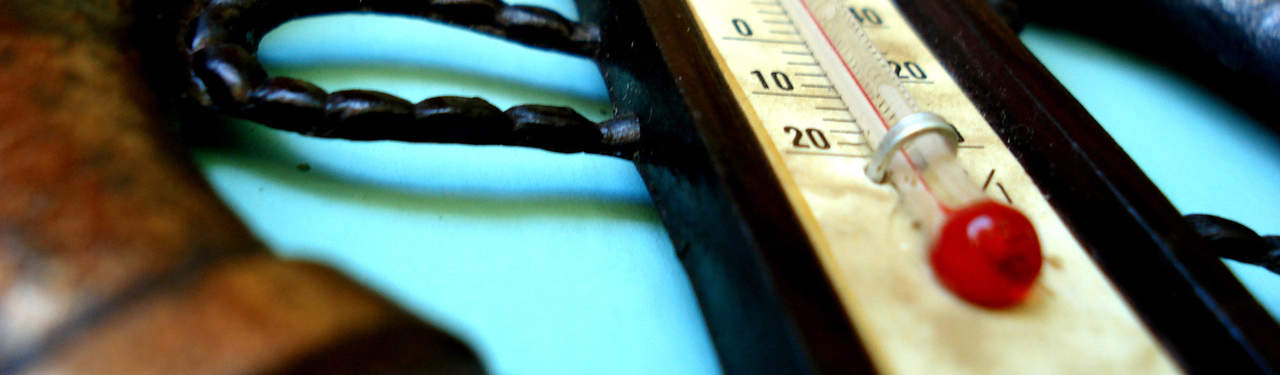
Birds are warm bodied creatures with speedy metabolisms, so their average temperatures are much higher than humans, clocking in around 105 degrees. So they start out warmer, but how do they maintain such heat in such bitter cold?
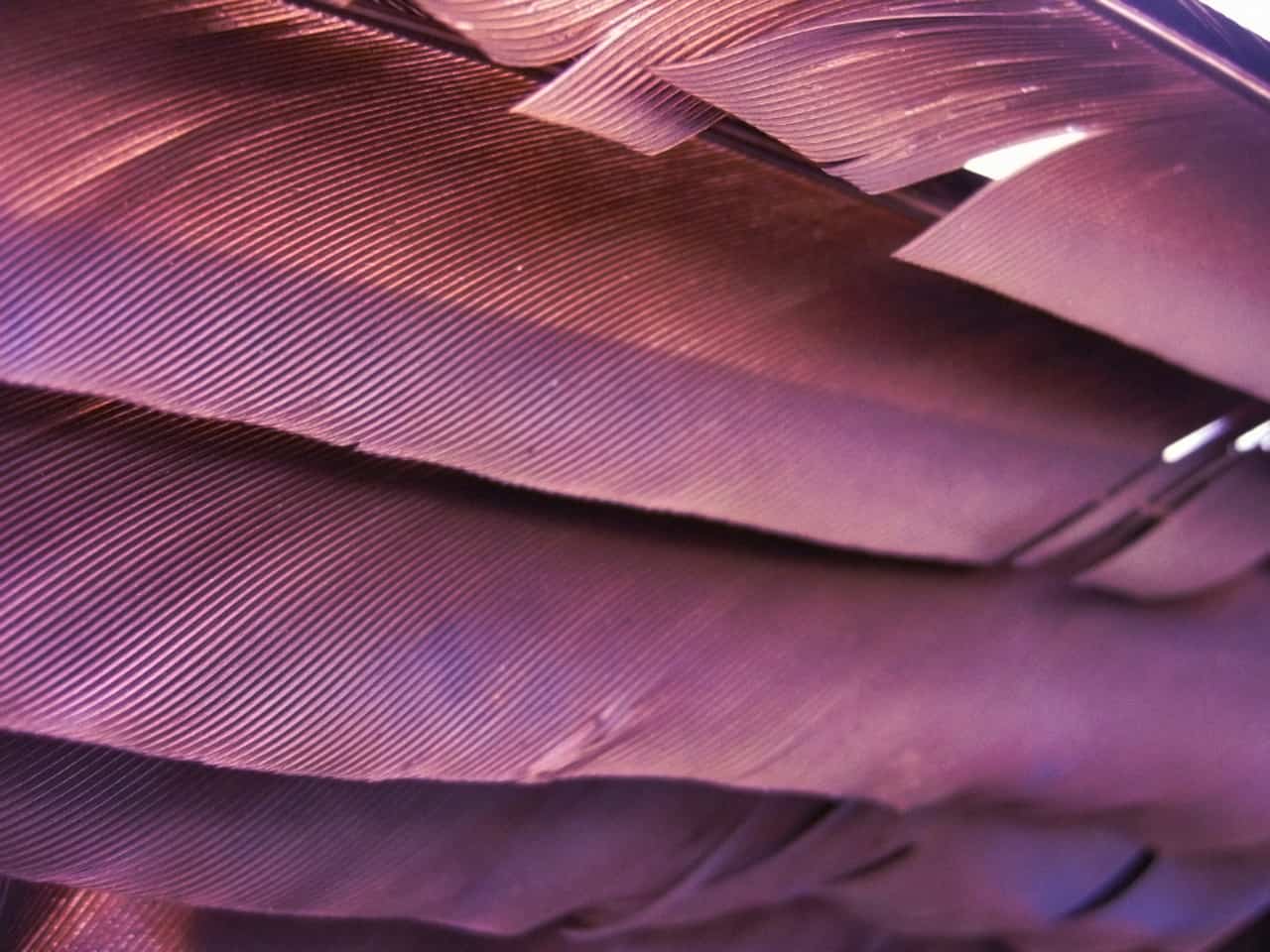
Birds’ feathers are remarkably insulating, and the oil that coats them helps keep them waterproof. Some birds grow extra feathers in Fall in preparation for Winter. Birds also have the ability to fluff their feathers; thereby, creating air pockets, which help insulate them further. They will also tuck their feathers around their legs for extra warmth or tuck their heads into their feathers for the same reason.
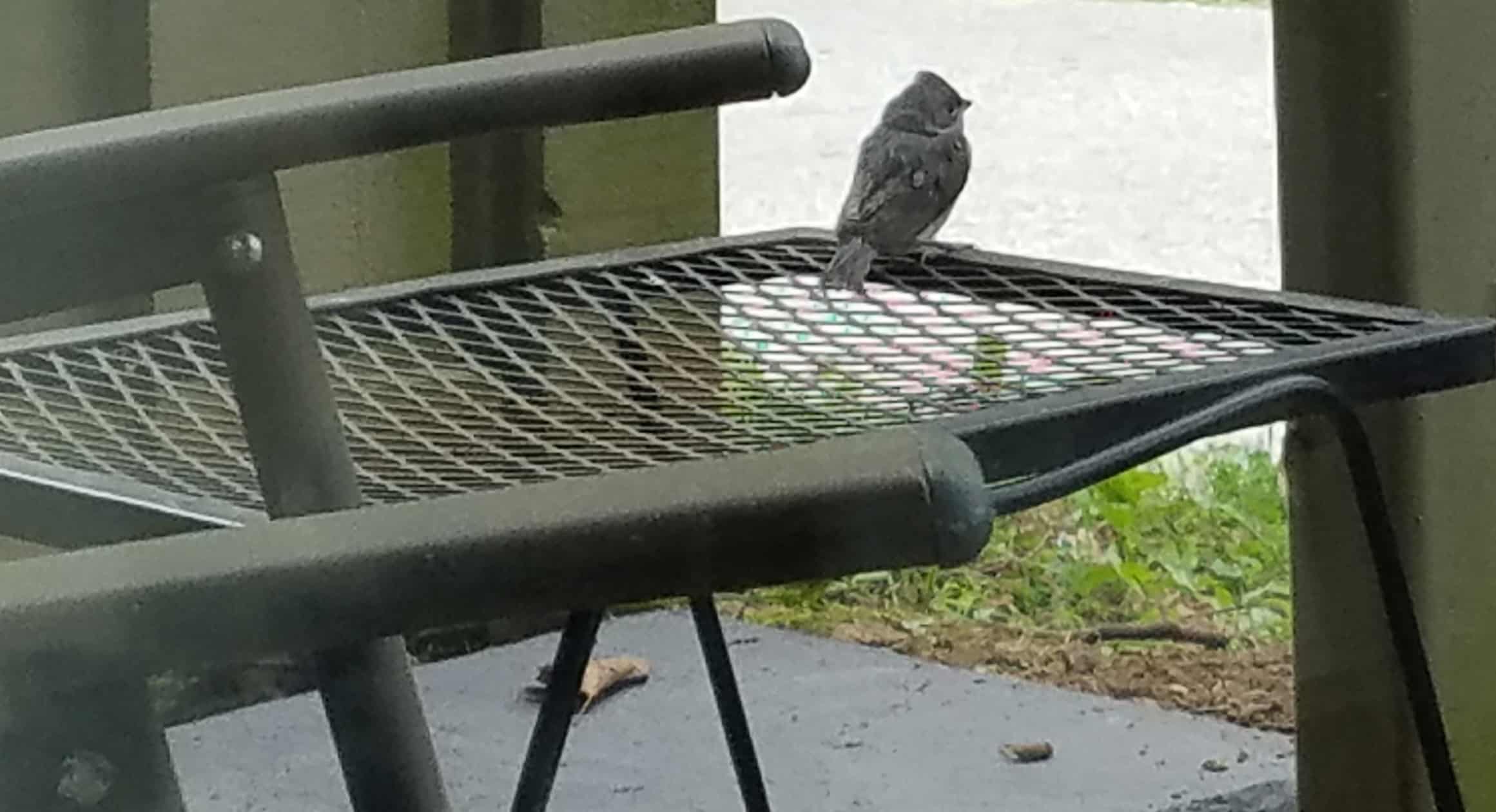
Additionally, specialized scales help protect their tiny legs and feet by mitigating heat loss. Birds too, like many critters, have fat reserves, needed to generate extra energy to keep themselves warm. Some smaller birds roost together, especially at night, to share body heat, and when all else fails, birds have the ability to enter a state called torpor or regulated hypothermia, in which metabolism is slowed and body temperature decreases.
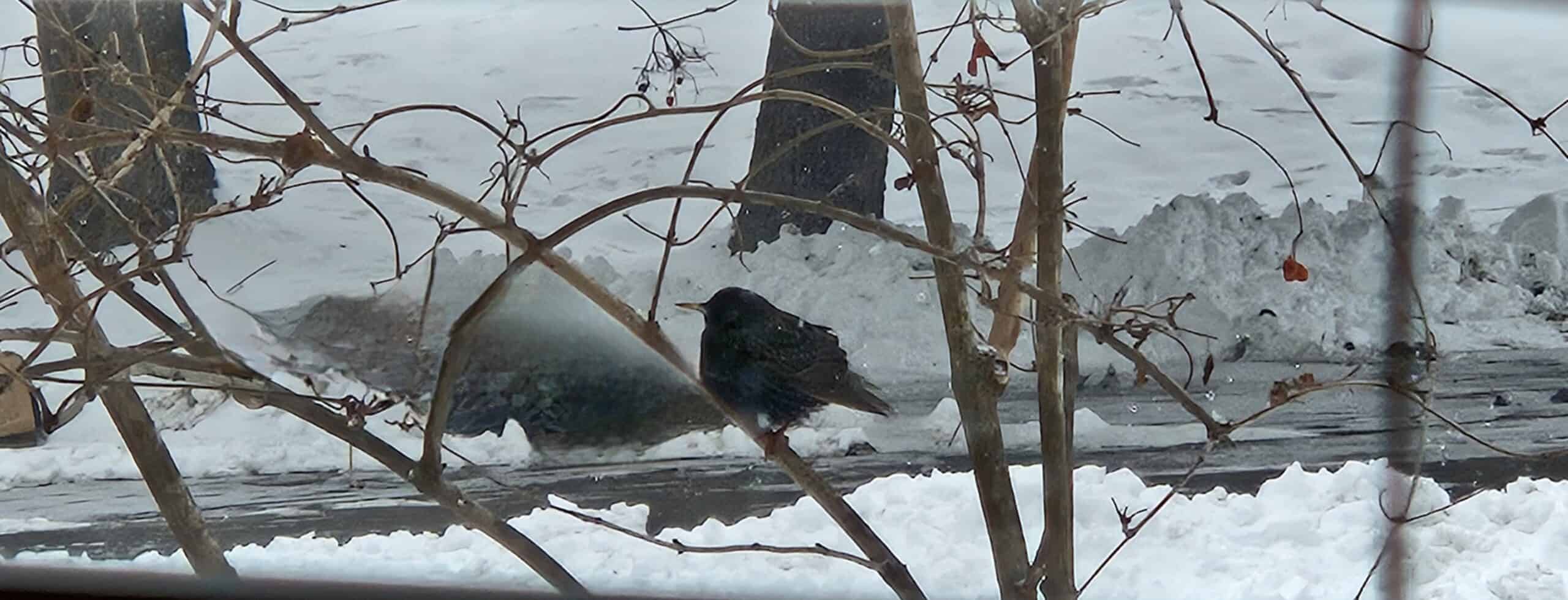
These birds are truly tough and amazing, and the sheer site of them brings great joy into a somewhat barren and lackluster season, so the next time you complain about the cold before entering the warmth of your home, office or car, take a moment to respect these hardy and beautiful creatures. And while you’re at it, invite these lovely birds into your yard by providing food and shelter, when possible. We proudly serve the communities of Villa Park, Elmhurst, Oakbrook, Oakbrook Terrace, Glen Ellyn, Lombard, Wood Dale, Itasca, and more!
Sweeney’s: A Plant Based Company
Plant of the Week
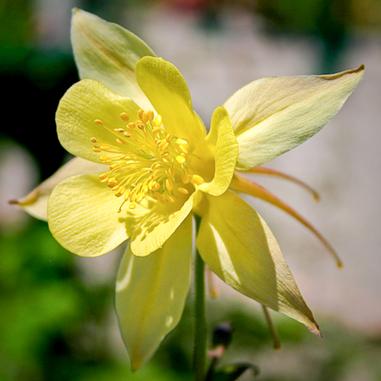
Songbird Columbine
Creamy yellow flowers, reminiscent of a Daffodil, bloom May-June atop sturdy stems amongst blue-green foliage. Prefers sun to partial shade and moist, well-drained soil. Grows 12-18″ tall and 12-18″ wide. Attracts butterflies and is deer resistant.
“Hear. Hear”, screamed the Jay from a neighboring tree, where I had heard a tittering for some time, “winter has a concentrated and nutty kernel, if you know where to look for it.”
-Henry David Thoreau
Warm wishes,
Kim Sweeney