
Halloween may be over, but a monster lurks and lingers in our midst.
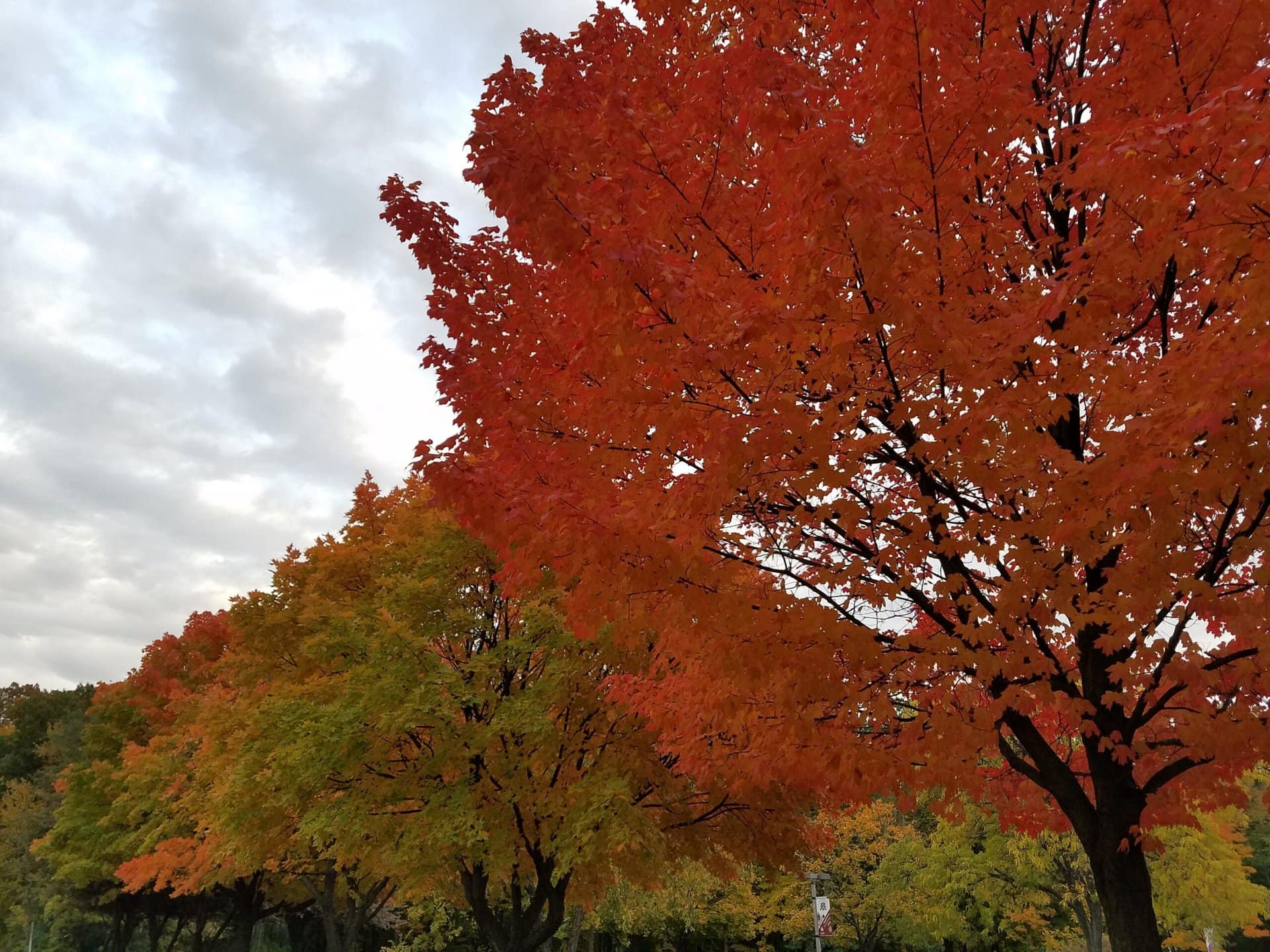
Our beloved prairies and woodlands are under attack. Highly invasive, non-native trees have decimated native perennials, grasses, groundcover and even trees. Sadly, the issue isn’t simply relegated to our national or state parks, but can be seen in our own yards and local woods.
Buckthorns pose the biggest threat and are especially insidious and crafty. They don’t simply out compete our native Oaks and Hickories, but instead, they interrupt the trees’ reproduction cycle. Further still, they are one of the first trees to leaf out in Spring, shading and killing any spring-flowering blooms. Oaks, on the other hand, don’t leaf out until May, giving spring wildflowers the chance to bloom and seed.
Buckthorn leaf litter is particularly sinister. Studies have shown that their leaves have an allelopathic affect on our native plants. Basically, the Buckthorn’s leaves contain a chemical that reduces the germination of native species, so often you’ll see nothing but bare soil under these invasives, and before you know it, Buckthorns have completely taken over.
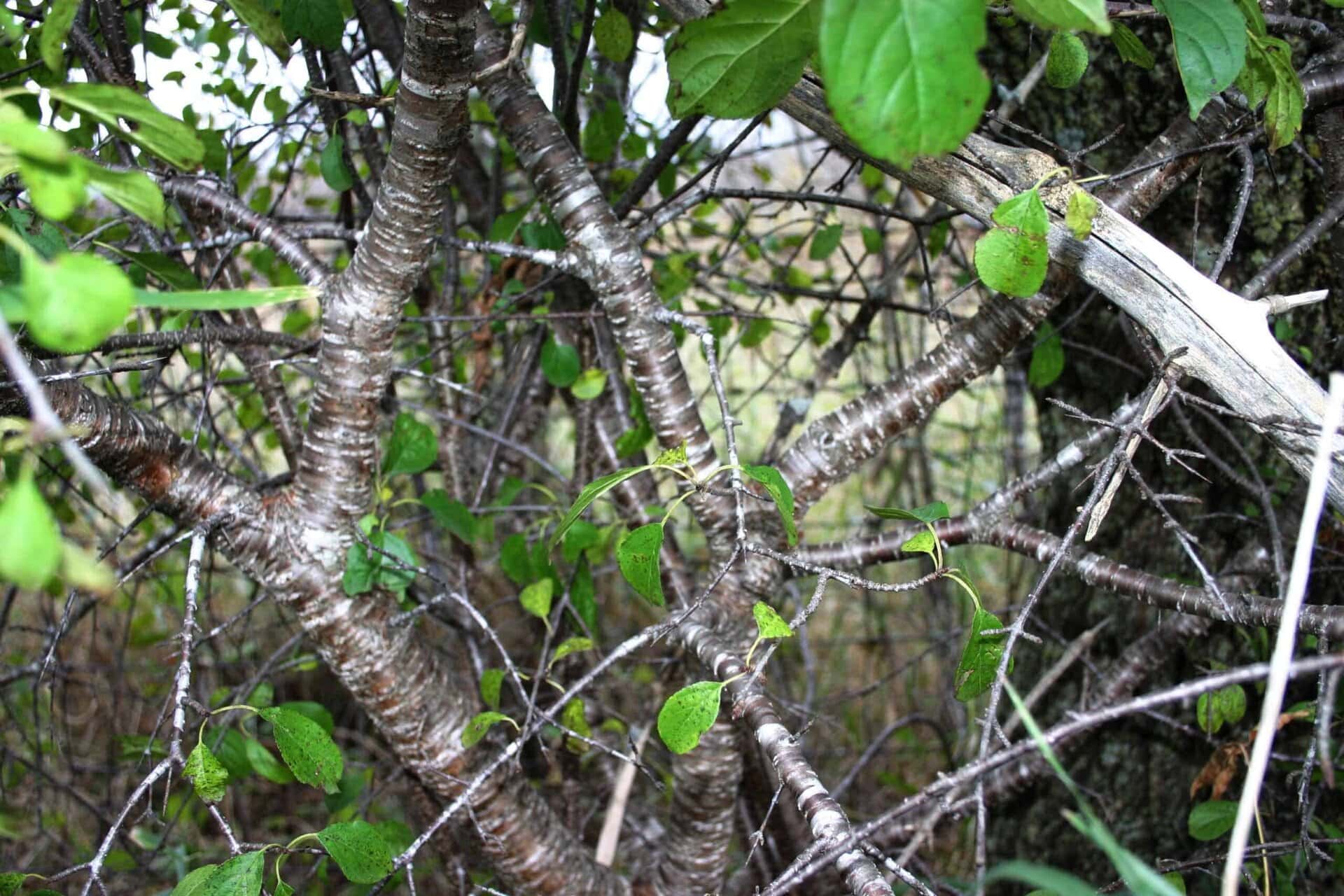
Wildlife, particularly deer and birds, have no use for Buckthorns. The tree is generally unpalatable to most animals, and because nothing typically grows beneath them, they are all but useless.
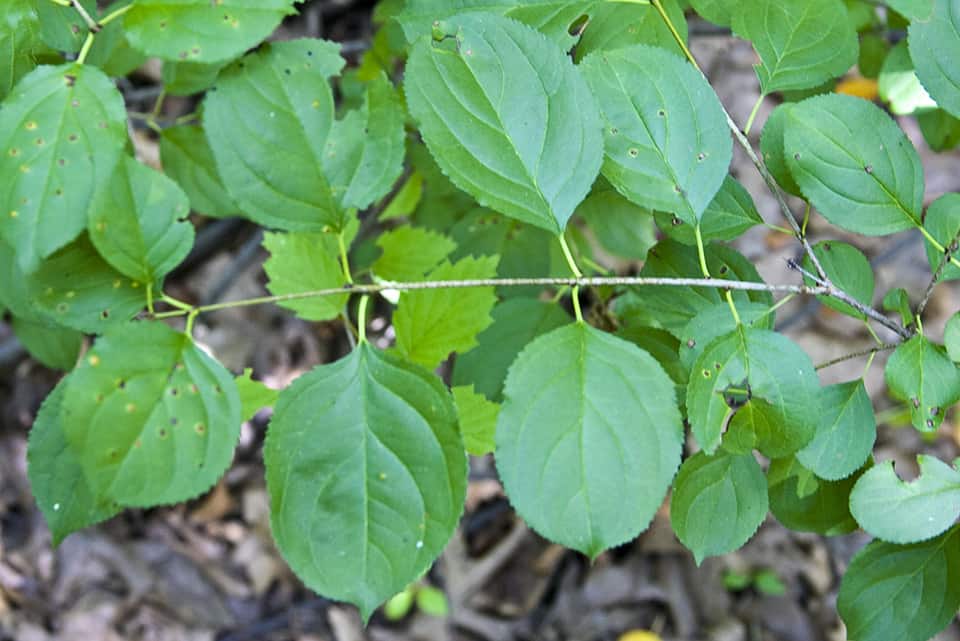
So, what can you do? First, you must identify them, and Fall offers the perfect opportunity as their foliage remains green longer than other deciduous trees. Generally, we see two species of Buckthorn – Glossy and Common. Glossy Buckthorns tend to prefer wetter areas while Common Buckthorn grows just about everywhere else. The Morton Arboretum describes Buckthorns as, “Large shrub or tall tree with glossy, oval leaves that can be easily recognized in fall, when it remains green…” Detailed, identification tips and pictures here.
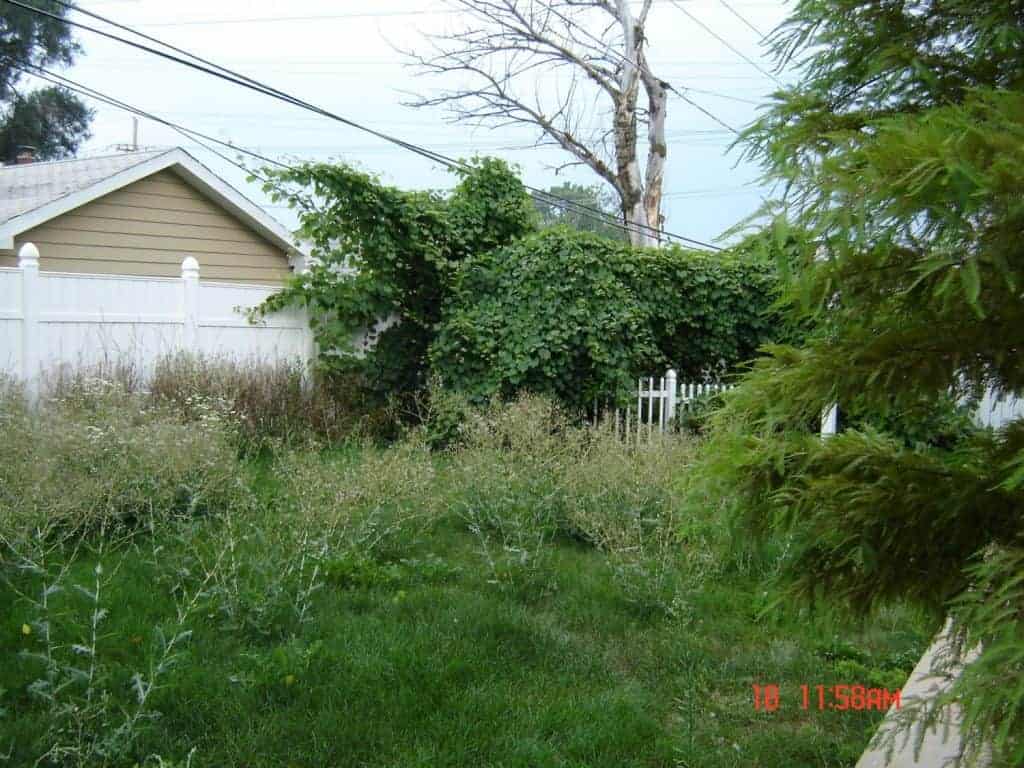
Buckthorns must be killed/removed, and it’s a bit of an arduous task. I speak from personal experience as our own yard contained a few, but it’s well worth it. Removal is the most effective method, which requires some effort, but herbicides can also be applied. Buckthorns can be cut at ground level while herbicides are applied to kill the root system.
Reach out to Sweeney’s today, and we’ll tackle this monster together. The Buckthorn problem affects us all, and the future of our native plants and trees. It’s important that we unite to combat them in order to restore our native prairies and woodlands. A perfect project for Fall/Winter.
Plant of the Week
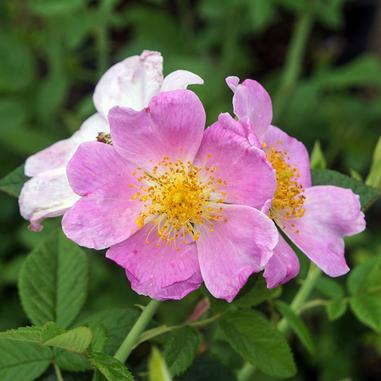
Illinois Rose
Spreading/climbing native shrub produces, rosy-pink blooms in early Summer amongst green foliage that matures to a deep reddish-purple in Fall. Prefers full sun, and moist, well-drained soil. Grows 6-8′ tall and 8-12′ wide. Attracts butterflies and other pollinators.
Whisper sweetly your secrets upon the breeze as you sway to and fro.
A generation awaits your seeds in the soil that you sow.
Oceans of grasses and native blooms grace these middle lands.
Here rises the fertile prairie amongst the Oak and Hickory stands.
-Kim Sweeney (an original poem)
Warm wishes,
Kim Sweeney