
The air was thin and brittle, like paper. It sliced through flesh, wrinkled with every breath, and crumpled under foot. It was as if nature had been wrapped in a thin layer of cellophane, restrained and crinkling with every movement. It was a bitter and unforgiving landscape that stood naked and vulnerable.

And although life and Spring seemed ever distant, Winter gave us an important glimpse into the landscape’s form and framework.
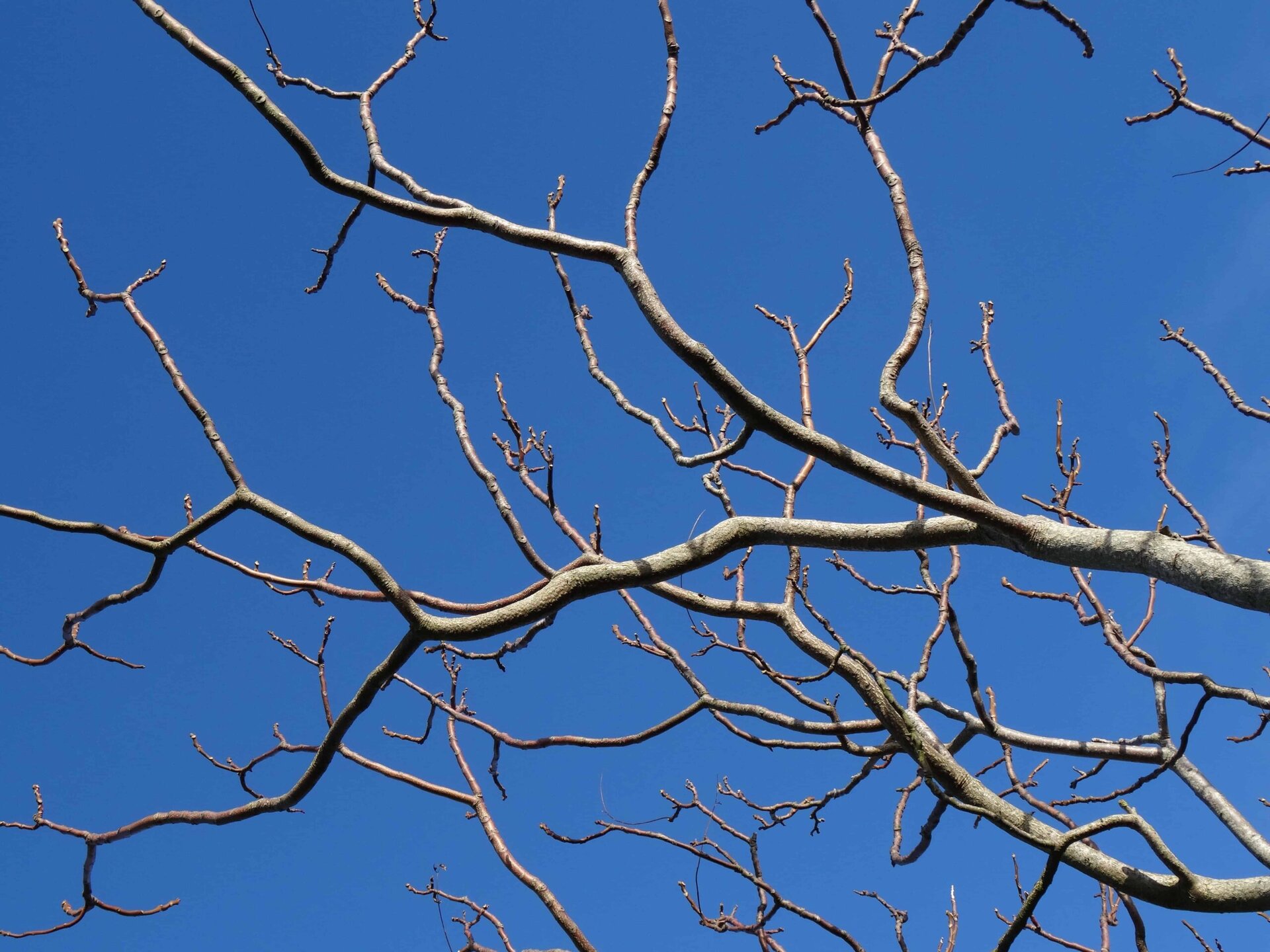
Dormant pruning is a common and important practice in Winter. Because deciduous plants are leafless, it is easier to see the structure of the tree or shrub. Further still, disease transmission and insect invasion is greatly reduced, and it’s actually a bit safer as limbs and branches are lighter and easier to handle. But before you get out the shears or pruners, read through the tips below for optimum, healthy results:
Have a Plan:
Get a good look at the plant. Take a moment to study its shape and have a plan. The idea is to maintain the natural shape of the plant.
Remove the Dead & Diseased:
Remove any dead, diseased or crossing branches regardless of their location within the plant.
Remove Suckers & Water Sprouts:
Remove all suckers and water sprouts. Suckers are straight, unbranched stems that emerge from the base of the tree. Water sprouts are similar to suckers, yet they grow at right angles to the branches.
Maintain Natural Shape of Plant:
Never limb up low branching trees. Tall plants/shrubs should never be topped off in an effort to make them shorter.
Thin Canopies:
Thin the canopy of trees like Hawthorns and Crabapples by working from the center outwards. Your goal is to increase air circulation. Remember never to remove more than 1/4 of a plant.
Prune Back to Bud or Branch:
Always prune back to a bud or branch. Never leave open ends and cut just above a bud.
Work Patiently:
Work slowly and patiently. Step back between cuts to assess the shape and structure of the plant.

Dormant pruning is both essential and beneficial, and Winter allows us to better see the structure and form of the trees and shrubs while putting less stress on the plant. Reach out to Sweeney’s and schedule your Dormant Pruning today!
Plant of the Week
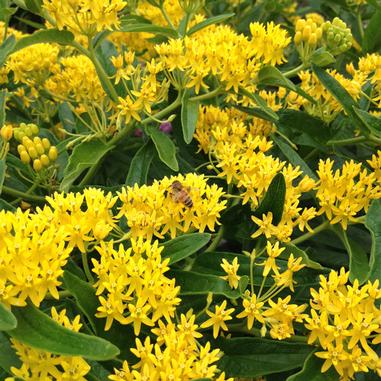
Photo courtesy of Midwest Groundcovers
Hello Yellow Milkweed
Bright, cheery yellow flower clusters bloom from early Summer until frost amongst narrow, green foliage. Prefers full sun and well-drained soil, although will tolerate most soil types. Grows 18-24″ tall and 18-24″ wide. Attracts butterflies, hummingbirds and bees.
“Nature looks dead in winter because her life is gathered within her heart. She withers the plant down to the root that she may grow it up again fairer and stronger…”
-Hugh Macmillan
Warm wishes,
Kim Sweeney