
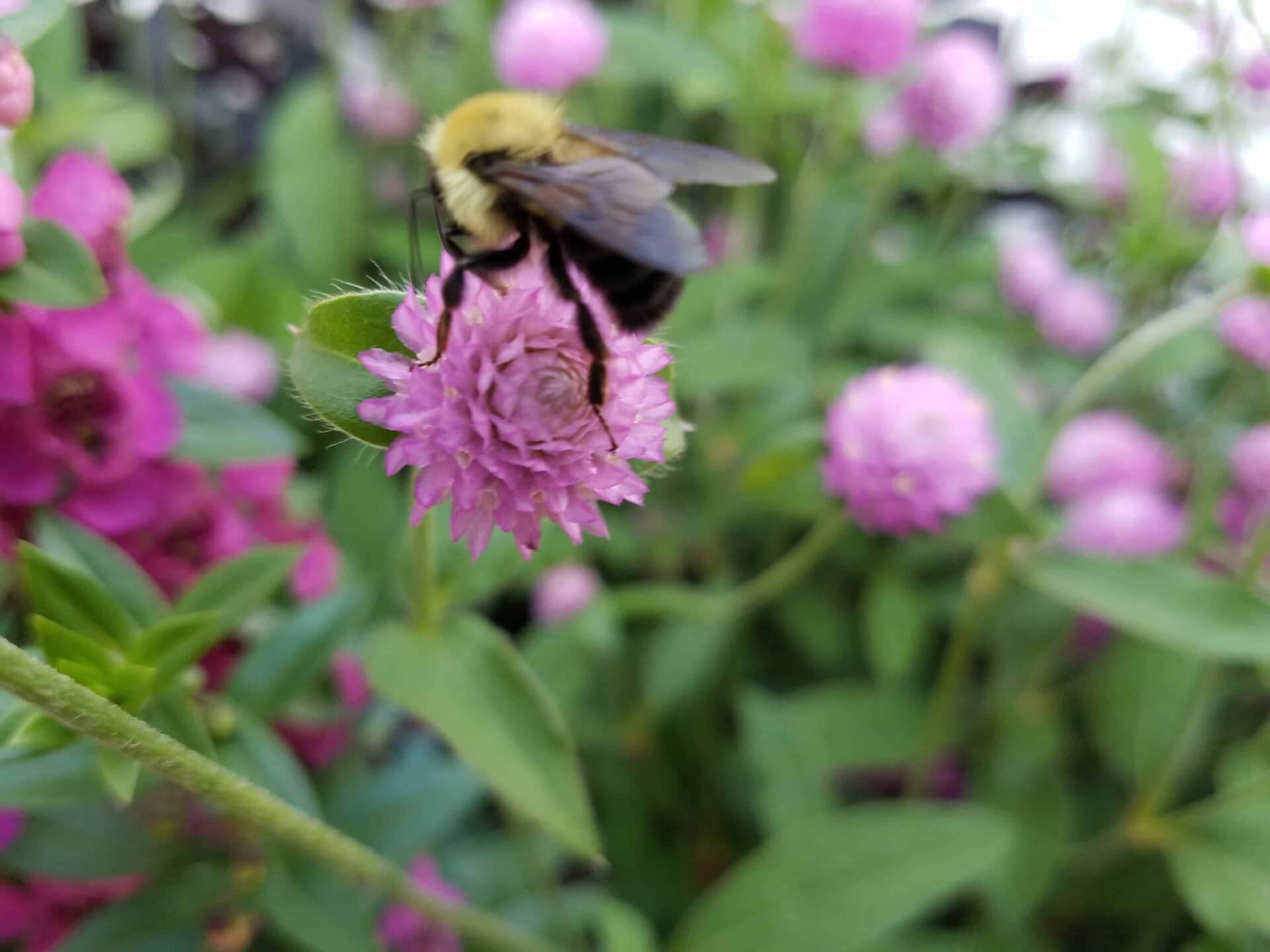
I’ve heard this plight many times before and for many years, but I had no idea how dire the situation has become. Bee colonies are continuing to die off at an alarming rate. The Department of Agriculture states there was an average loss of 30.5% of the population as opposed to 22% from the year prior. Genetic diversity, lack of food, stress, drought and the Varroa mite are all to blame. The mite is a parasite that feeds on the blood of the honeybee. Some believe pesticides are also culprits in the dwindling populations, but current federal studies claim to be inconclusive. Why are honeybees so important? They are the world’s most important pollinator of food crops. It is estimated that a 1/3 of the food we consume each and every day relies on pollination by bees. Not only do they pollinate the food we eat, but they also pollinate plants like clover and alfalfa which are fed to cattle; thereby affecting the meat and dairy industries as well. Honeybees also play an important role in the pollination of other crops, like cotton and flax. Starting to get the idea?
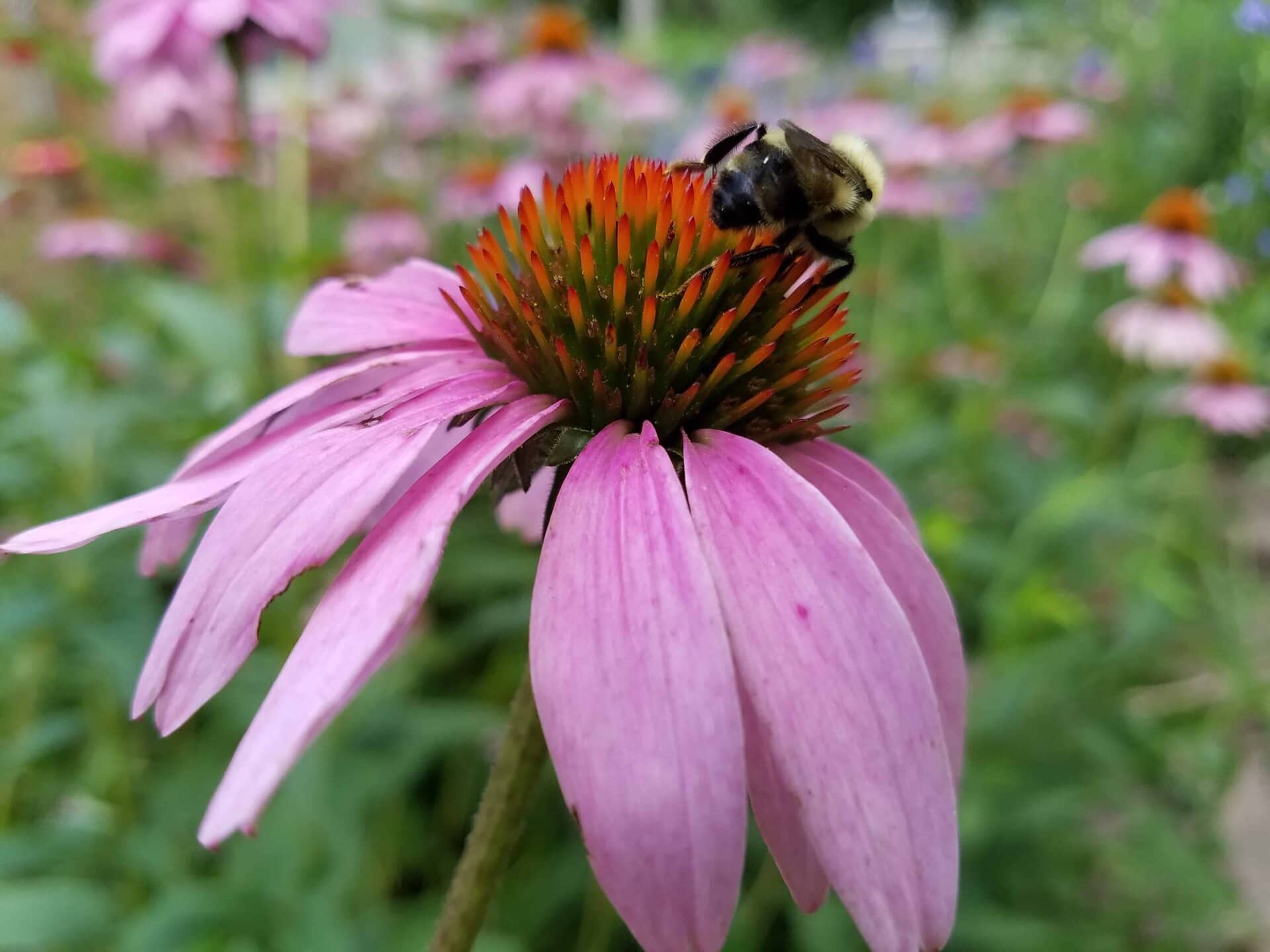
But what can we do? As a landscaper, we can start by incorporating more bee-friendly plants into our designs, and as gardeners, you can plant a diverse mix of flowers, such as:
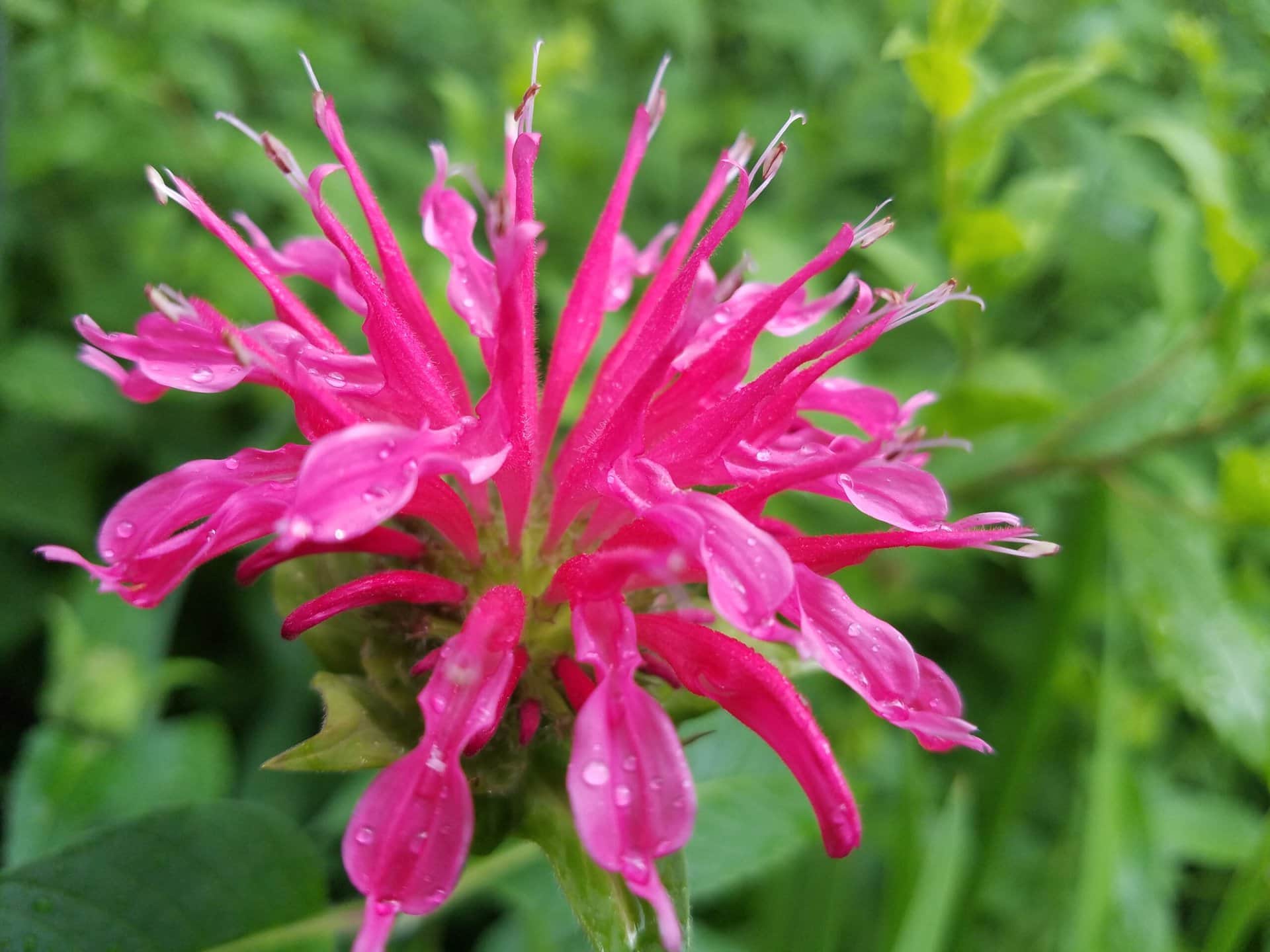
Bee Balm
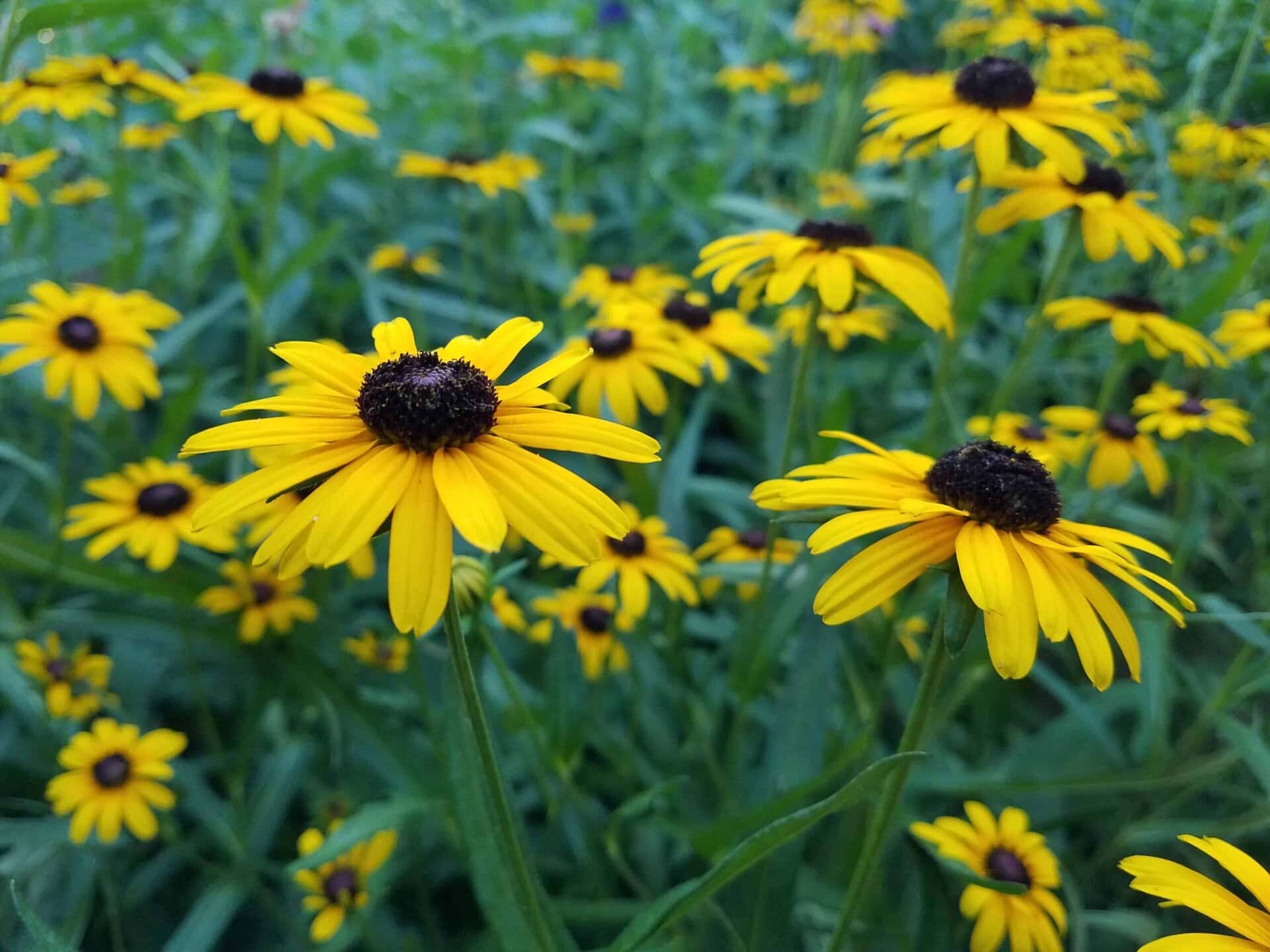
Black Eyed Susan
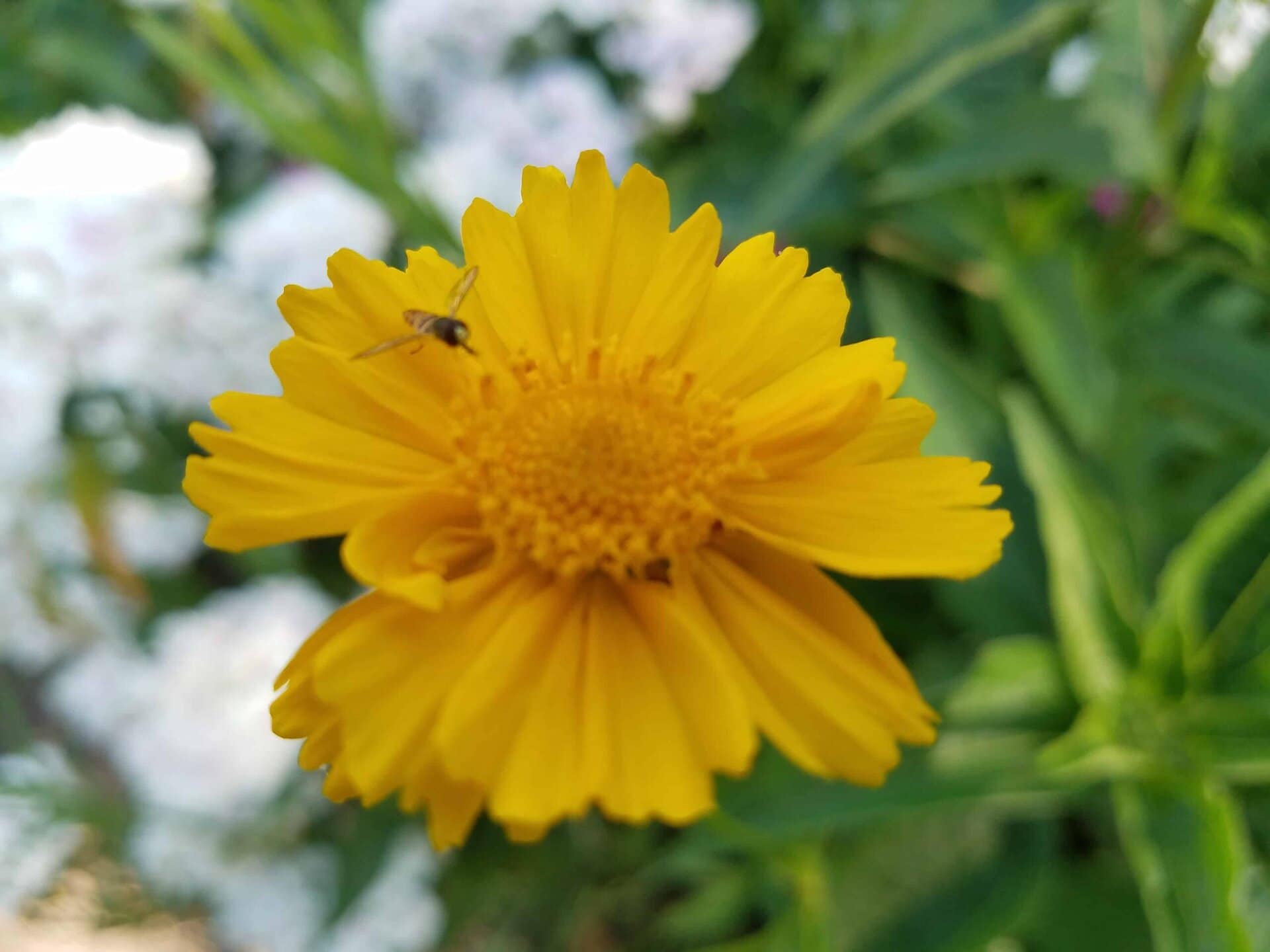
Coreopsis
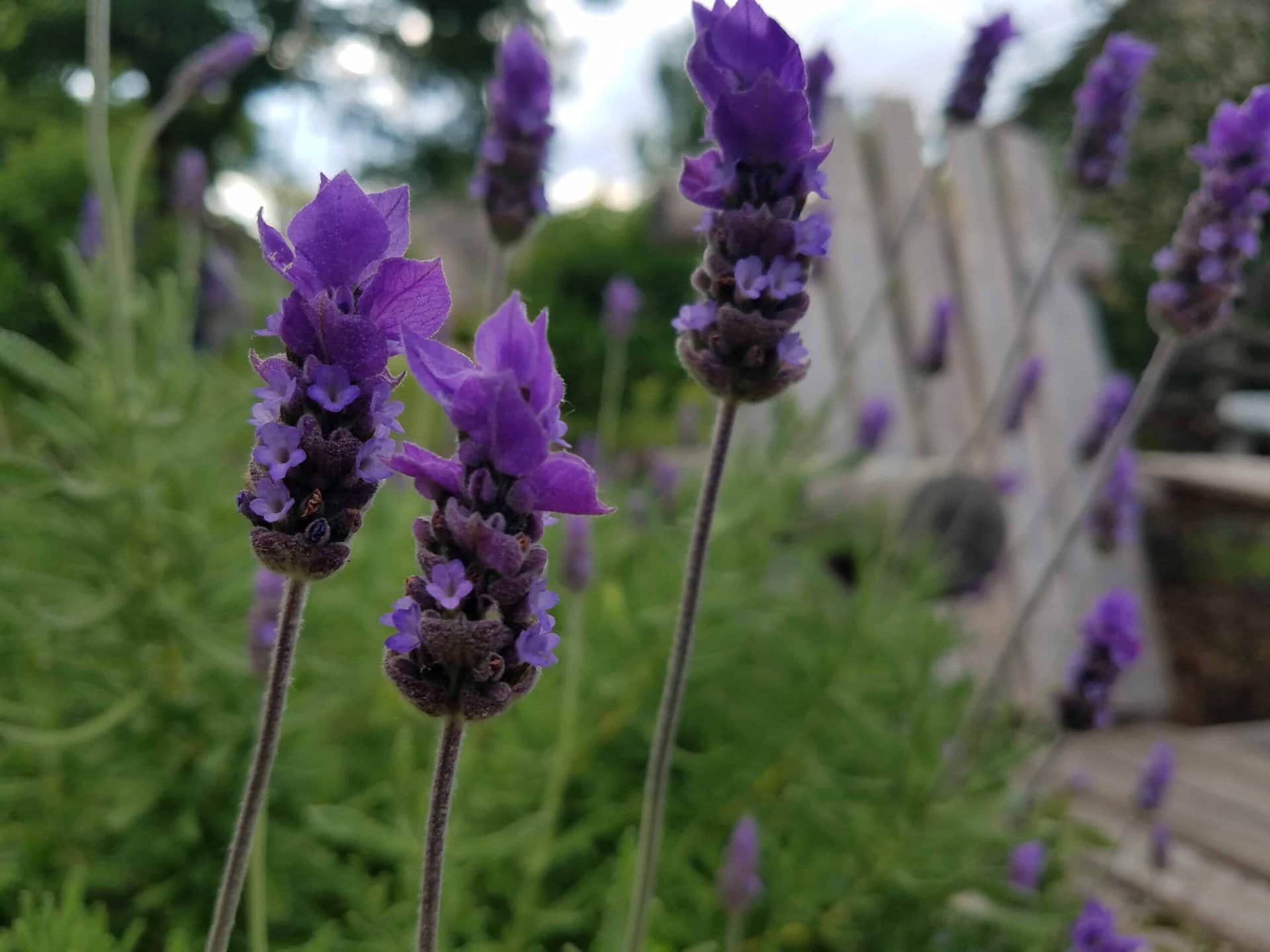
Lavender
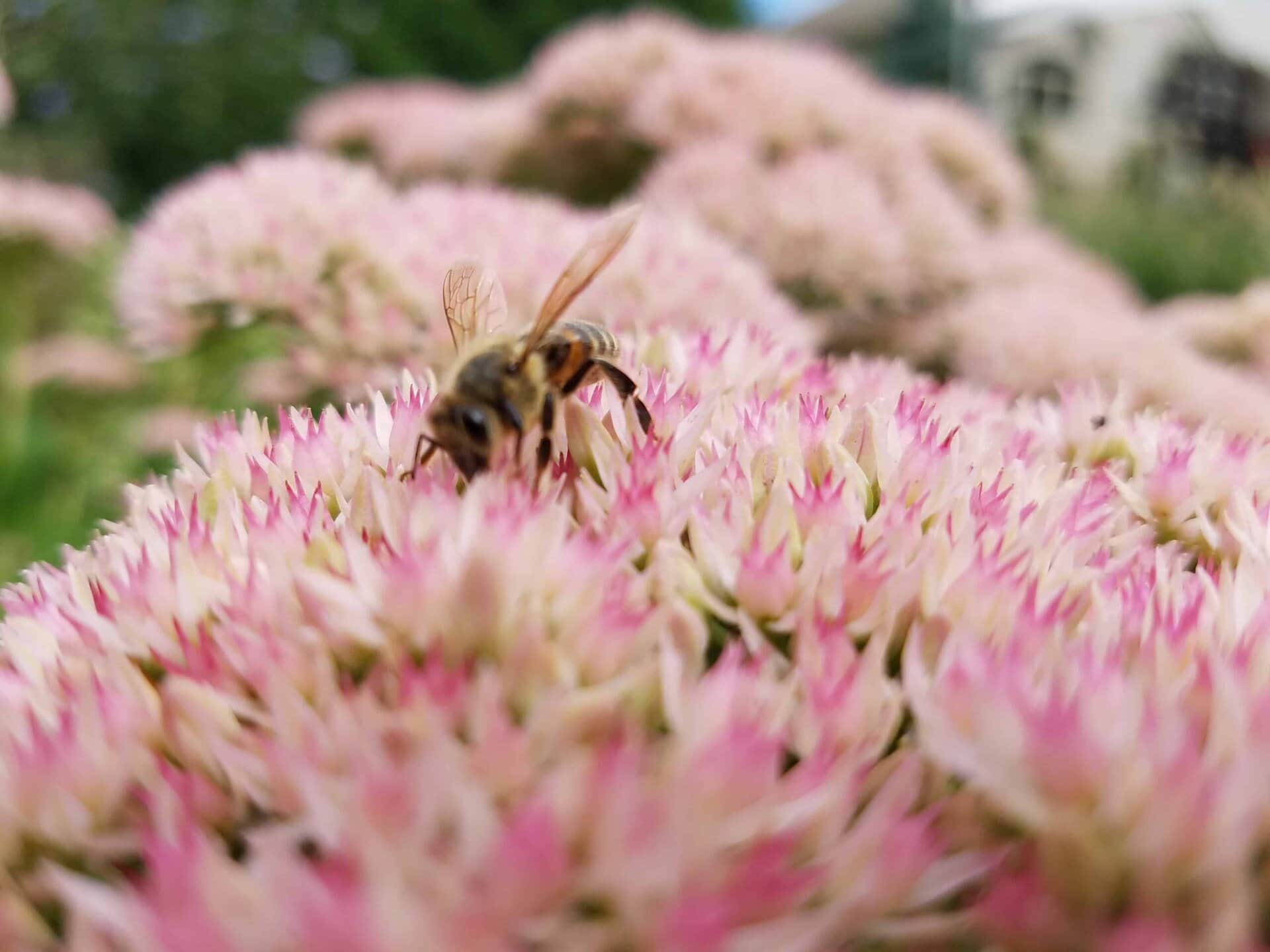
Sedum
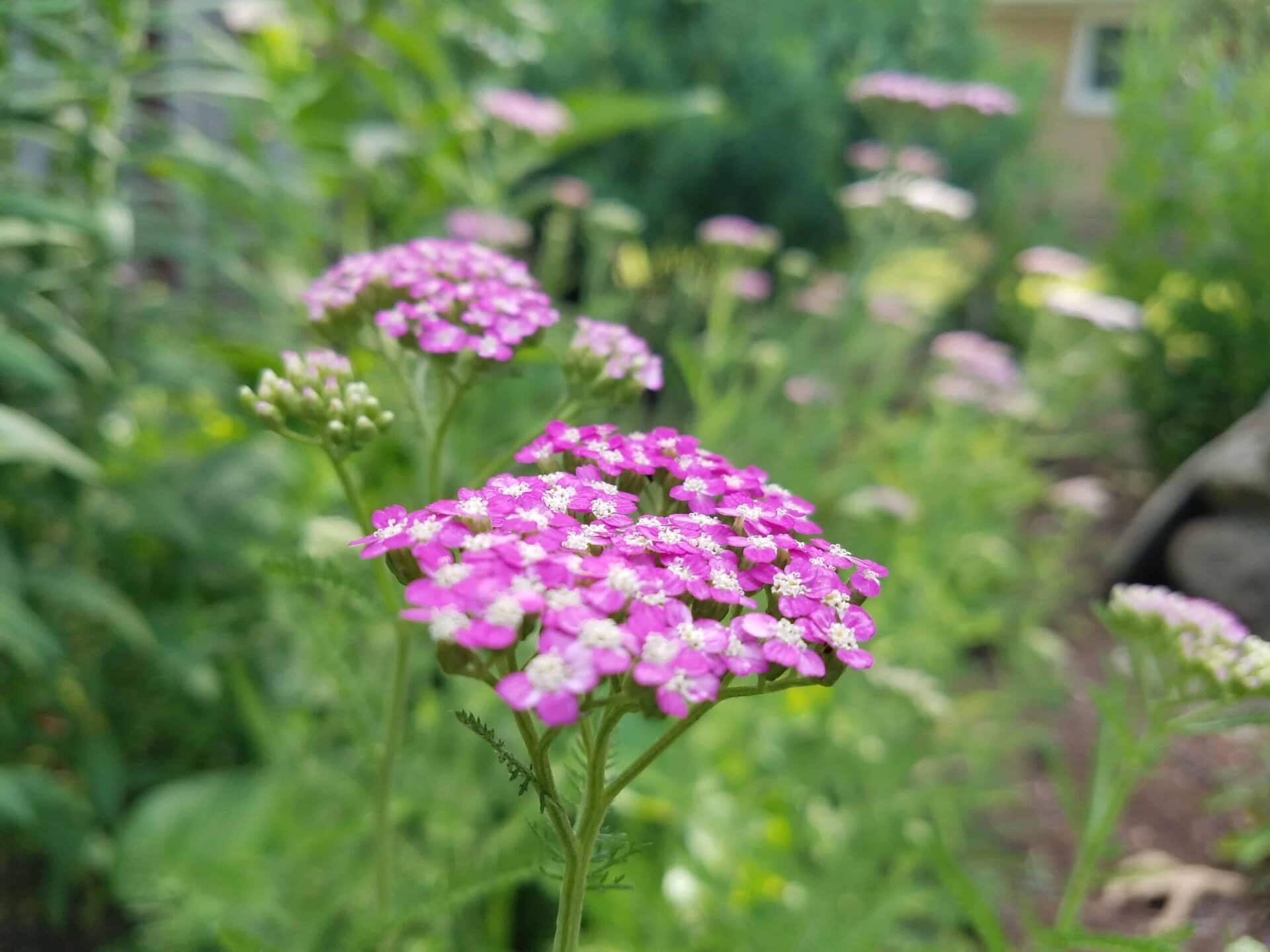
Yarrow
Won’t you consider attracting honeybees into your gardens by incorporating some bee-friendly plants? This simple act can have a huge impact on the honeybee’s population.
“The careful insect ‘midst his works I view,
Now from the flowers exhaust the fragrant dew,
With golden treasures load his little thighs,
And steer his distant journey through the skies.”
-John Gay
Best wishes,
Kim Sweeney