
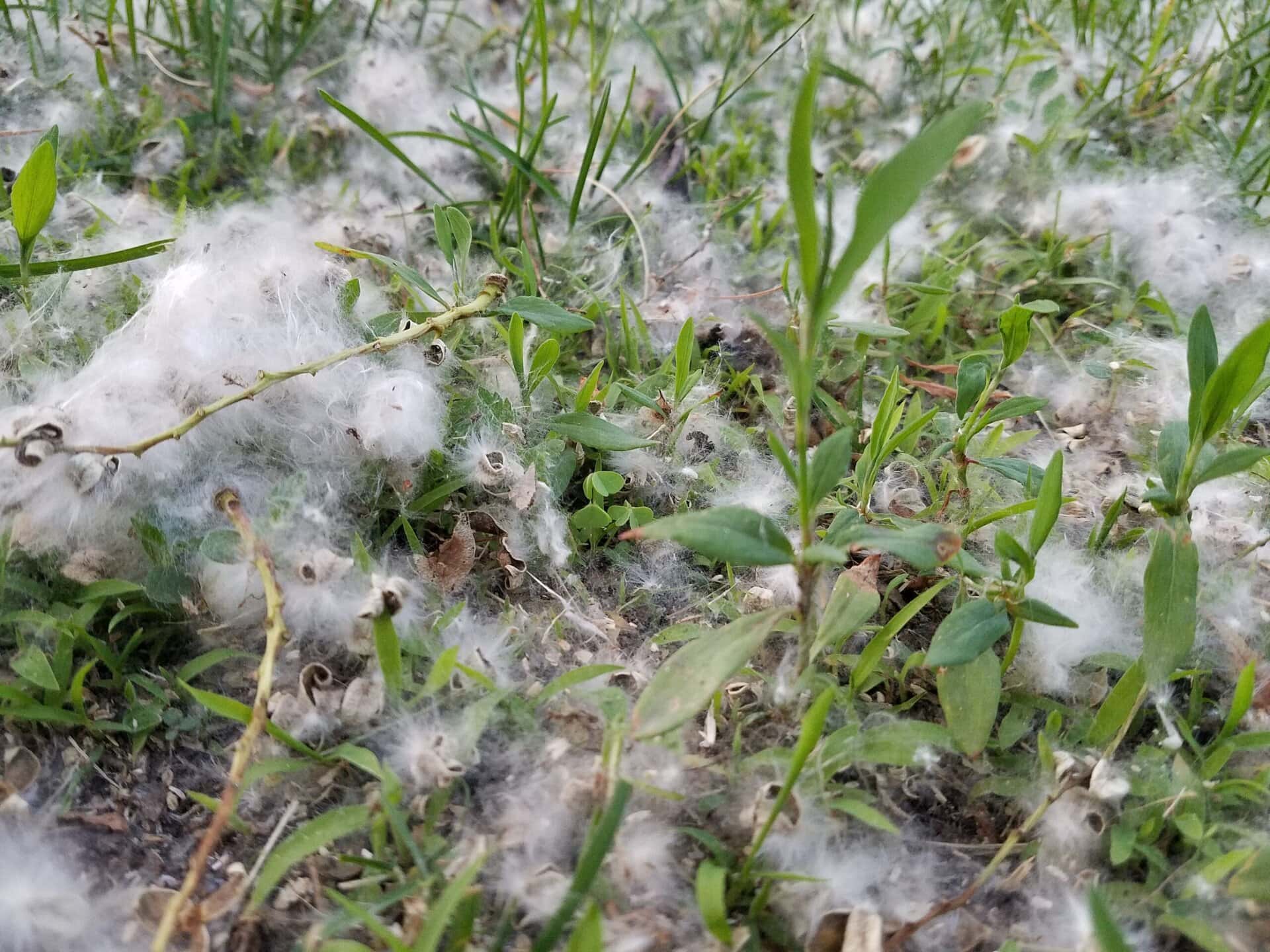
The Cottonwood’s downy seeds fell like snow. Drifting and swirling upon the air, some suspended momentarily as they sought the perfect landing place. Soon, they began to snag and accumulate. It was magical, slightly alarming, and a complete contrast to the heat wave that was upon us.
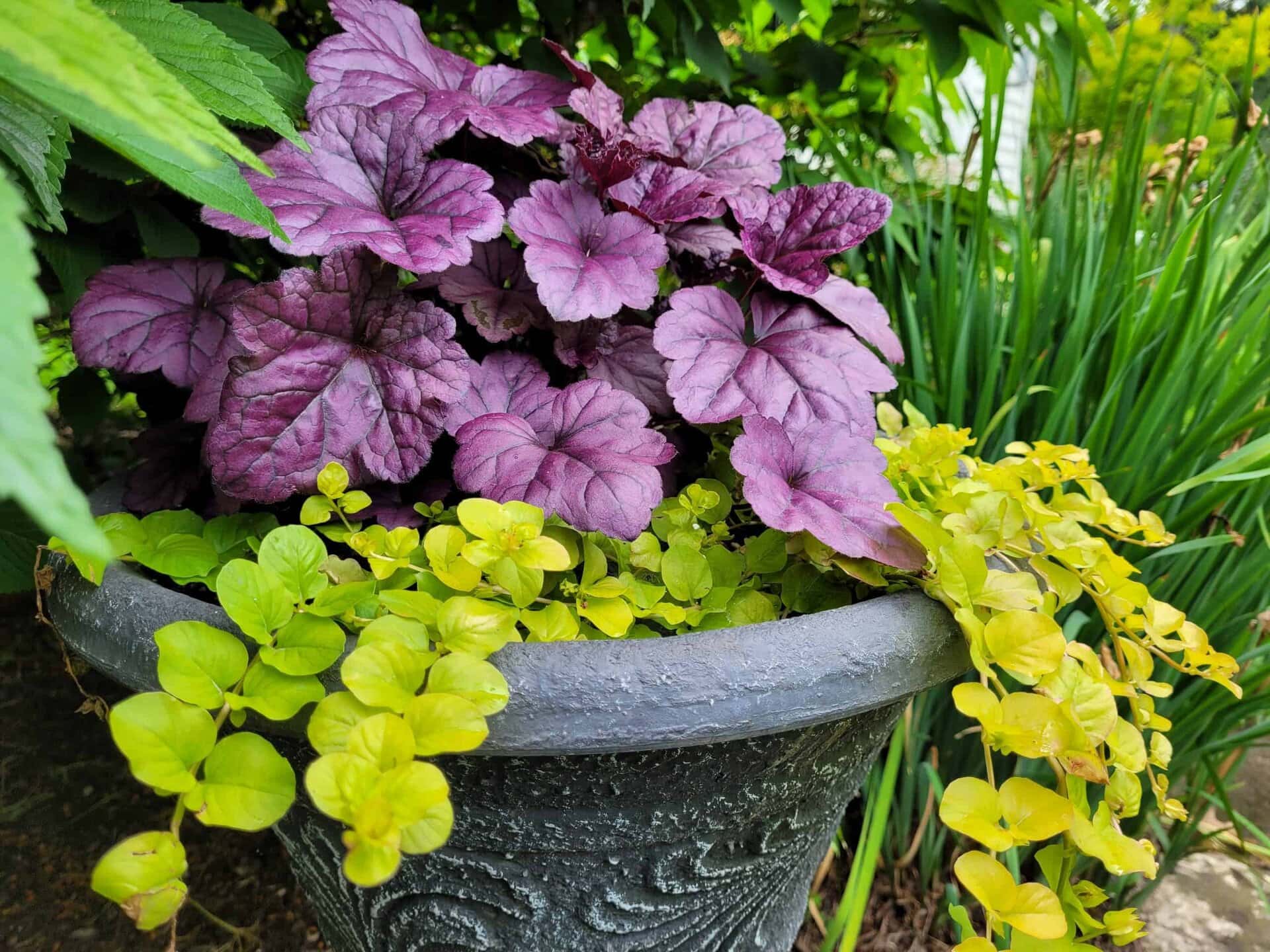
Contrast, in the landscape, is an important, and frequently overlooked element. Foliage, for example, can be as interesting and unique as any flower. Sure, there’s lots of green out there, but there are also plants that bear silvery, chartreuse, maroon and even apricot leaves or have a lacey, white overlay. Let’s not forget about our variegated friends that offer multiple colors. It doesn’t stop there. Sometimes the undersides of leaves can be completely different. When a gentle breeze or hardy wind sweeps through the landscape, an entirely unique color and feature is exposed.
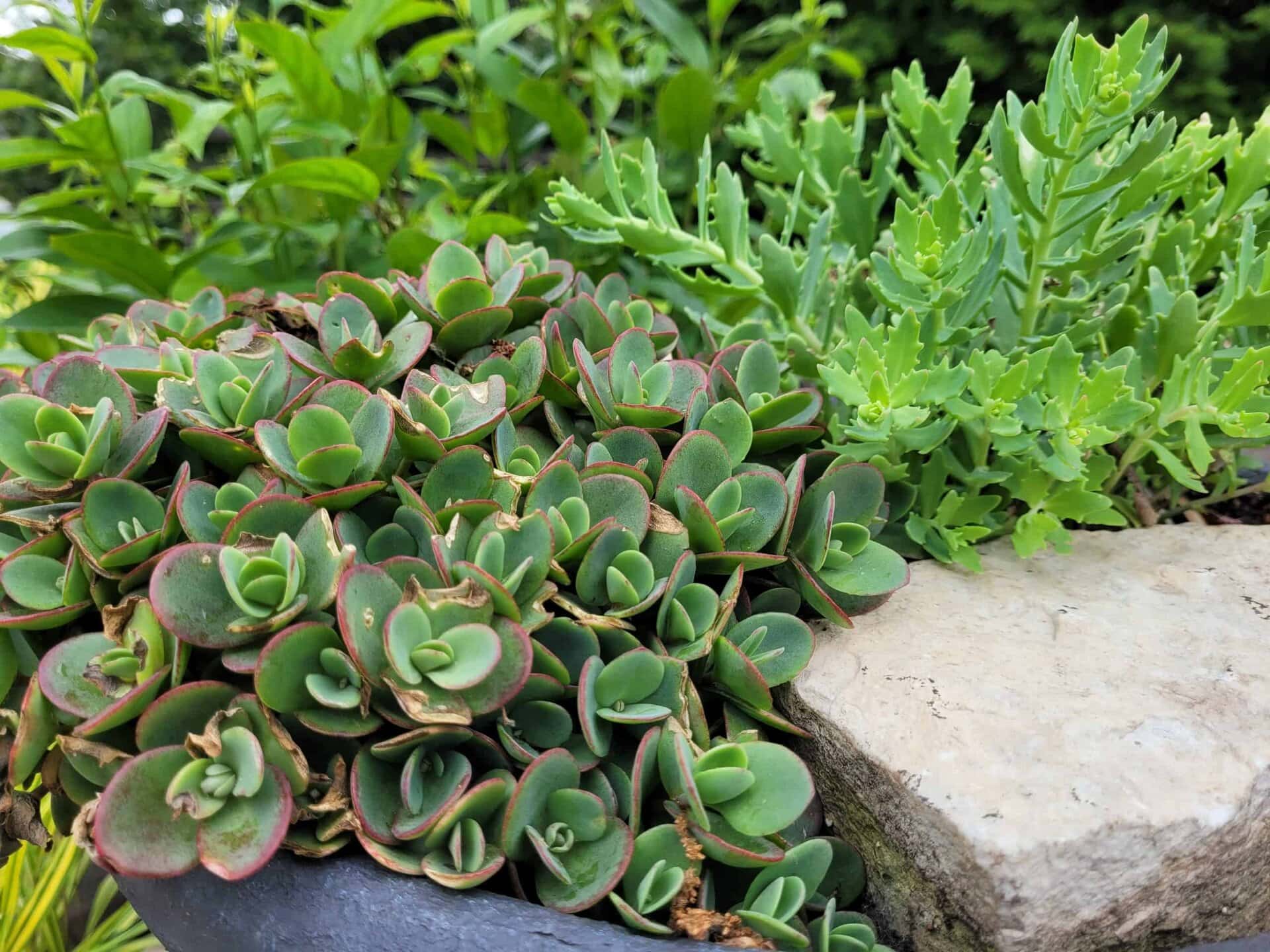
Contrast isn’t all about color either. Ever felt the fuzzy, velvety Lamb’s Ear, or the smooth, leathery leaf of a Succulent, or the feathery tufts of ornamental grass? Texture. It too can add to a plant’s overall character and pique your interest and imagination in the landscape.
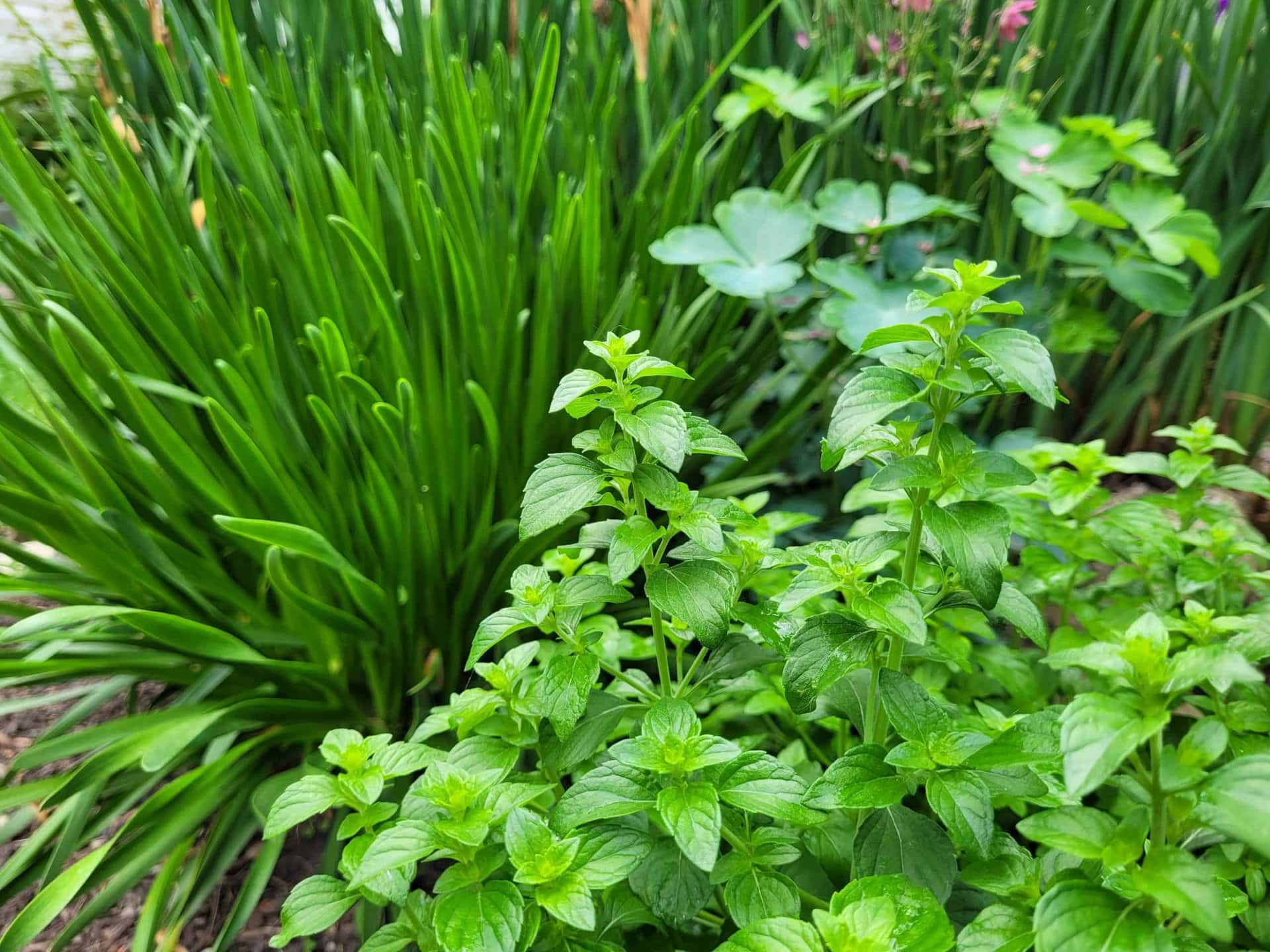
As with color and texture, shape and size are yet other defining factors. Plants bear all different sorts of leaves, from small heart-shaped to large ovals, grass-like and everything in between. Foliage should always be a factor when choosing plants. Don’t simply write them off as second string players. After all, flowers only last so long, and we look to foliage to add life and interest to our landscapes.
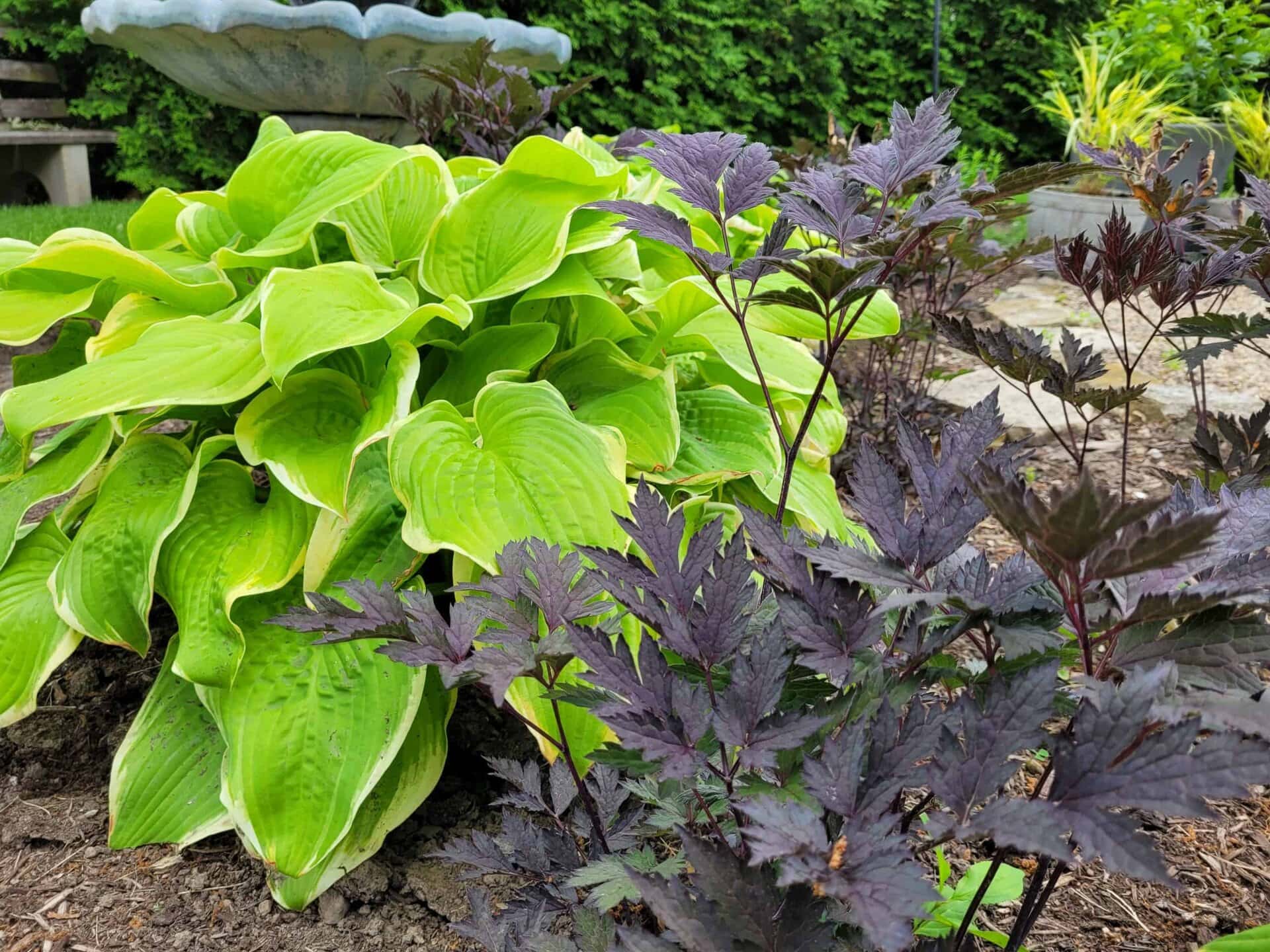
It’s important to see the plant’s individual characteristics, appreciate their nuances and how their details add to the overall landscape. It’s amazing how, through a simple shift in thinking, the landscape becomes a more diverse and beautiful place. Reach out to Sweeney’s, and we’ll help you create a landscape that contrasts and compliments. We proudly serve the communities of Villa Park, Elmhurst, Oakbrook, Oakbrook Terrace, Glen Ellyn, Lombard, Wood Dale, Itasca, and more!
Sweeney’s: A Plant Based Company
Plant of the Week
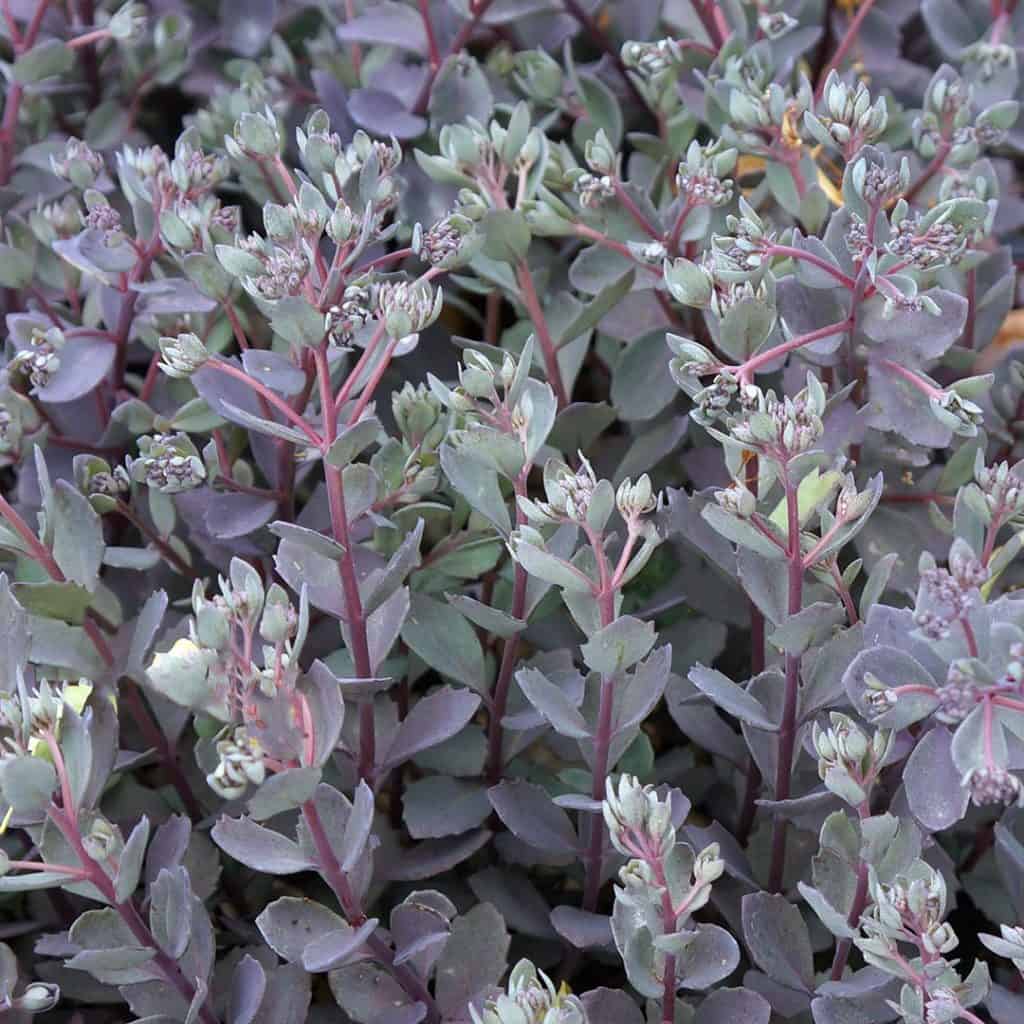
Sedum ‘Dazzleberry’
Compact, low growing, sedum with large, raspberry flowers that bloom in late Summer amongst striking, smoky, bluish-gray foliage. Prefers full sun and dry soil. Grows 6-8″ tall and 12-18″ wide. Attracts butterflies. Deer resistant.
“Whatever is in any way beautiful has its source of beauty in itself, and is complete in itself; praise forms no part of it.”
– Marcus Aurelius
Best wishes,
Kim Sweeney