
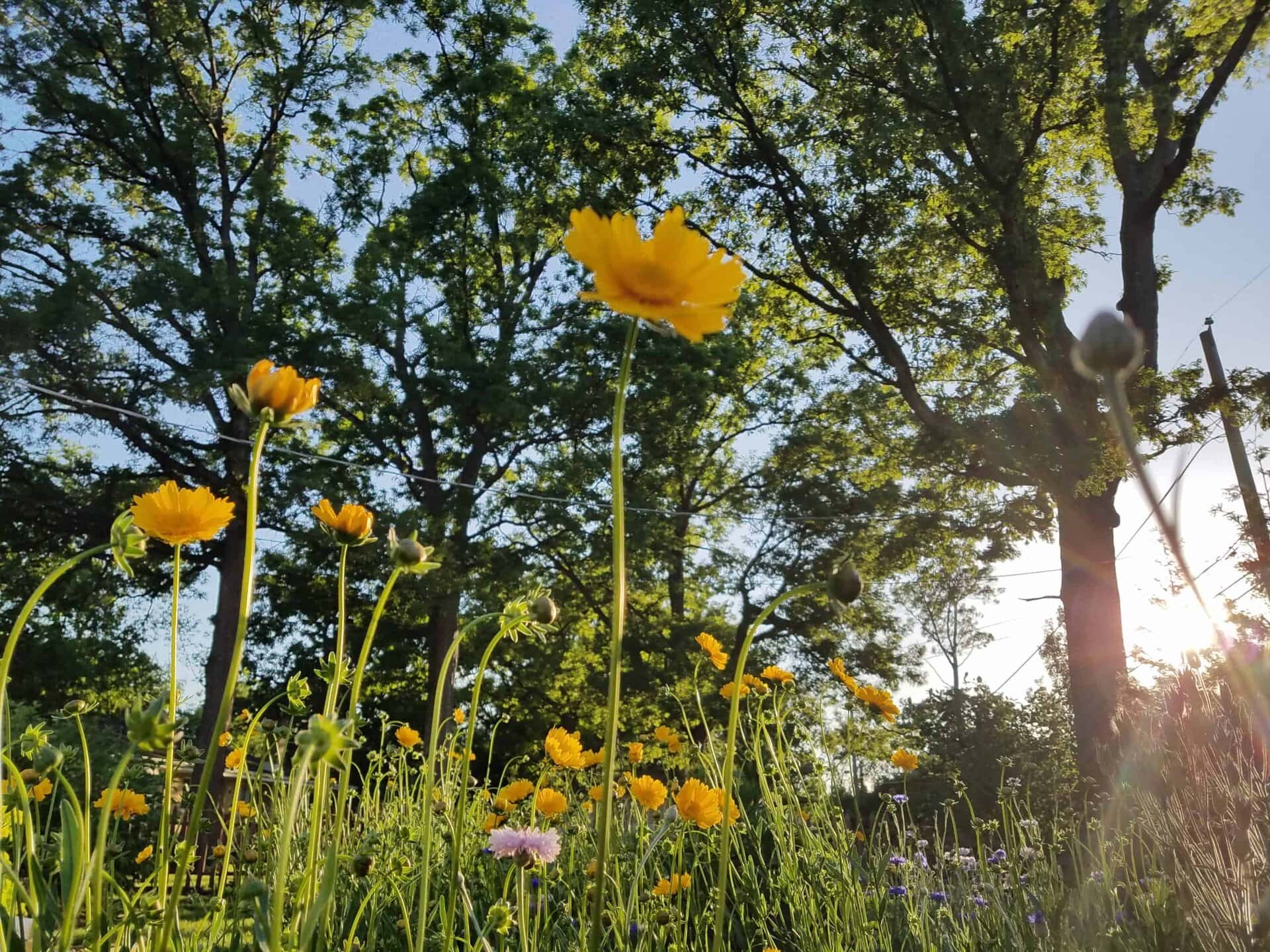
The sun bore down with great intensity, revealing every imperfection, flaw and anomaly. Like a great spotlight, she brought attention to our issues and exploited our weaknesses.
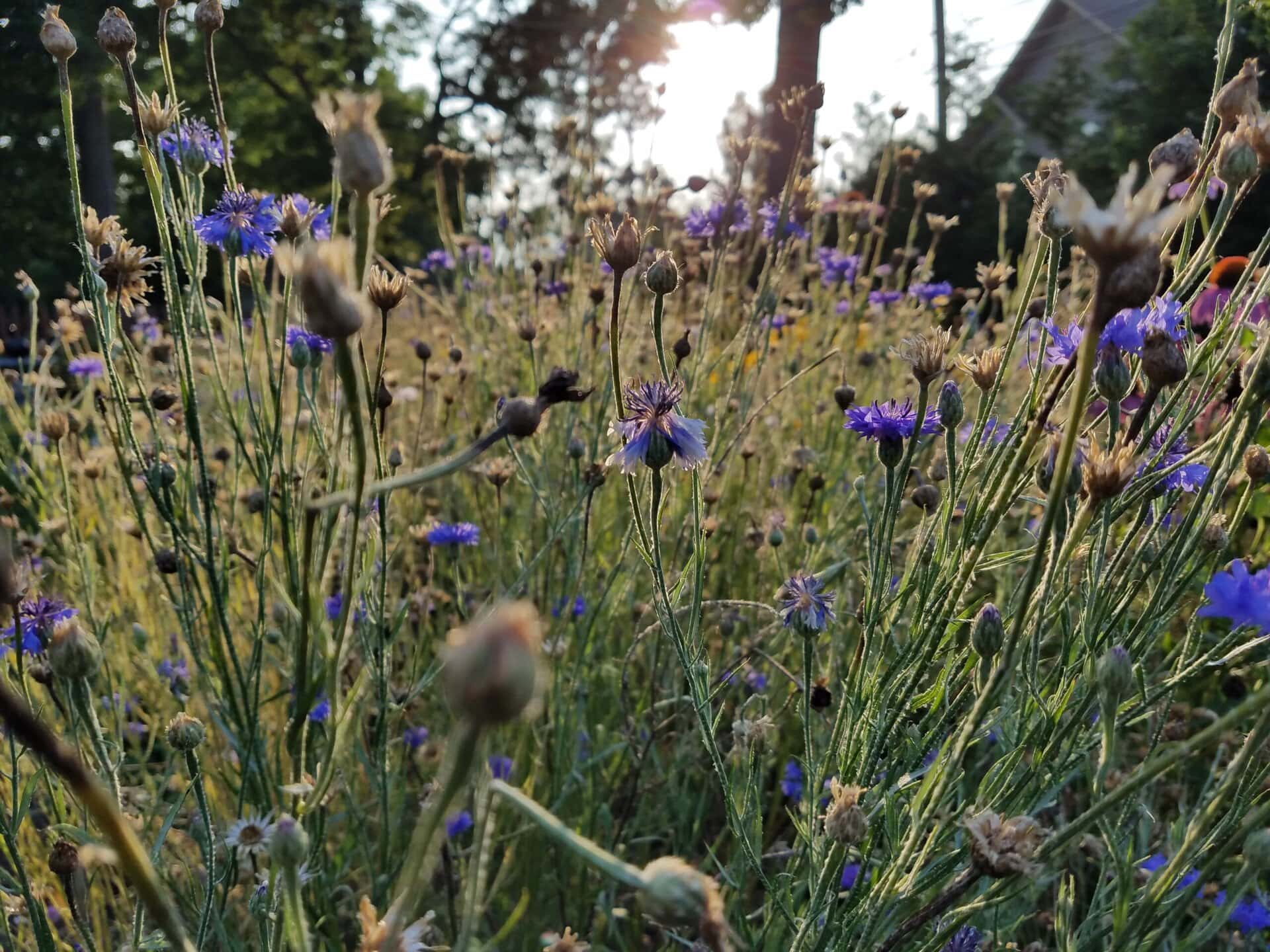
With the scant amount of rain we’ve received thus far, certain problems are becoming apparent, and it’s important we interpret the issues correctly in order to rectify them. Part of the process is simply paying attention and interpreting what our plants are trying to tell us.
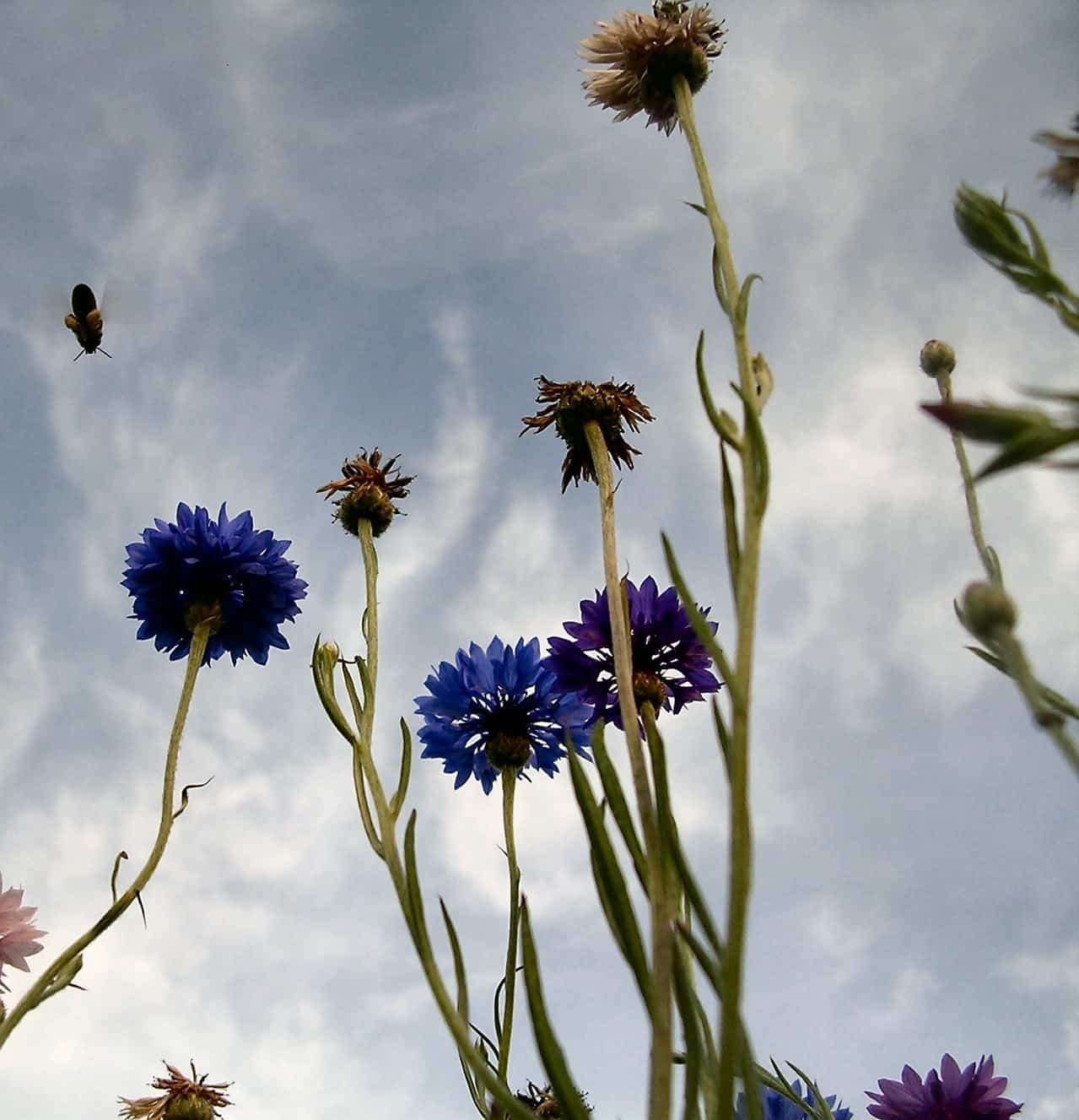
Insufficient Light
Plants that are not getting enough sunlight start to look leggy and spindly, with the internodal space (area between leaves) appearing unusually large. Some plants may look pale and sickly while others may die. To correct the problem, invite more sunlight, perhaps by pruning trees in the area and/or moving the plants to an area that receives more sun. You can always swap out the sun lovers for more shade tolerant plants.
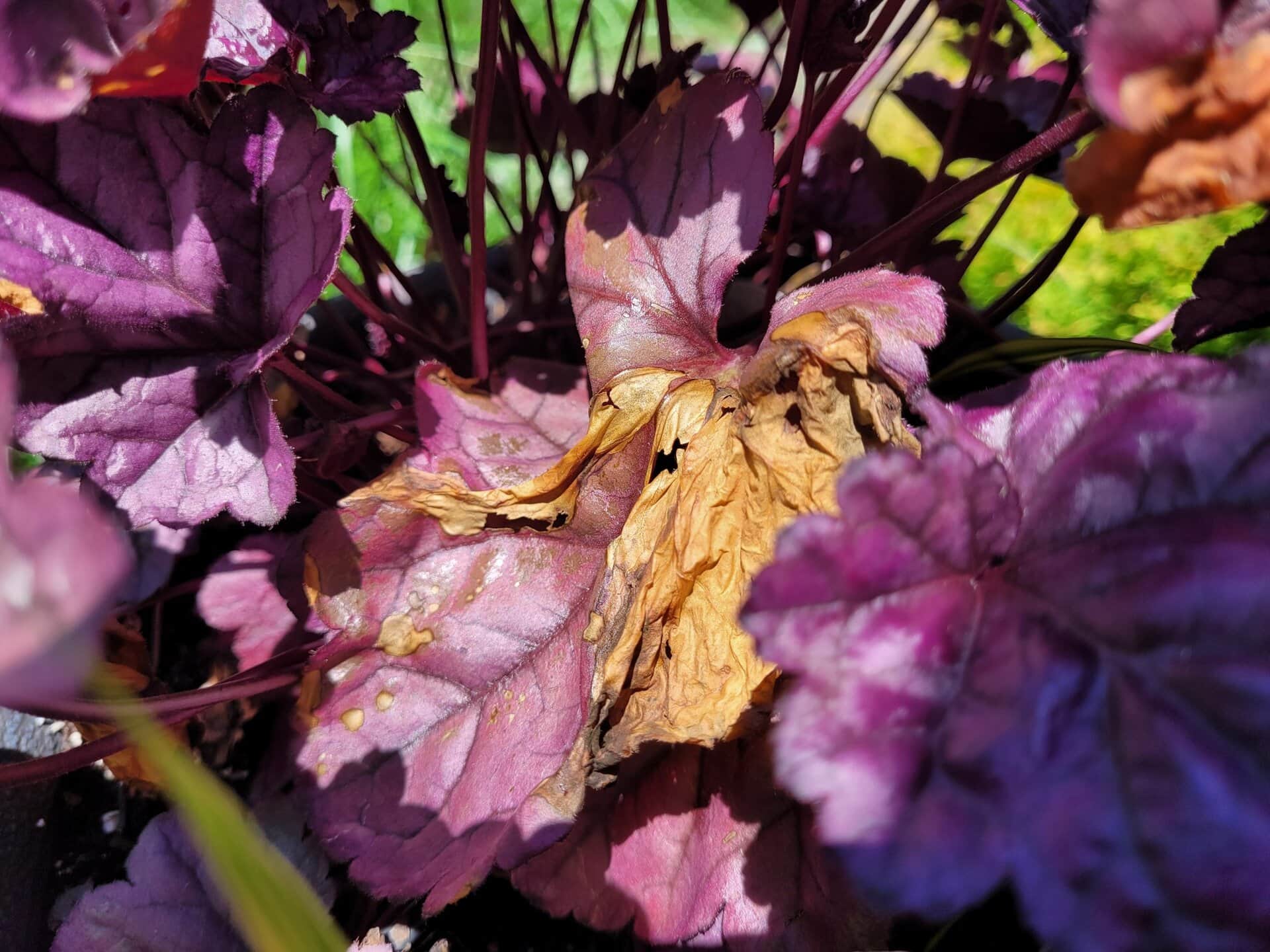
Poor Drainage
Some plants don’t mind having wet feet, while many prefer well-drained soil. The latter, in wet conditions, may yellow, brown, wilt and eventually die. To rectify, correct the drainage issue and/or look to plants that are tolerant of water.
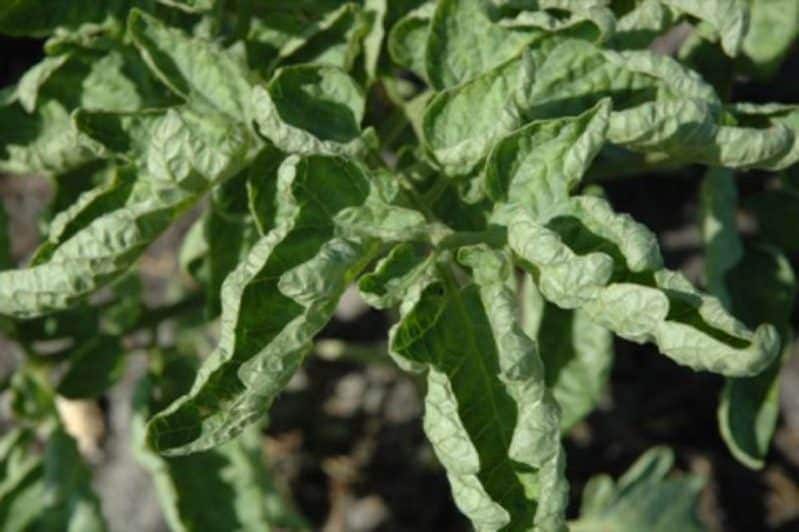
Chemical Damage
Herbicides and fertilizers can both cause discoloration, twisted, gnarled stems and foliage, brown spots, and death. Most likely, plants will need to be replaced, depending on the severity of the damage. Take great caution when spraying, and spray when winds are minimal, preferably still.
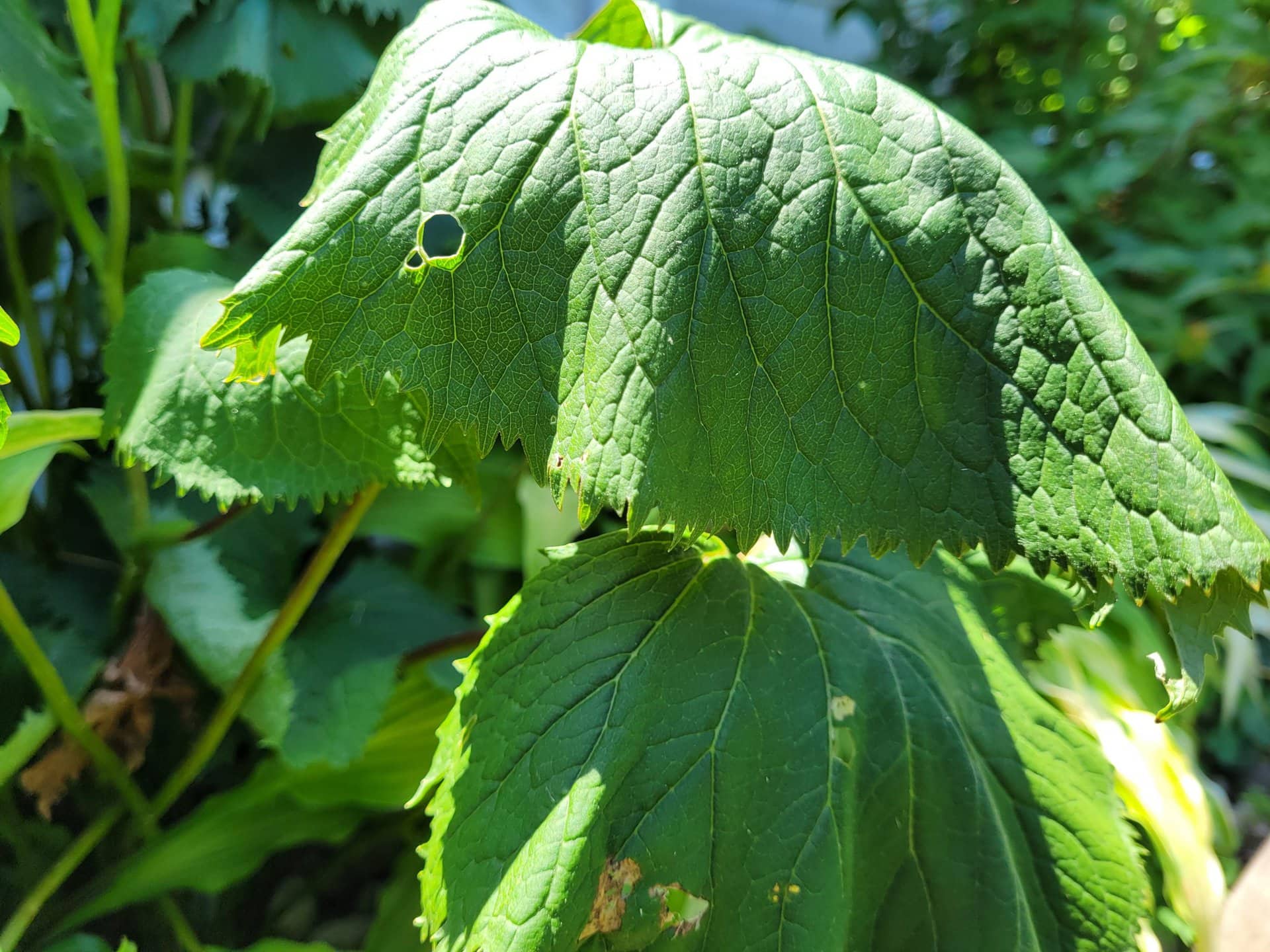
Excessive Light
Not all plants need lots of sunlight. In fact, some plants prefer partial to full shade. When these plants experience too much sun, they may look pale, scorched, withered, and burned. Consider moving these plants to a shadier area or replace them with sun-loving plants.
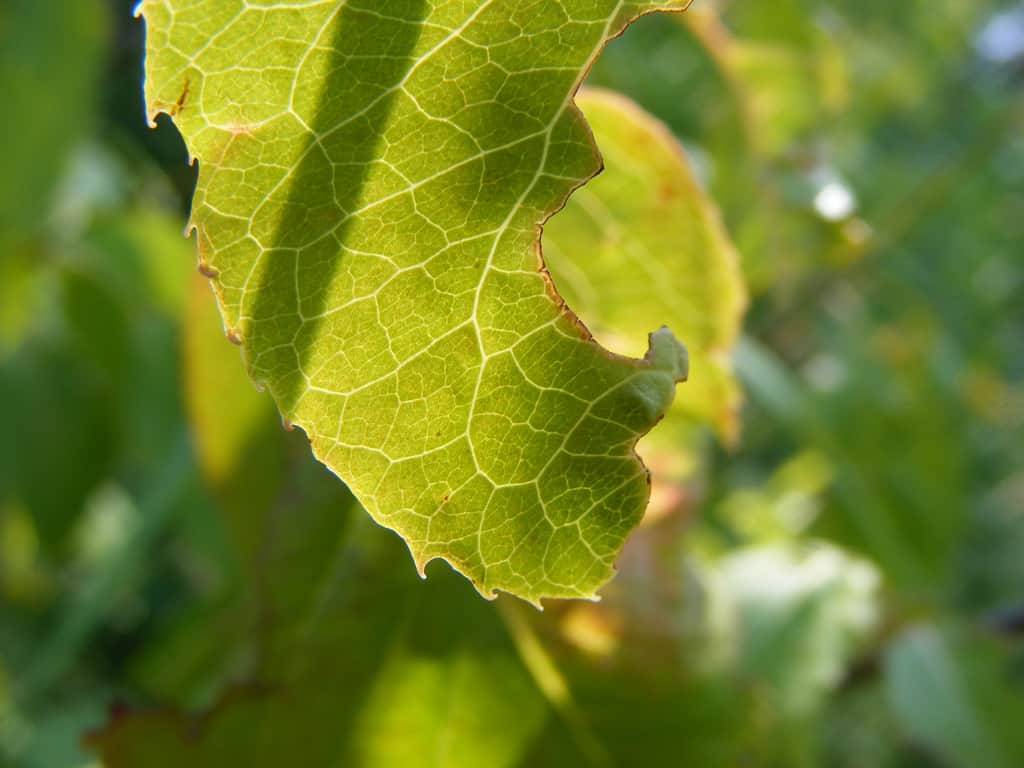
Infestation
Insects can cause a whole host of problems, resulting in twisted, distorted foliage, holes, browning, bumps, discoloration, streaks, mottling, etc., and sometimes death. Some plants are known to have particular insect issues, so treat accordingly. When in doubt, do a little research or reach out to Sweeney’s. We’ll help you pinpoint the culprit and suggest a treatment.
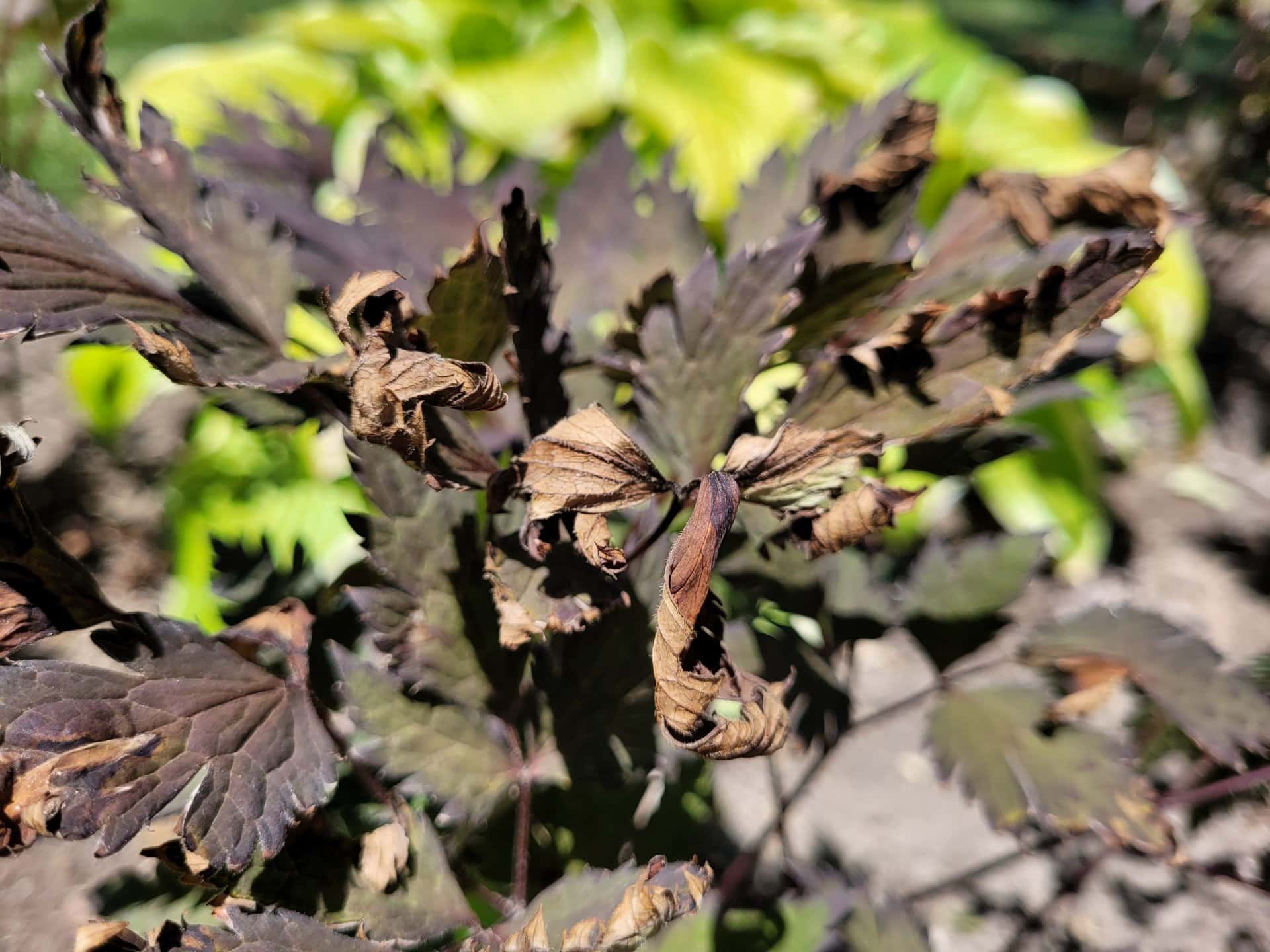
Drought
Drought stricken plants may warp, wither, brown and develop brown tips and yellowing leaves. Water accordingly to resolve.
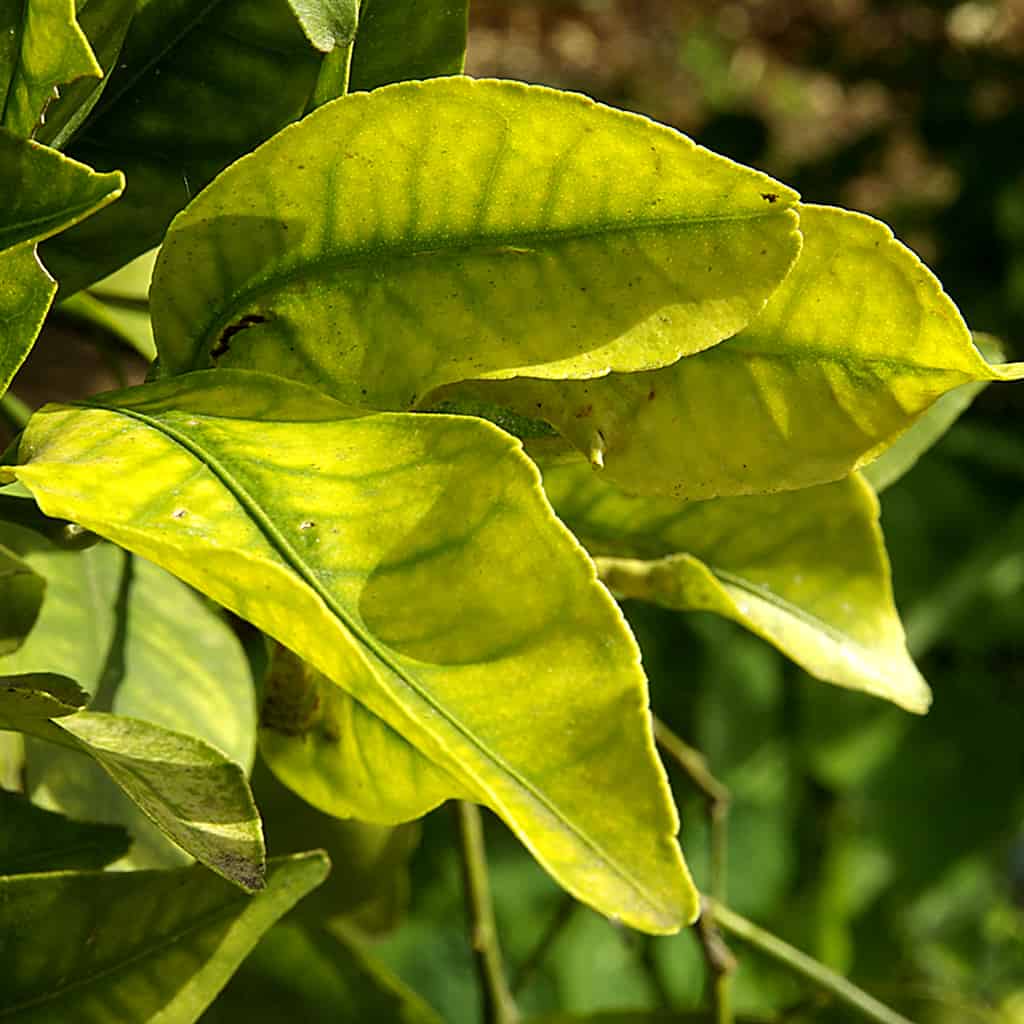
Nutrient Deficiencies
Plants may manifest nutrient deficiencies with yellow veins and/or pale leaves. Fertilize accordingly per the plant’s specific requirements.
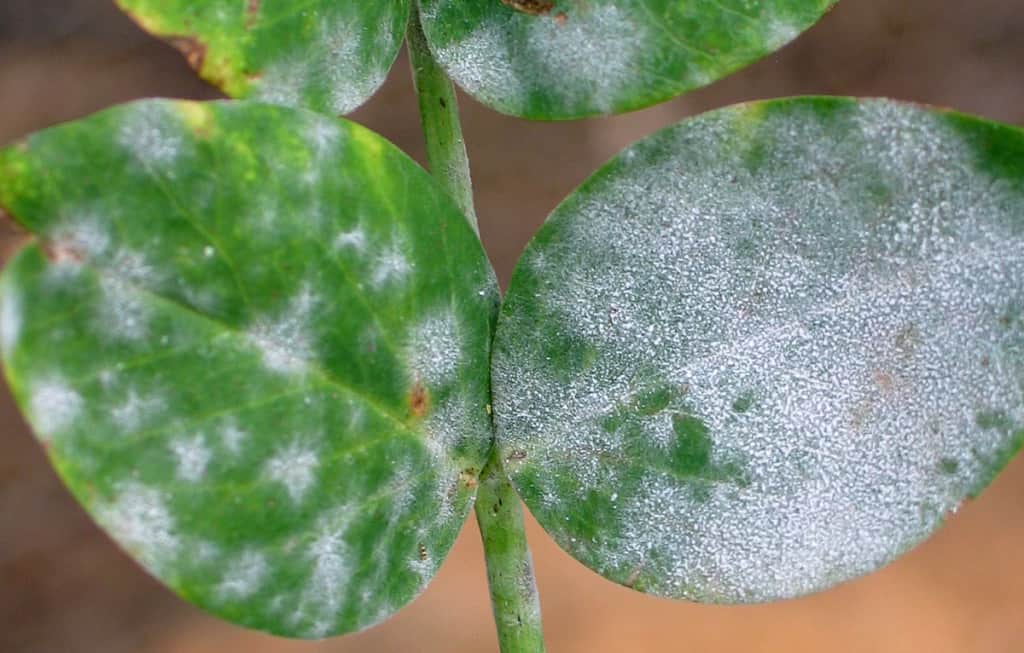
Fungal Infections
Plants may discolor or have spotted or mildewy leaves with a powdery film. Treat the fungus accordingly with fungicides.
If we just stop, look and listen, we can learn a lot from our plants. They are constantly trying to communicate with us, so it’s time we enter the conversation as active and empathetic partners. Feel free to reach out to Sweeney’s, and we’ll help get the conversation started. We proudly serve the communities of Villa Park, Elmhurst, Oakbrook, Oakbrook Terrace, Glen Ellyn, Lombard, Wood Dale, Itasca, and more!
Sweeney’s: A Plant Based Company
Plant of the Week
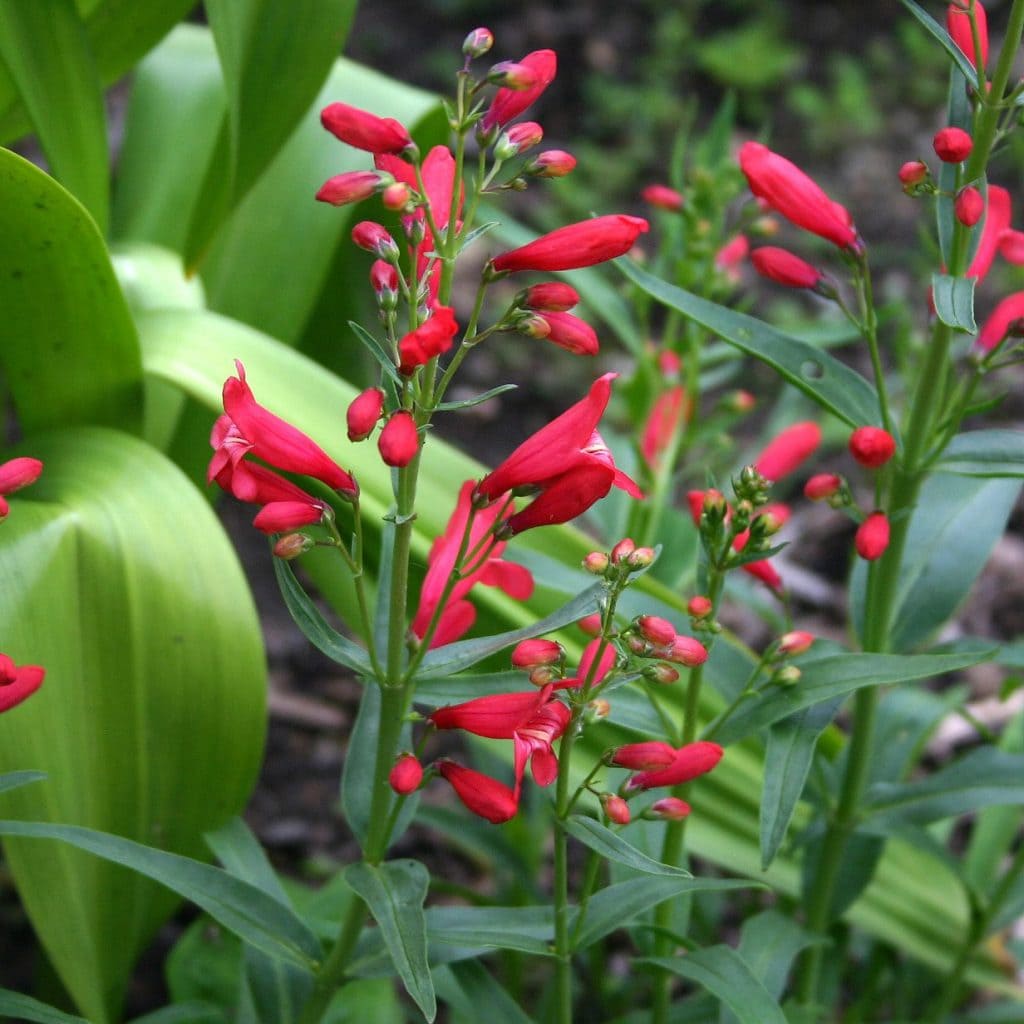
Red Riding Hood Beardtongue
Bright red hooded flowers bloom on tall, upright stems amongst glossy green foliage June – September. Prefers full sun and dry soil. Grows 24-36″ tall and 18-24″ wide. Deer resistant. Drought tolerant.
“Plants show just the same sorts of complex and sophisticated behaviors that humans do, from language, to sentience, to intelligence, to the creation of cities, to cooperation in groups, to complex adaptation to their environment, to protection of offspring, to species memory that is handed down through the generations.”
―Stephen Harrod Buhner
Best wishes,
Kim Sweeney