
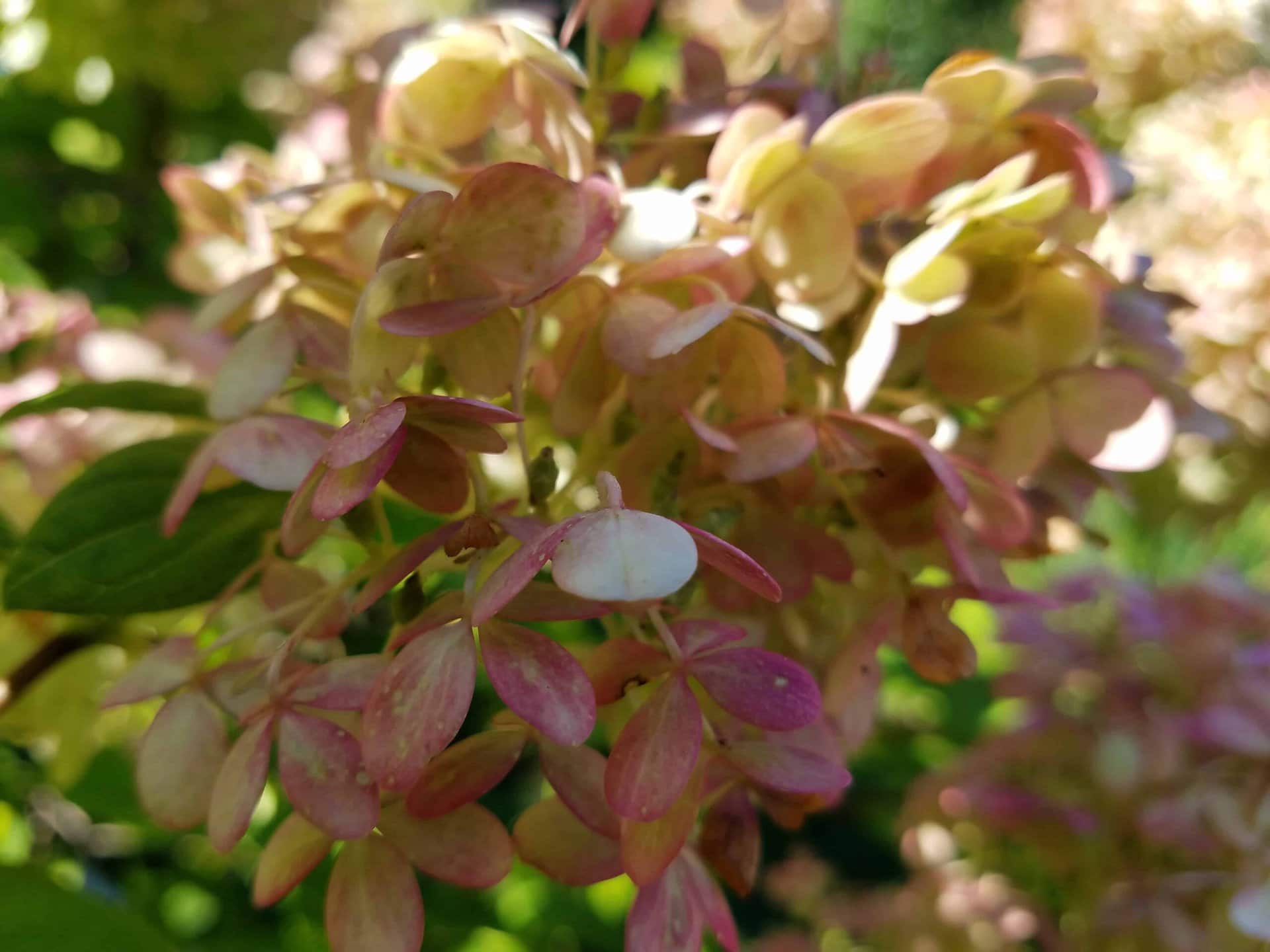
The mellow, ripened sun struck the match that would soon set the landscape ablaze in brilliant umber, vermilion, scarlet and smoky plum. The verdant greens of Summer would soon smolder in the deep, rich tones of Autumn’s palette, and the show is about to start.
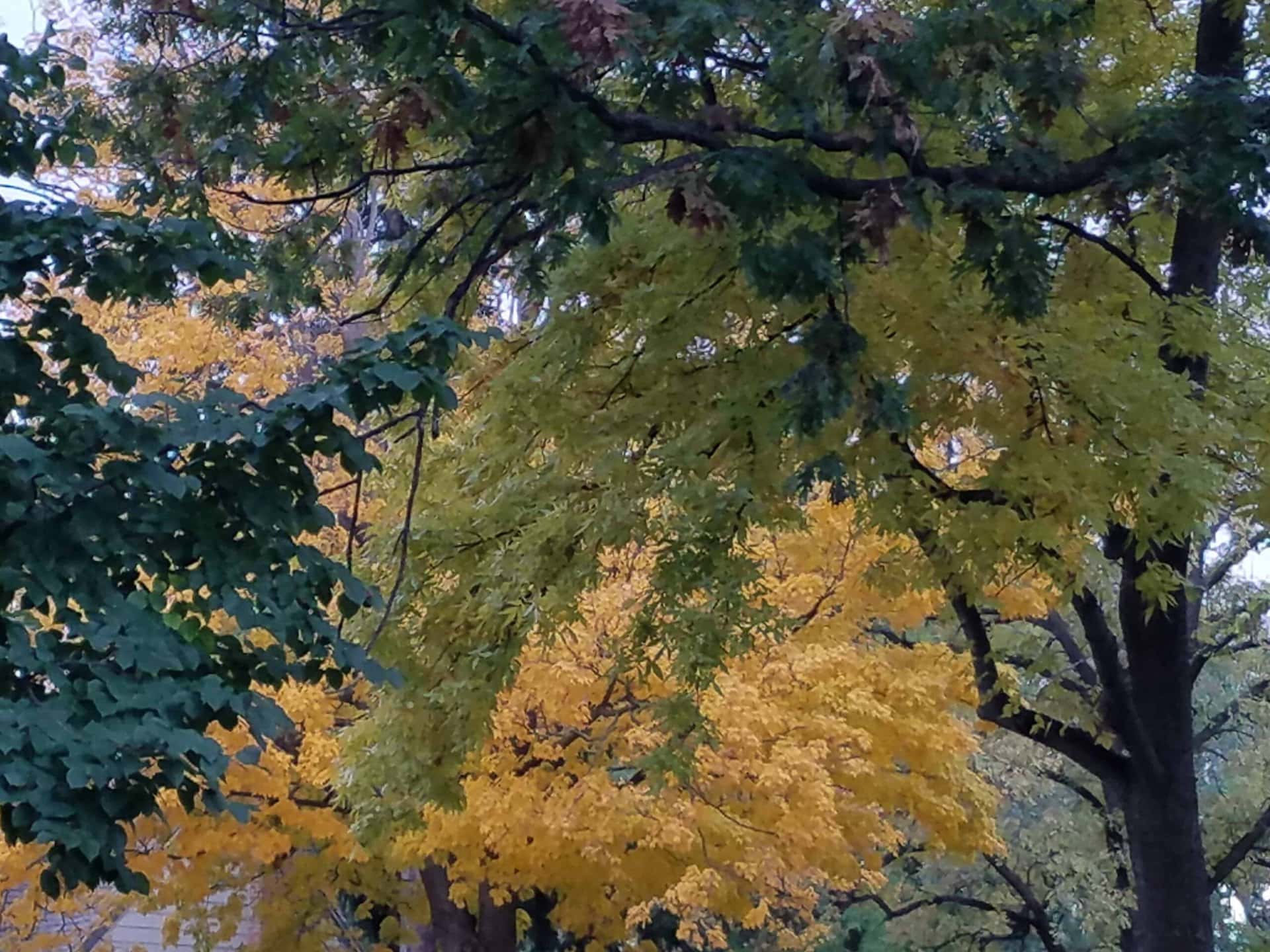
As trees prepare for Winter, it’s important they employ protective measures in order to survive Winter’s wrath. Because deciduous foliage is particularly vulnerable, and the cells within would ultimately freeze in frigid temperatures, the tree must seal off and shed its leaves to ensure its survival. But how does it know? And why does the foliage change colors in the process?
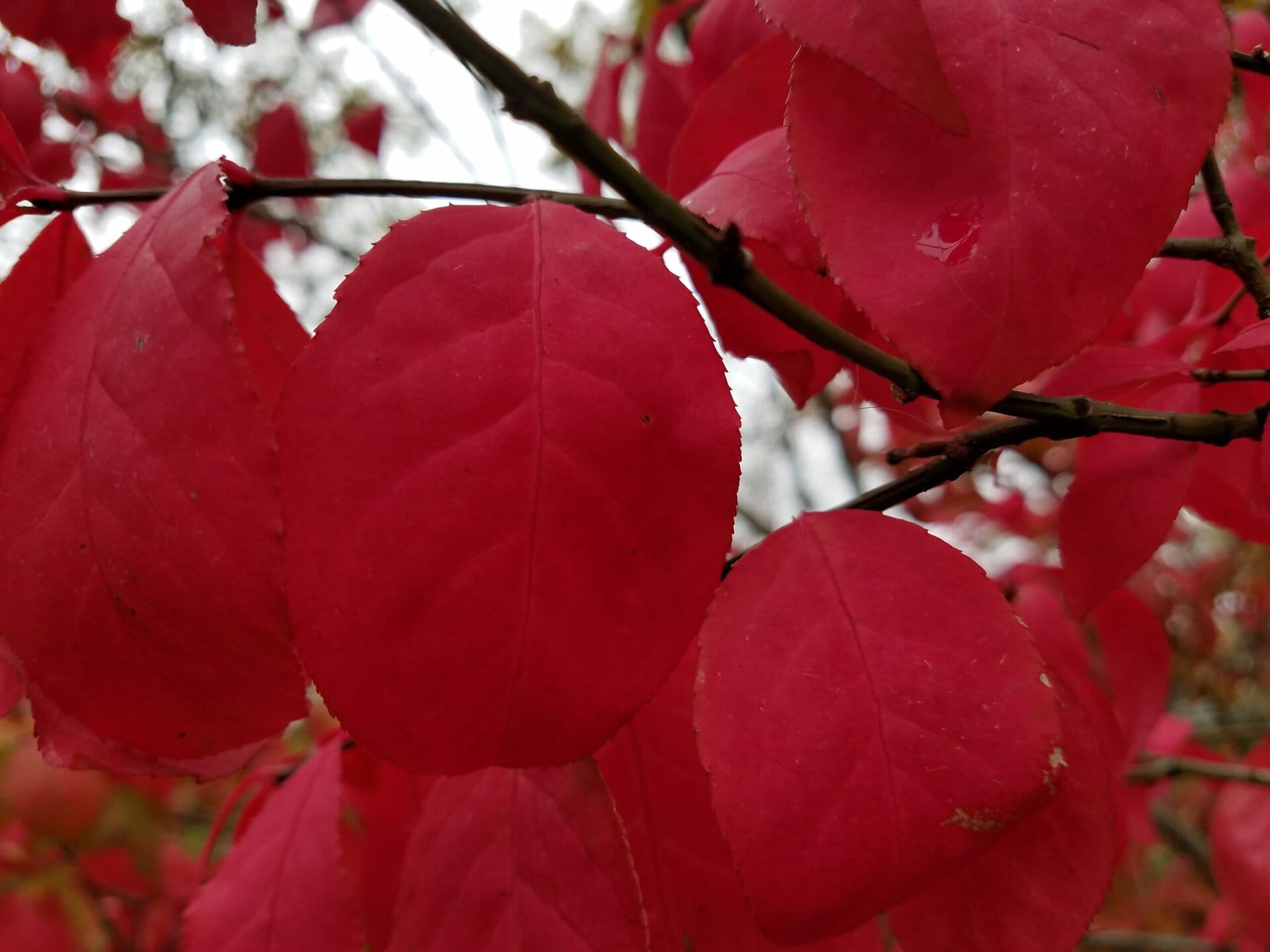
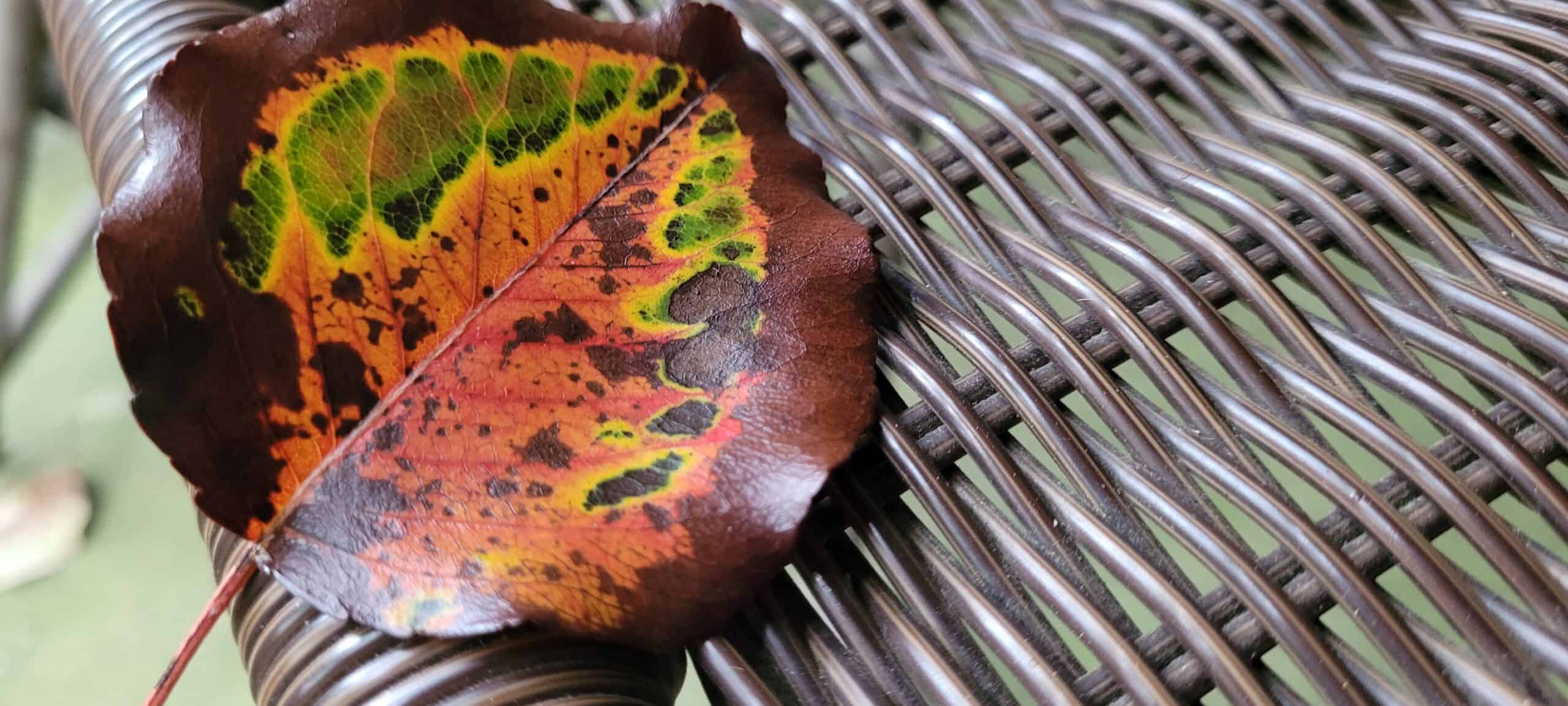
Cooler temperatures and shorter days (less sunlight) provide the catalyst for leaves to stop producing chlorophyll, the classic green pigment. As less chlorophyll is being produced, the leaf’s other pigments begin to leach through. These other pigments, like yellow, orange, red, and purple are present in the leaves at all times. Carotene and xanthophyll are present in the foliage all year and produce a yellow pigment. Other trees also produce anthcyanins which gives foliage its red and purple pigments that mask the carotene and xanthoyphyll’s yellow pigment. Sunny days and cooler nights fuel the pigment’s intensity because the sugar content of the foliage increases. That’s why you may see brighter colored red, purple, or orange leaves on the outside of the tree and more yellow toned leaves towards the inside. It’s almost as if the tree’s true colors are finally able to shine and take center stage.
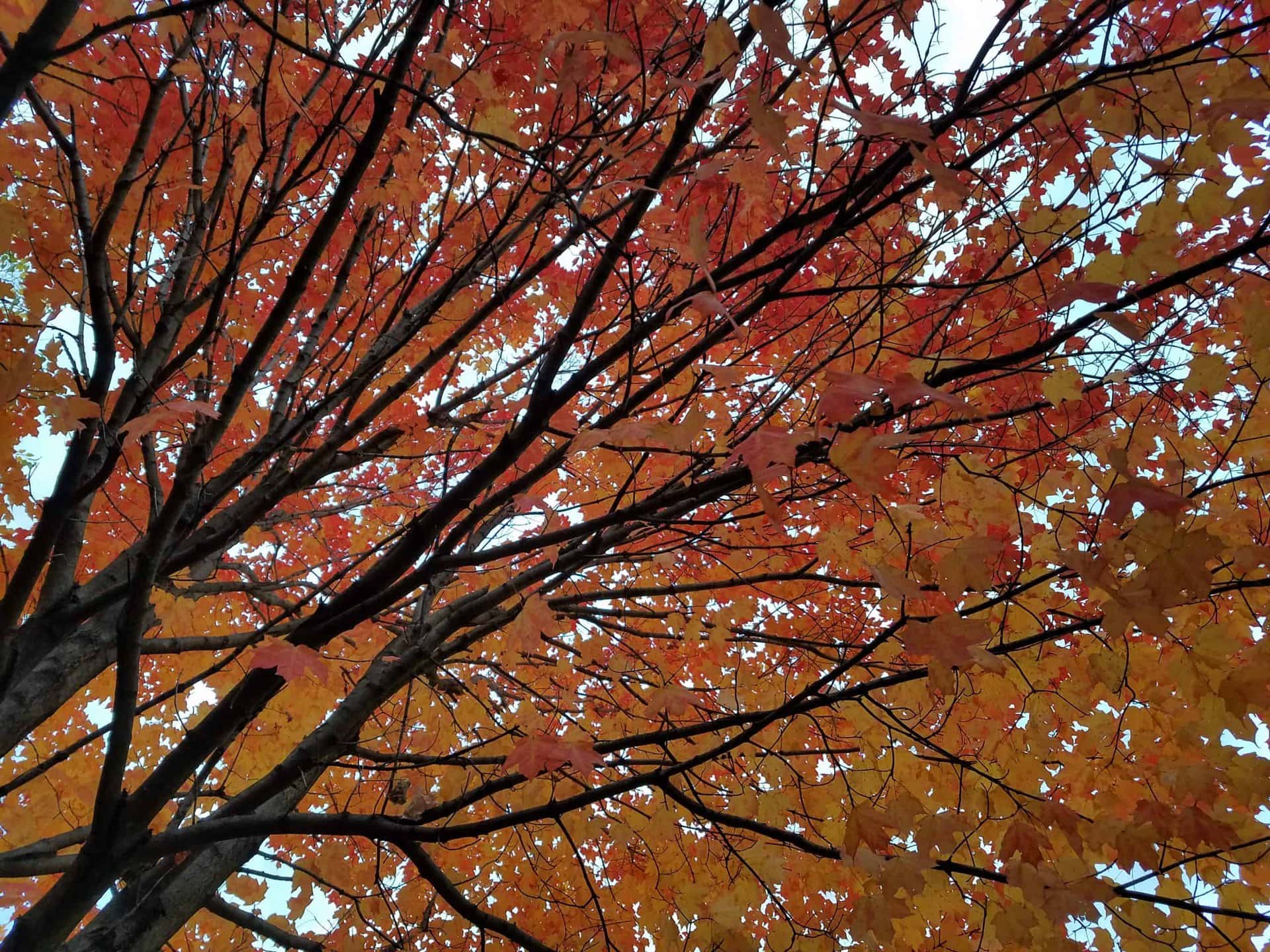 As we witness the miracle of Fall, is it safe to say we are finally seeing nature’s true colors? As trees go into survival mode, conserving energy for the cold, dark winter ahead, are they finally able to reveal themselves and flaunt their individuality? Sort of. I mean, scientifically speaking, they don’t exactly spell it out that way, but left to poetic interpretation, it sure seems that way, and there’s something terribly romantic and spirited about the whole process. Nature, my friends, is a wondrous thing. But you already knew that.
 As the leaves begin to change and fall, and acorns and seasonal debris scatter across the lawn, be sure to contact Sweeney’s to schedule your Fall Clean Up today!
Plant of the Week
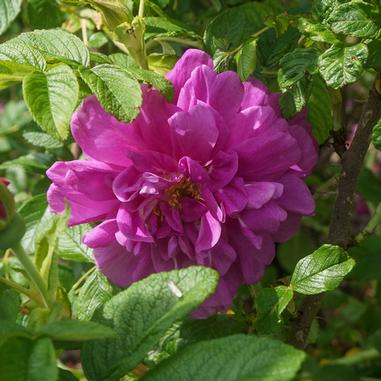
Hansa Rose
Fragrant, soft magenta flowers bloom June – November amongst glossy, green foliage that turns a lovely rich gold in Fall. Prefers full sun and moist, well-drained soil. Grows 4-6′ tall and 3-4′ wide. Salt tolerant. Deer resistant.
“Now Autumn’s fire burns slowly along the woods and day by day the dead leaves fall and melt.”
-William Allingham
Best wishes,
Kim Sweeney